Porcelain veneers in Leicester
Bespoke, hand-crafted porcelain veneers that transform your smile without losing what makes it yours. Subtle when you want subtle, striking when you want striking.
Veneers with CEREC
Ex-director on our team
Finance over 12 months
-1920.webp)
What you're actually buying isn't teeth
Most people don't ring us about a tooth. They ring because of a photo. Someone tags them in a group shot and the first thing they look for is their own mouth - and there it is again, the closed-lip smile they've been doing since their twenties without really deciding to.
What patients tell us afterwards is rarely about the porcelain. It's about what stops happening:
- Laughing in photos without checking them first
- Getting through a meeting without thinking about your mouth once
- Video calls where you're actually listening, not watching yourself
Veneers are a cosmetic treatment, but the reason people are in the chair almost never is. It's the quiet, daily cost of not liking something about yourself - and how much lighter it feels once it's gone.
Smile design, not just dentistry
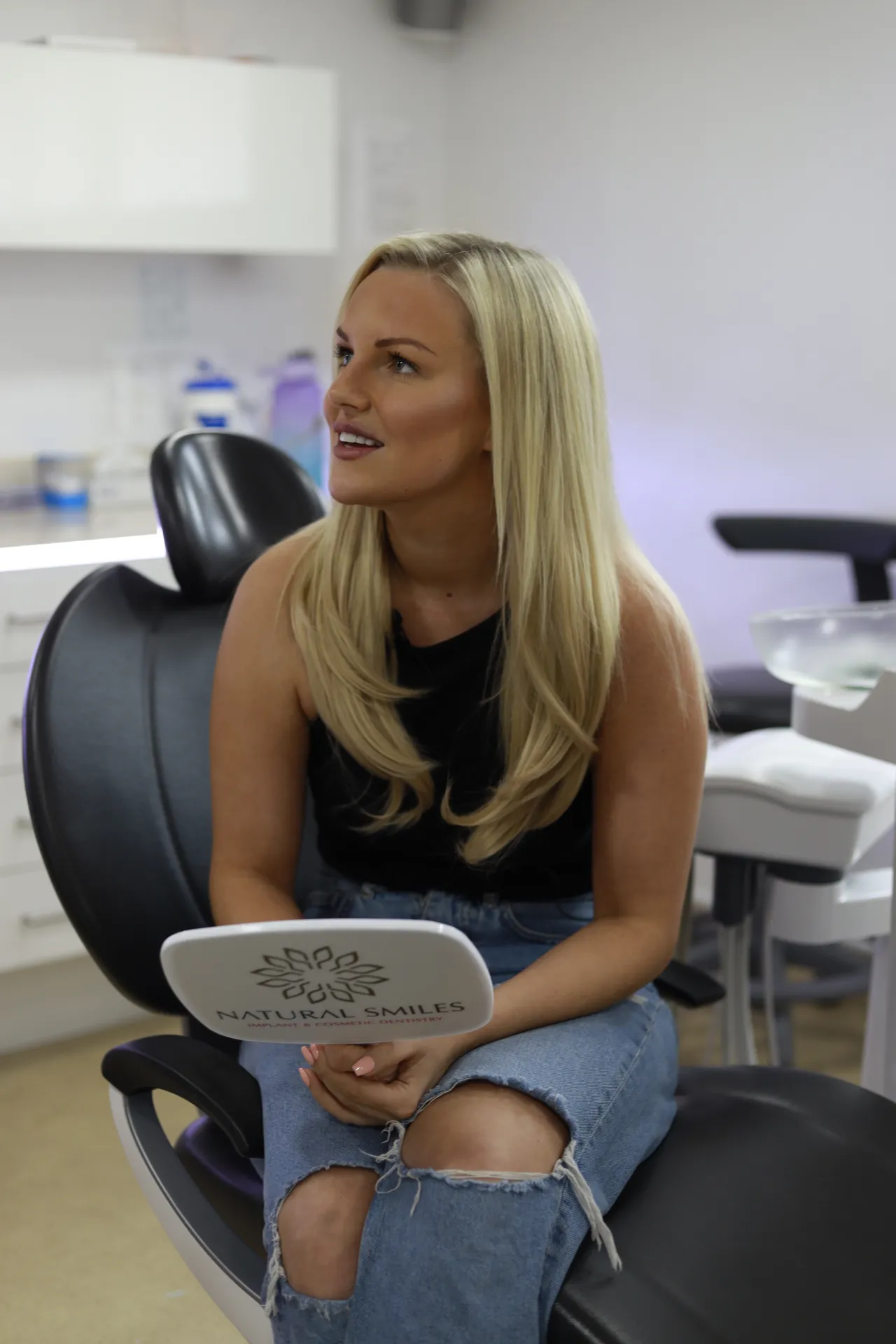
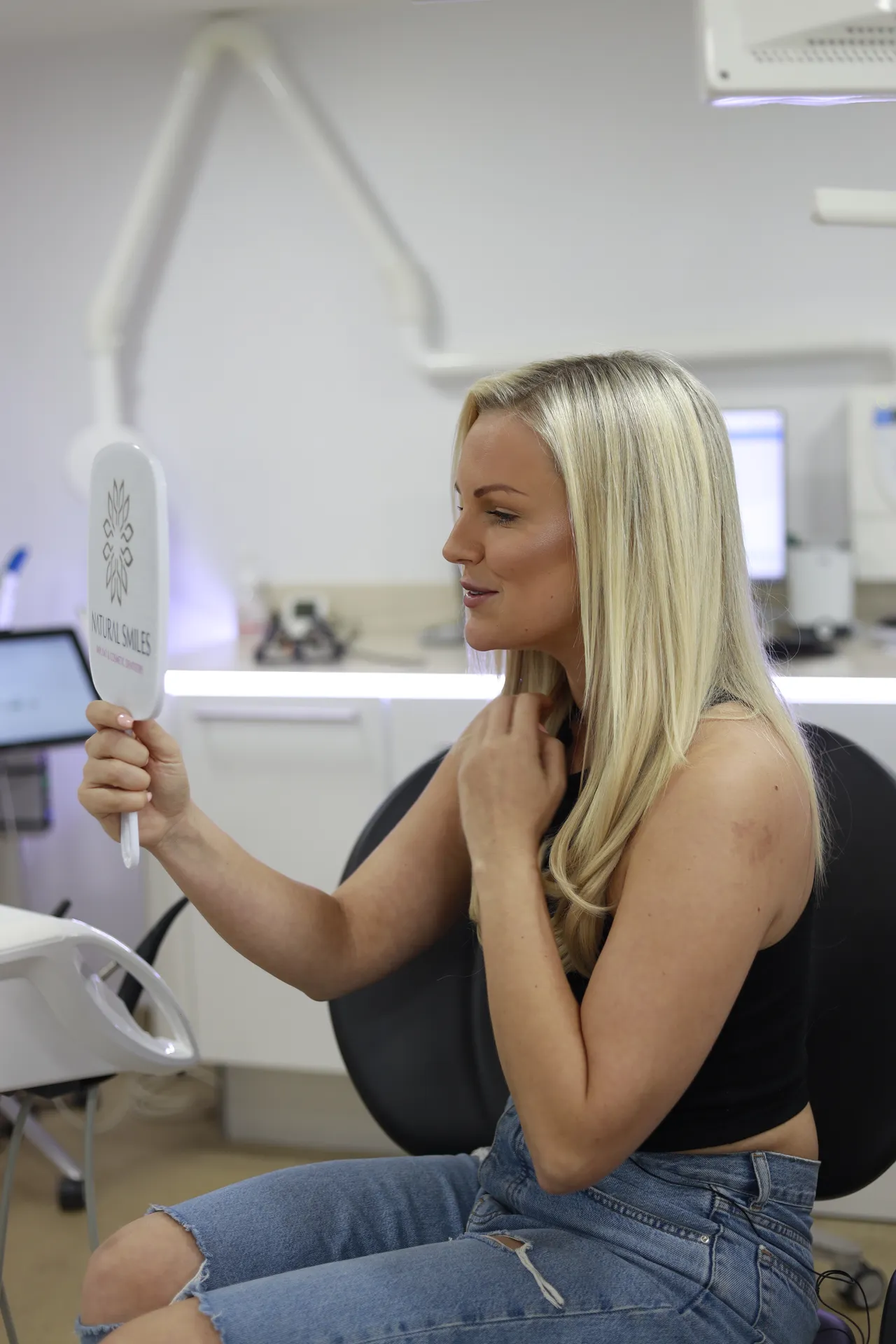
A great set of veneers isn't about chasing a Hollywood look or fitting some generic template. It's about understanding the proportions of your face, the shape of your lips when you talk, the way light hits your teeth when you laugh - and then crafting something that fits all of it. That's what we do at Natural Smiles. Every veneer case starts with a conversation about what you actually want, and a plan that's built around you.


Trusted by our patients

After the first call and consultation I felt instantly reassured that I'd chosen the right place. The receptionists were really great and my dentist Dr Anmol Bal gave me confidence that I'd get the results I was after. I've now had two Porcelain Veneers fitted by Anmol and they look incredible! My teeth look completely natural as requested and the veneers feel really strong. I'd highly recommend this place.

What are porcelain veneers?
Porcelain veneers are thin, custom-made shells of high-quality dental ceramic, bonded to the front surface of your teeth. They can change the colour, shape, length and alignment of your teeth - often dramatically - while preserving the structure of the natural tooth underneath.
Done well, they're virtually indistinguishable from natural teeth. The porcelain reflects light just like real enamel, the edges blend perfectly into your gum line, and the surface texture mimics the subtle imperfections of natural teeth (because perfectly flat teeth look fake).
Real stories from patients who wanted to feel like themselves again
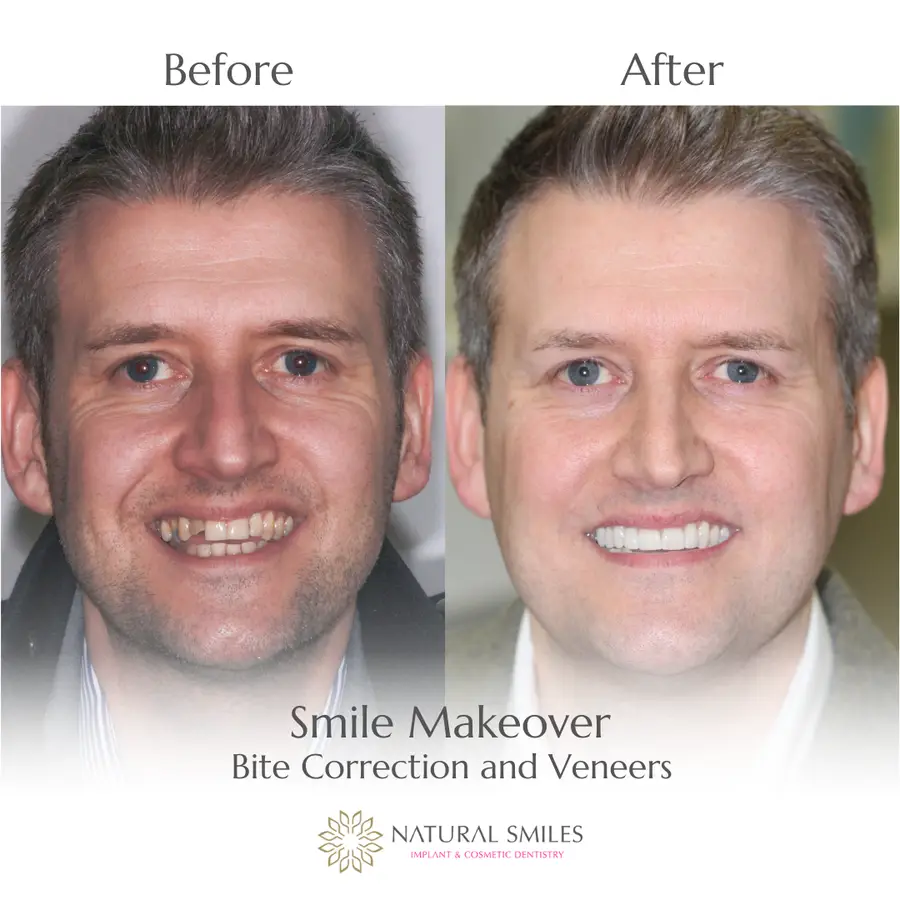
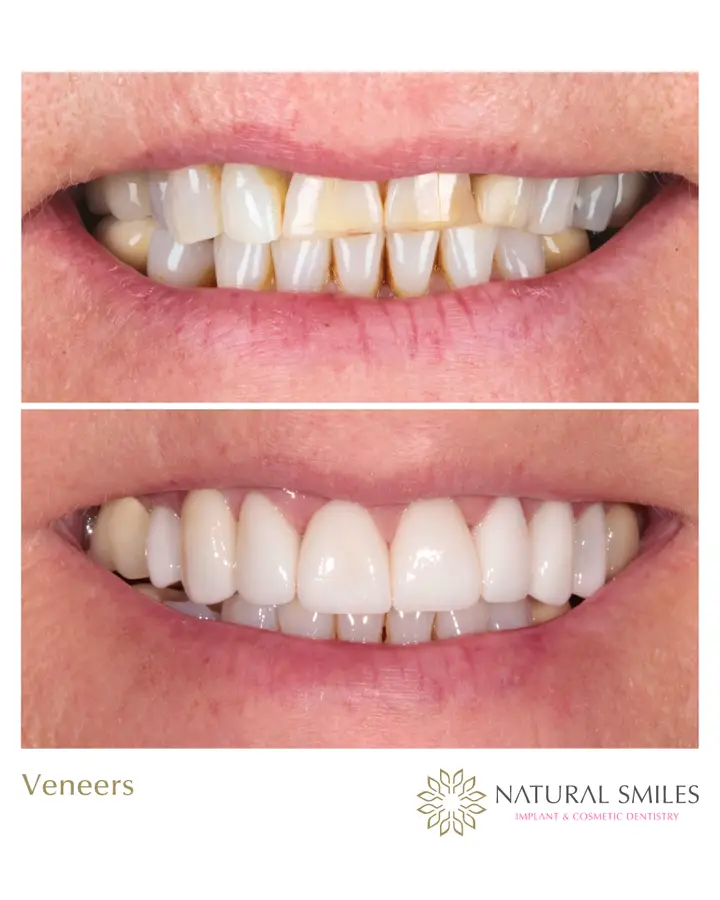
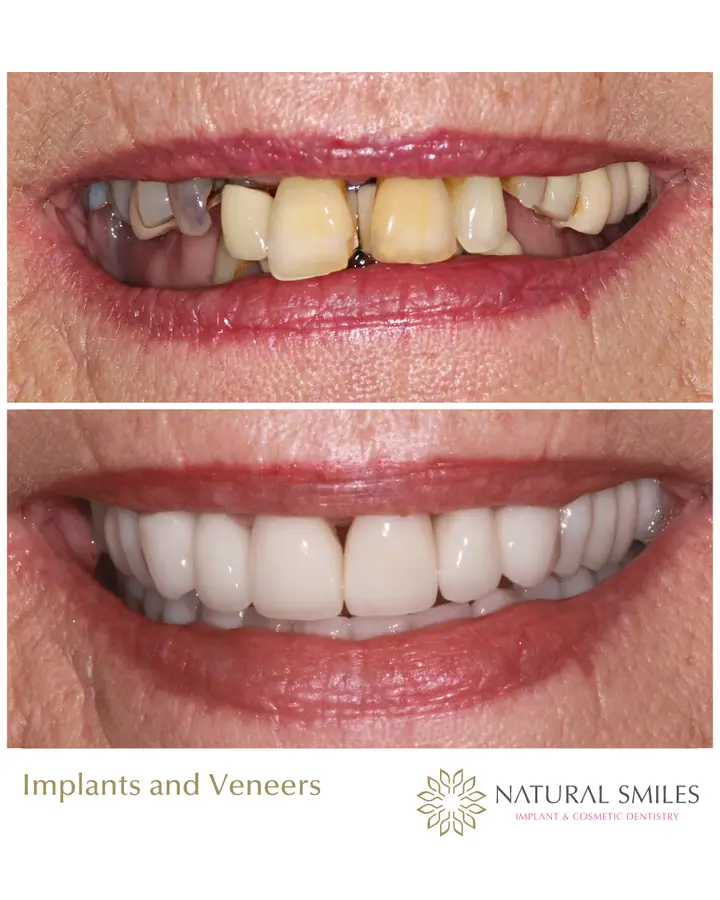
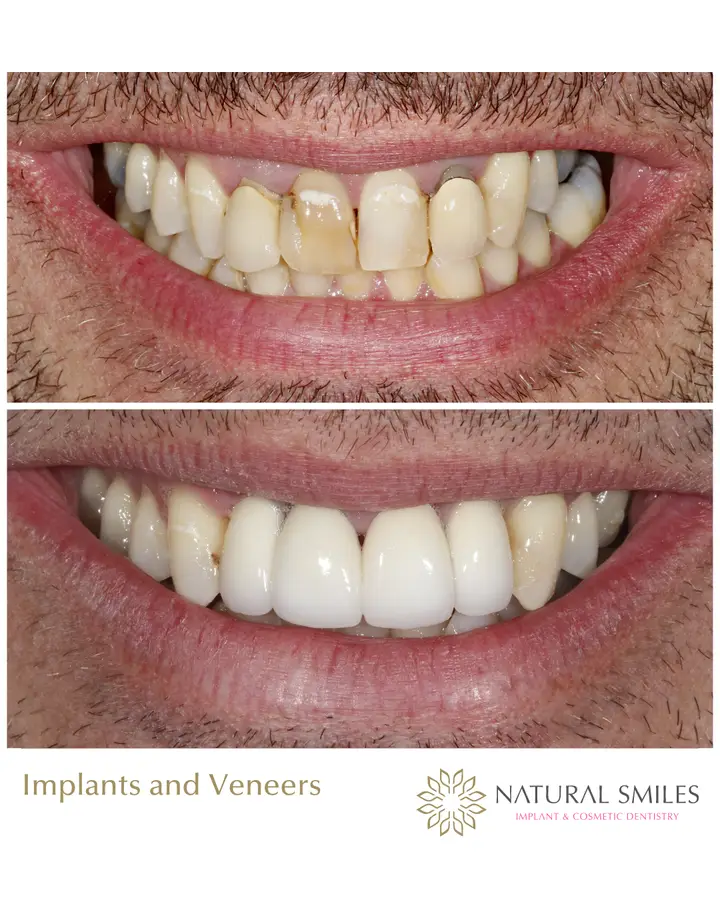
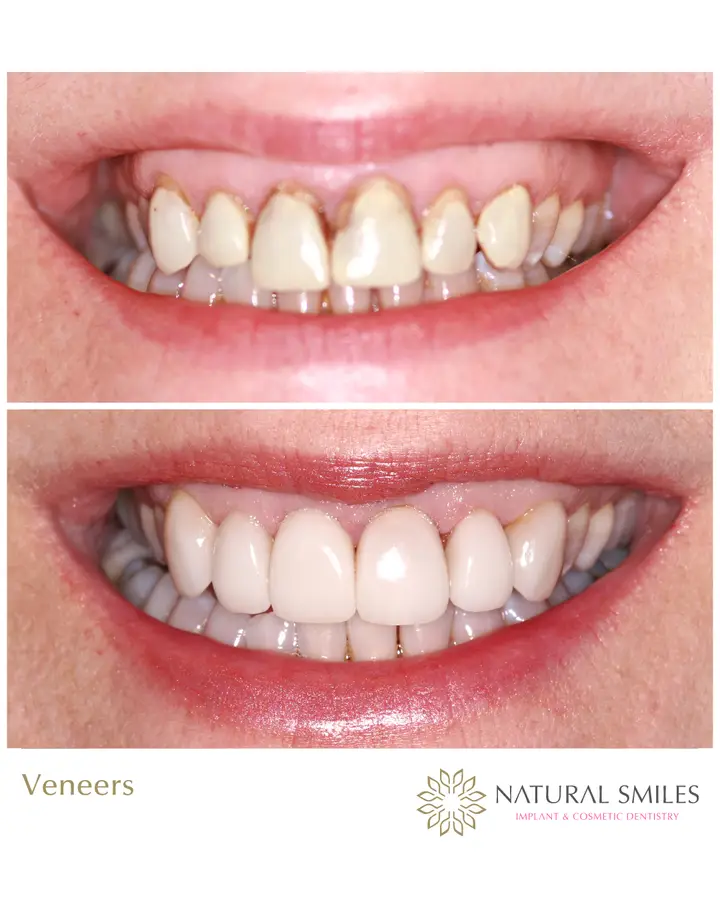
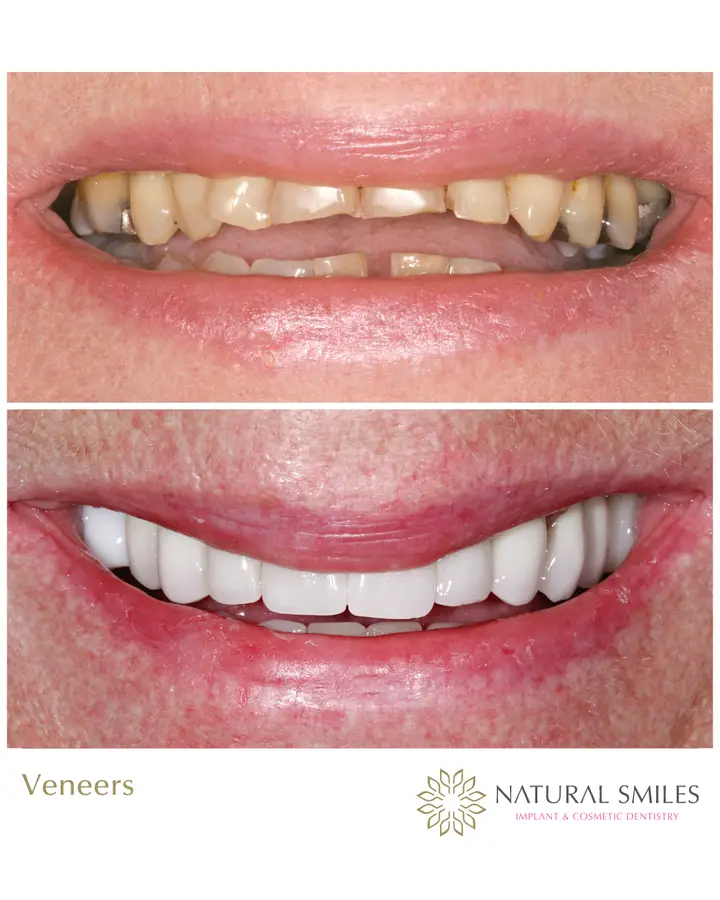
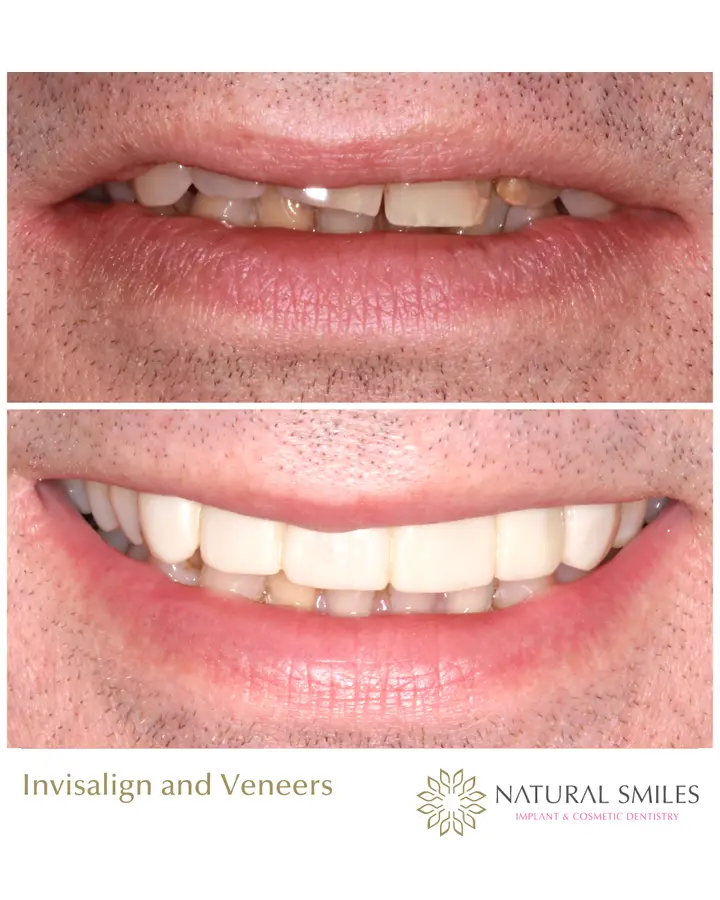
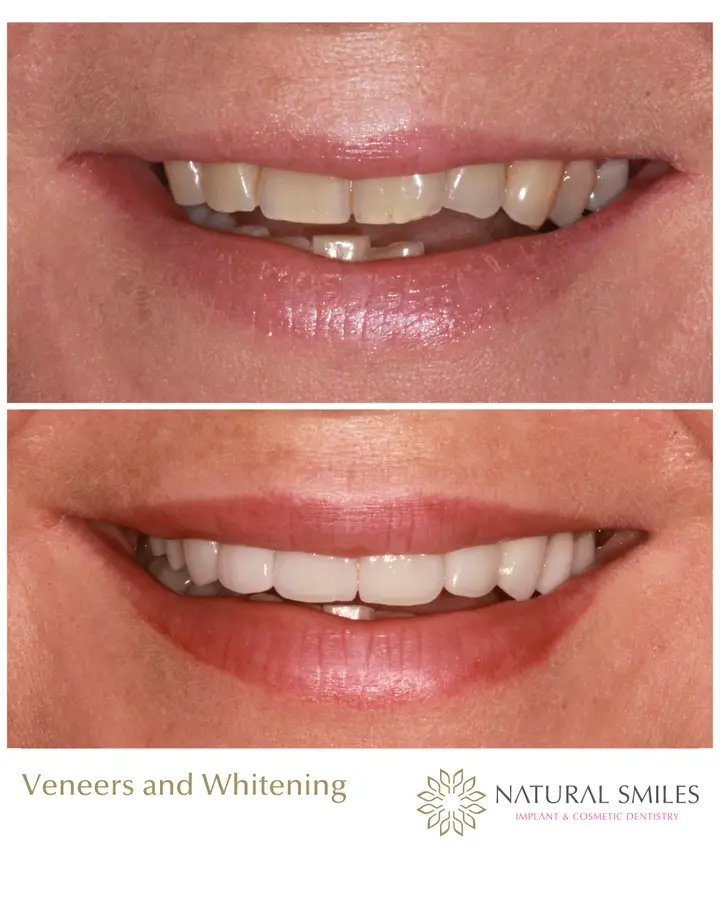
What veneers can change about your smile
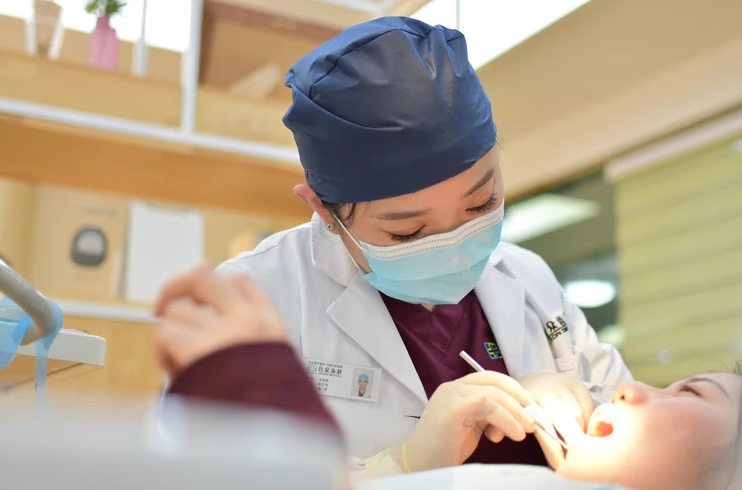
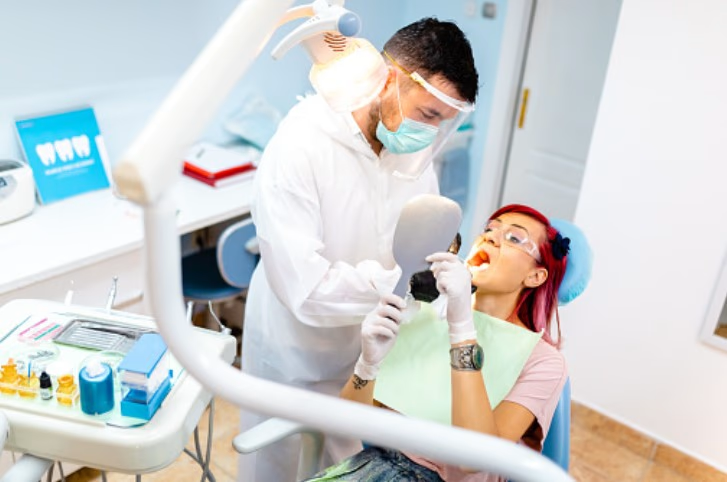
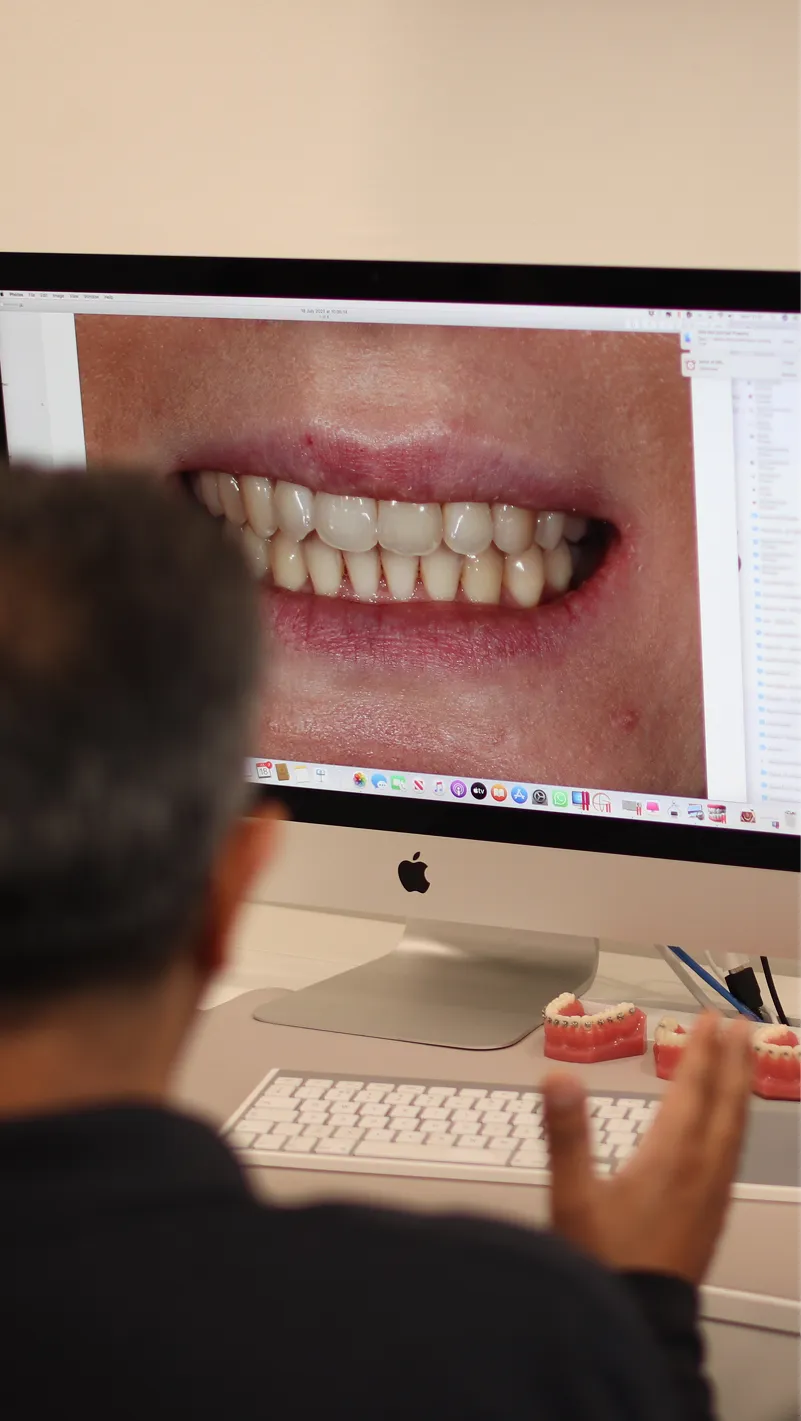
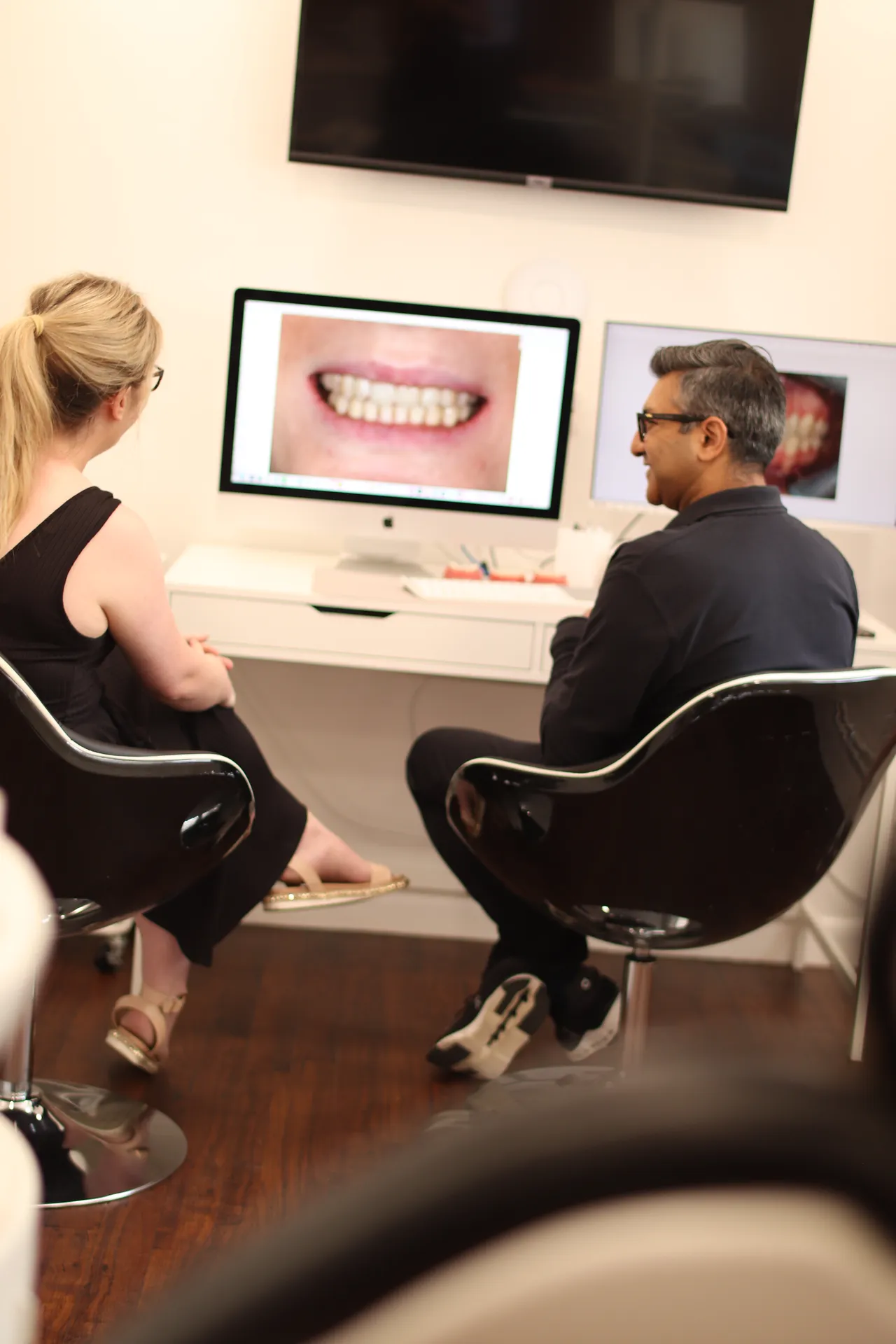
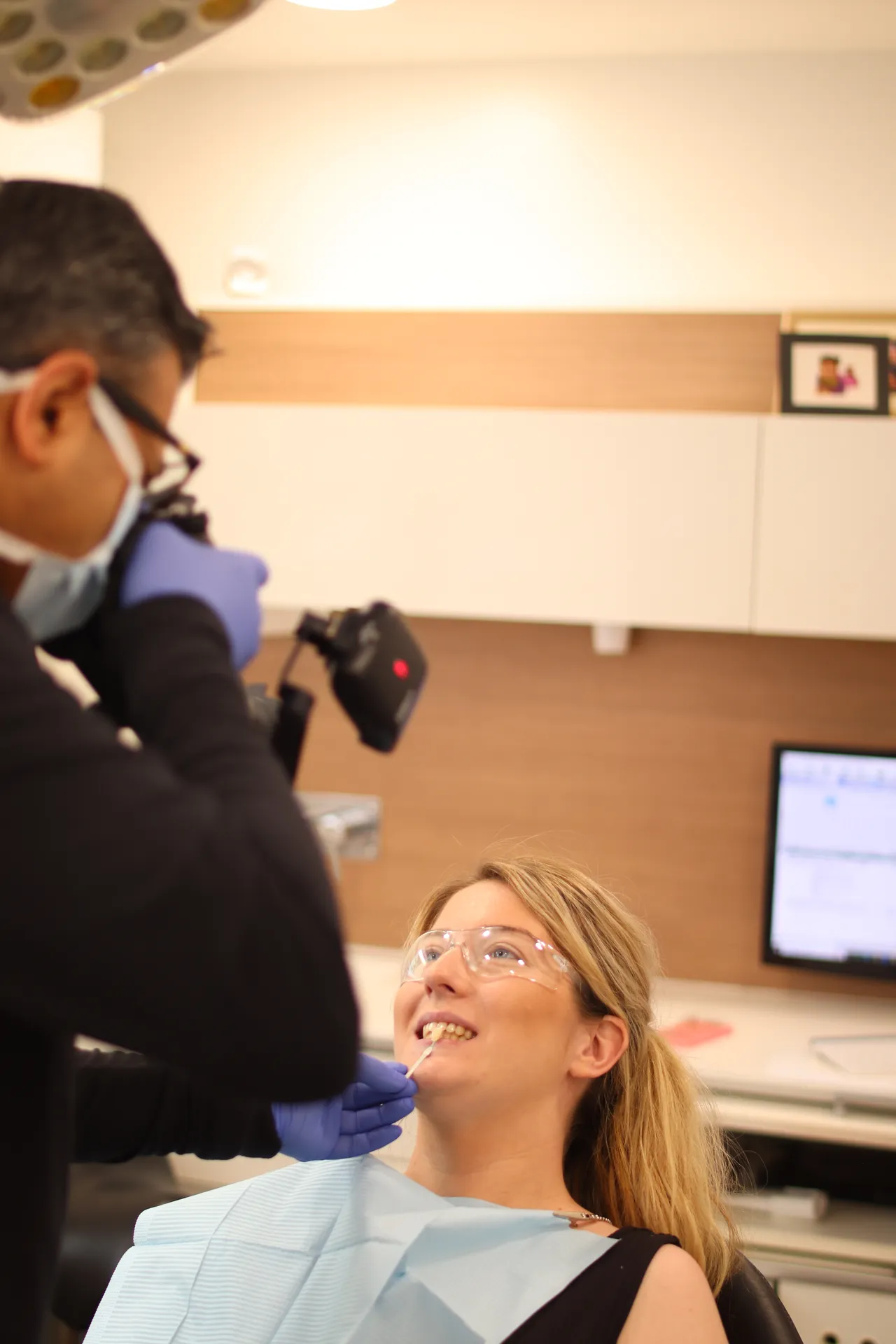
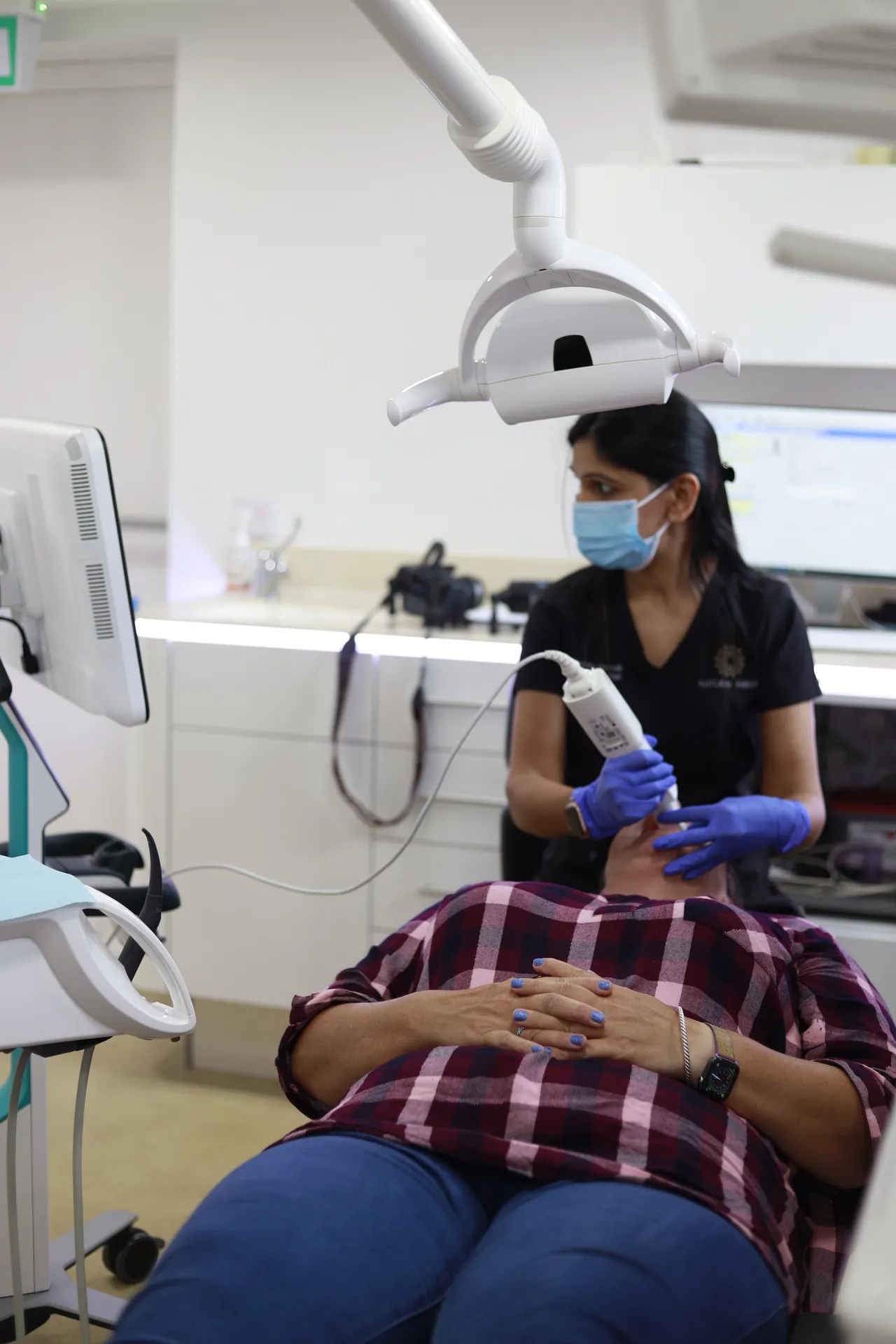
We use cutting-edge digital technology to plan and deliver your treatment with exceptional precision. This allows for more accurate diagnostics, fewer appointments and faster turnaround times, without compromising on quality.


Porcelain or composite - which is right for you?
This is the question we get asked most, and the honest answer is: it depends on what you want from the result. Both have a place, and we offer both. Porcelain veneers tend to last longer, resist staining better, and have a more lifelike translucency - but they're more expensive and involve a small amount of tooth reduction. Composite bonding is more affordable, can usually be done without removing tooth structure, and is easily repairable - but it doesn't have quite the same longevity or shine.
We'll walk you through both at your free consultation - including which option suits your goals, budget and timeline.
So why not just have the bonding, Leicester?
It is the question almost every patient asks us, and we would rather answer it properly than pretend porcelain is right for everyone. Sometimes bonding genuinely is the better call. Here is how the two compare, including the part most practices leave out.
Price per tooth
fee
How long it lasts
fee
Cost over 15 years
fee
Stain resistance
fee
Enamel removal
fee
Appointments
fee
Best suited to
fee
Guide prices only. Your personalised quote follows your consultation. How long either option lasts depends on grinding, diet and how well it is looked after.
The veneer design process at our Wigston practice
Good veneers aren't bought - they're designed. Here's how the process unfolds.
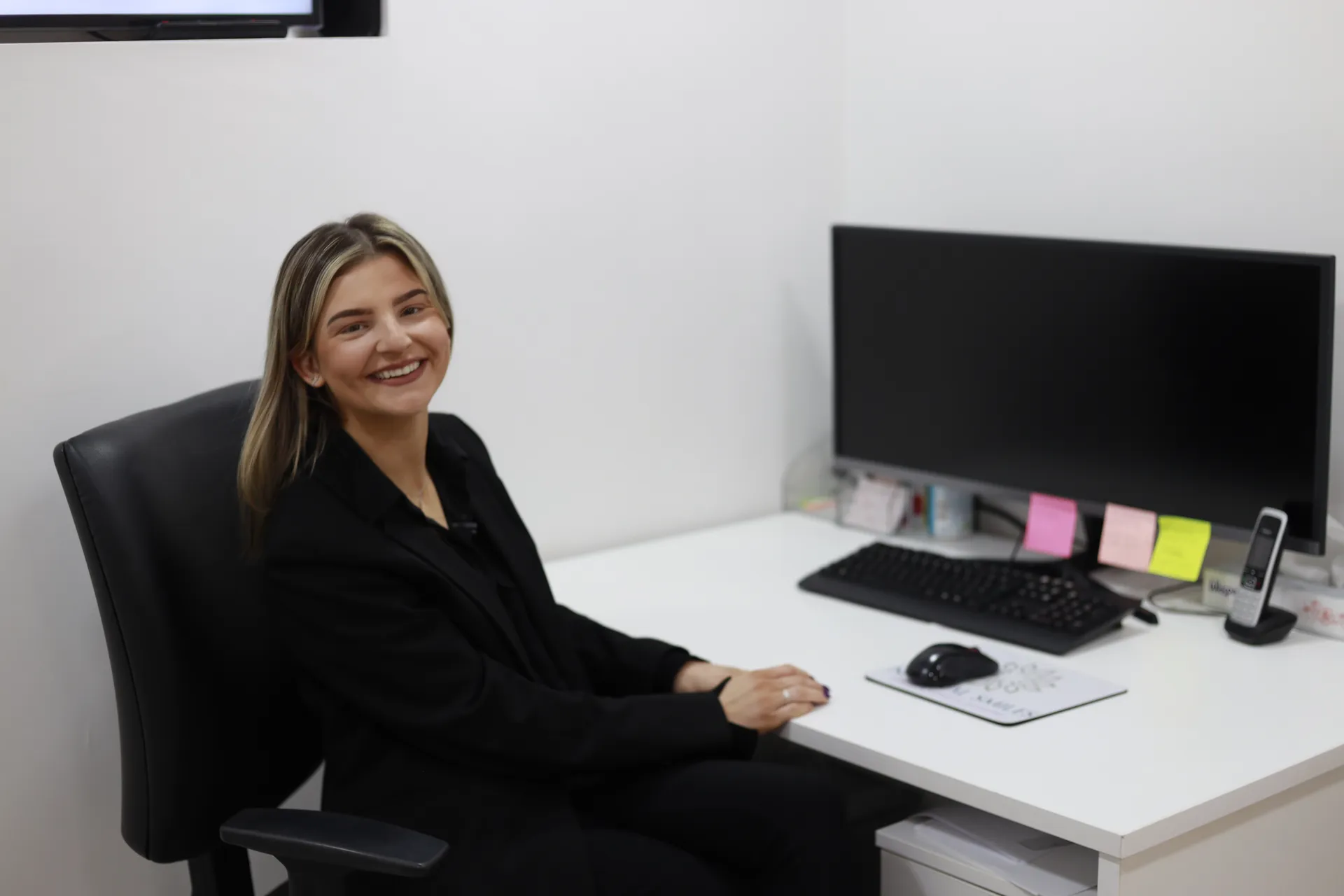
Step 1 - Free consultation
You'll meet our treatment coordinator first, in a relaxed setting with no clinical pressure. We'll talk about what you want to change, what you've tried before, and whether veneers are likely to be the right route. A £20 refundable deposit secures the appointment.
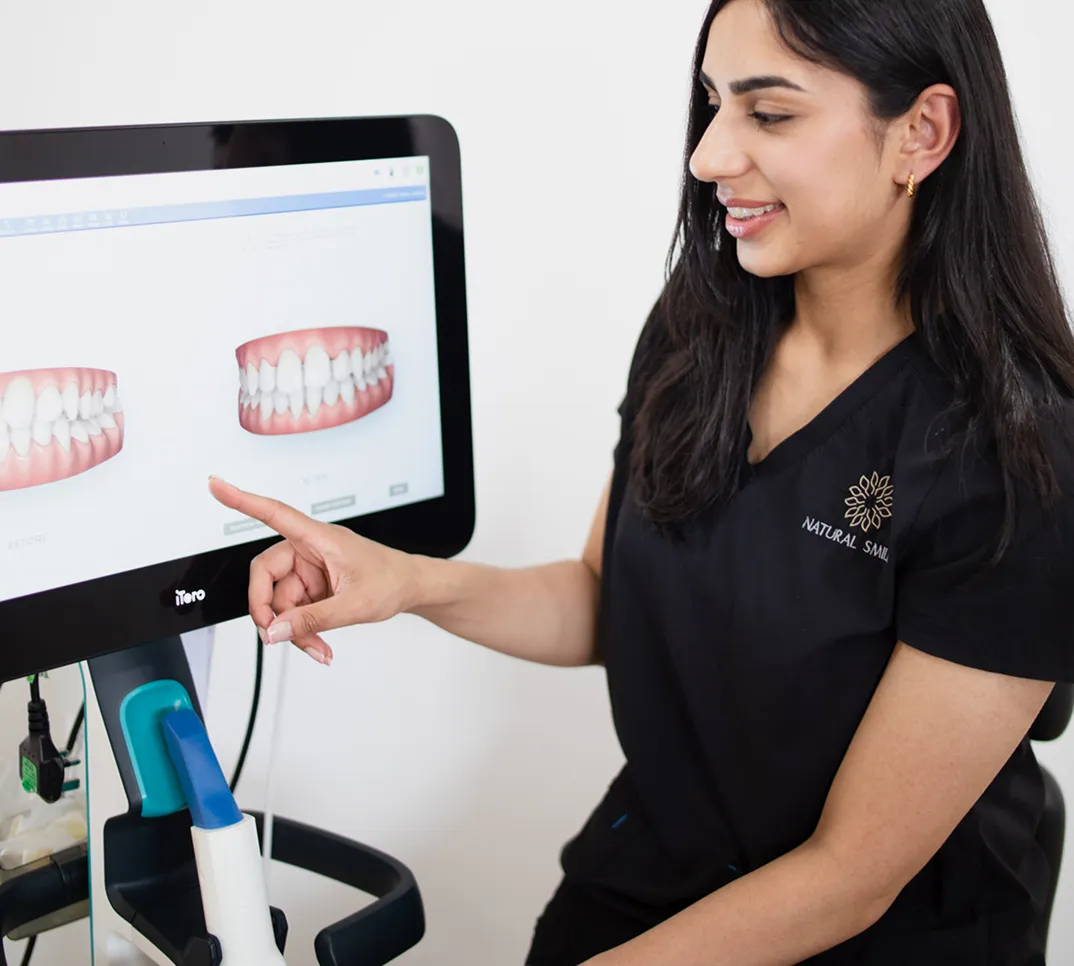
Step 2 - Clinical examination and smile design
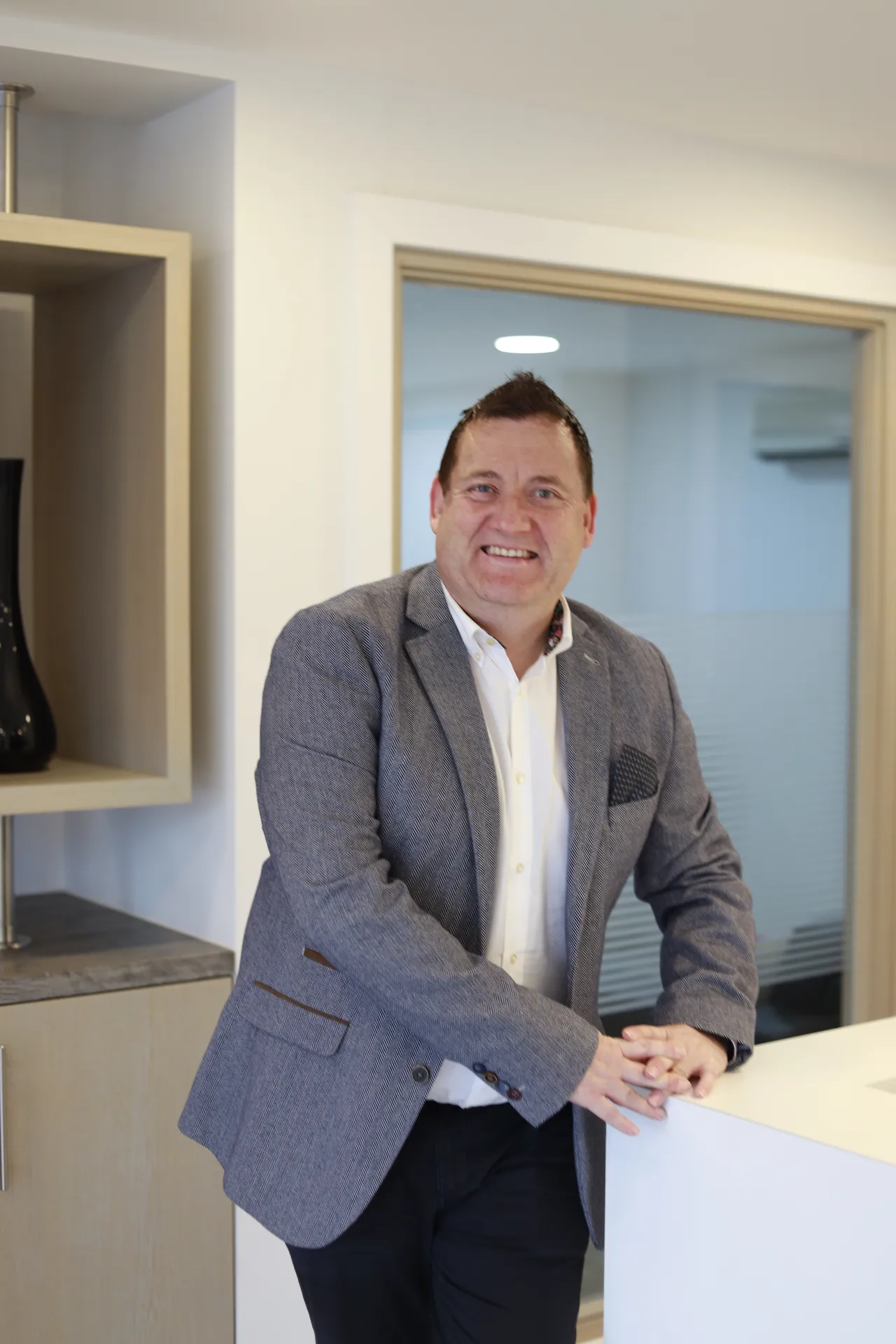
If you're proceeding, we'll book a thorough exam: 3D scans, BACD-protocol photography, any X-rays needed, and a discussion of options. Dr Bhavnish Waghela uses his experience as an ex-Director of the British Academy of Cosmetic Dentistry to design a smile that fits your features, not a template.
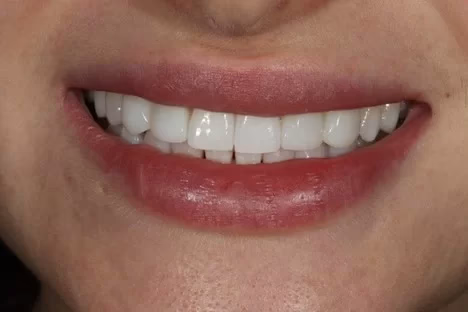
Step 3 - Trial smile preview
Before any veneers are made, we can show you a mock-up of your new smile - either digitally or with a temporary trial smile in your mouth. You can see it, adjust it, and approve it before any permanent work is done.
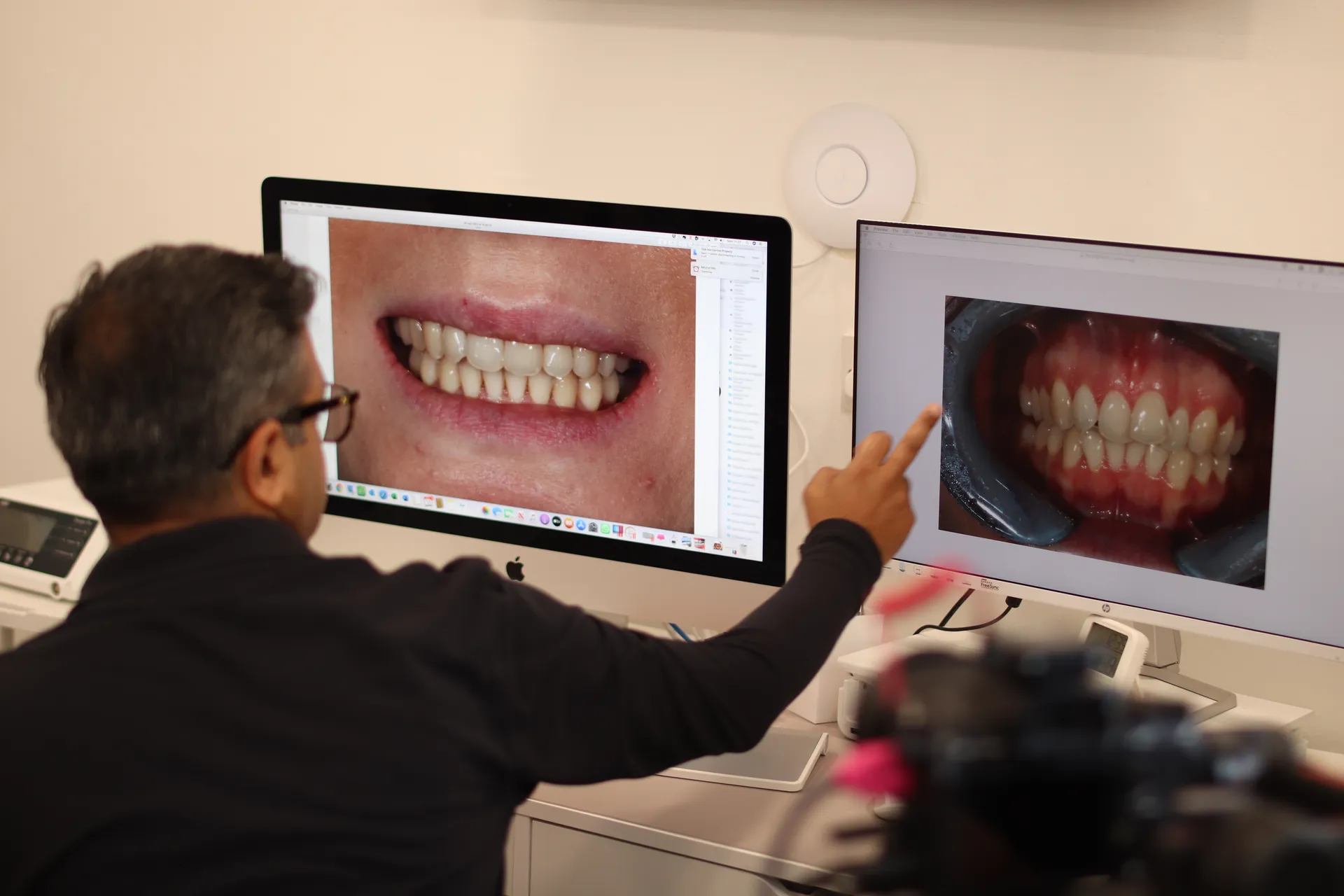
Step 4 - Preparation and impressions
Once you're happy with the design, the teeth are gently shaped (usually a fraction of a millimetre) and precision-scanned with our iTero scanner. Our partner dental technicians then craft each veneer by hand to match the agreed design.
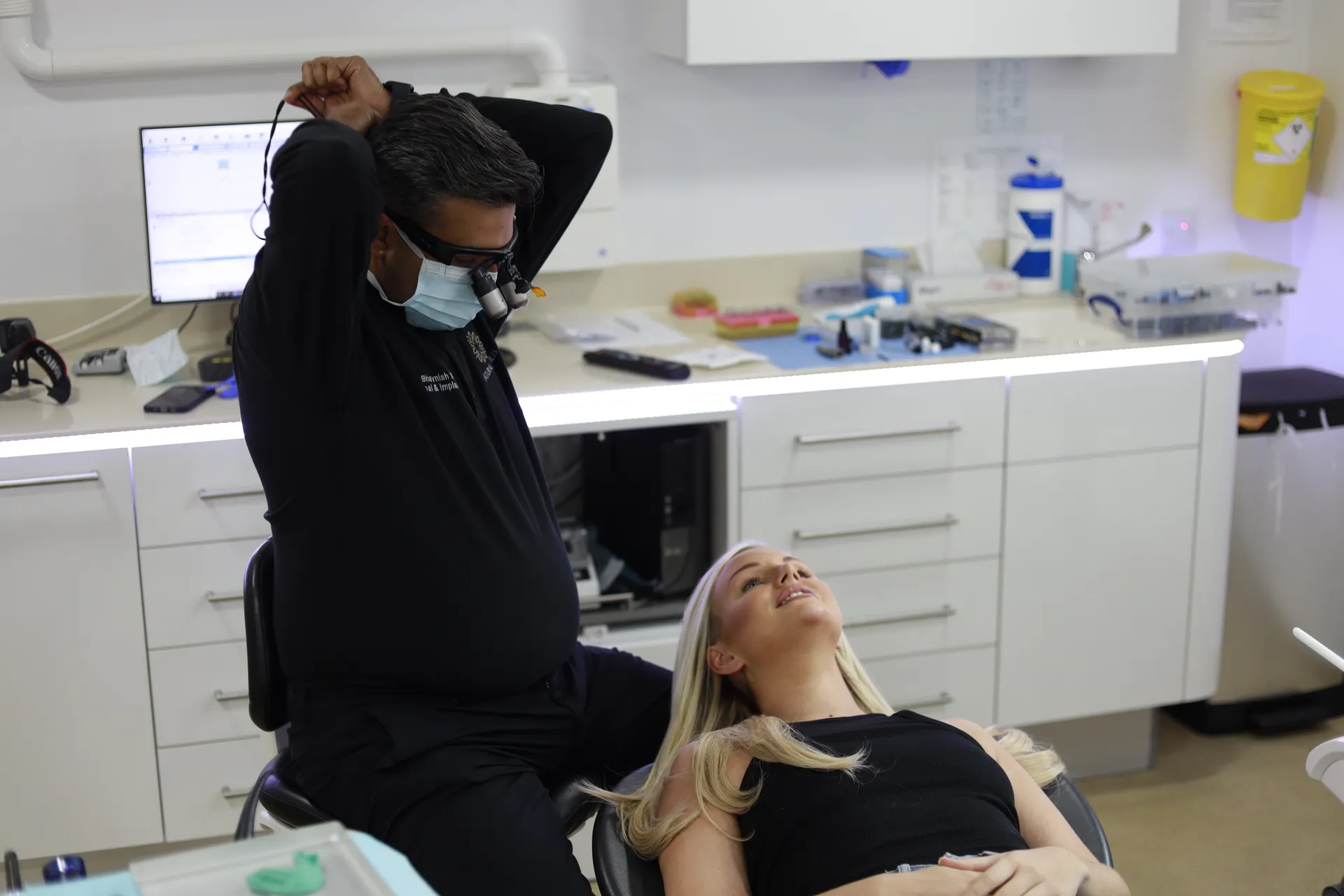
Step 5 - Fitting your veneers
At your fitting appointment, the veneers are bonded into place with strong dental adhesive, polished to a high shine, and your bite is carefully refined. You walk out with your new smile - already showing.
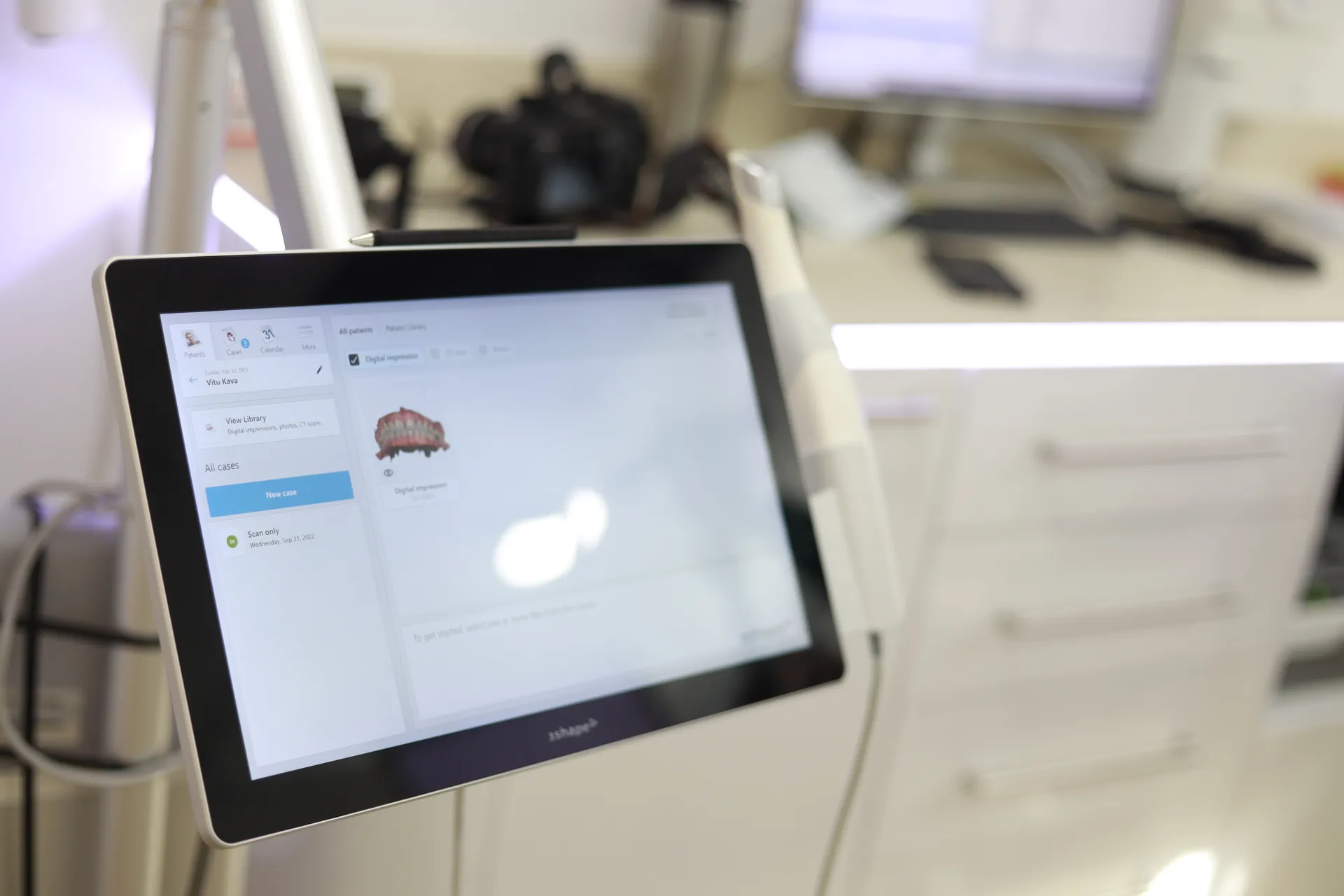
Most practices post your smile to a lab. We don't have to.
At most practices, your veneers get boxed up and couriered to a lab you'll never see, handled by a technician who'll never meet you. If the shade is slightly off at the fitting, they go back in the box. That's another week, another appointment, another day off work.
We built a lab into the practice in Wigston so that stage happens here. Shade adjustments, contour refinements, that final tweak to one edge that's bothering you - done in the building, often while you wait, with the technician able to look at your actual face rather than a photograph of it. And with CEREC, suitable cases are designed, milled and fitted in a single visit without leaving Leicester Road at all.
It isn't a common set-up. Building and staffing a lab is expensive, which is why most practices outsource it. But it's the difference between a smile that's technically correct and one that's right - and it's the reason our patients aren't waiting weeks between appointments to find out which they've got.

How long do porcelain veneers last?
With good care, porcelain veneers typically last 10-15 years - and often longer. Some patients keep their veneers for 20+ years before any work is needed. Longevity depends on the bond strength, the quality of the porcelain, and how you look after them at home and with regular hygiene visits.
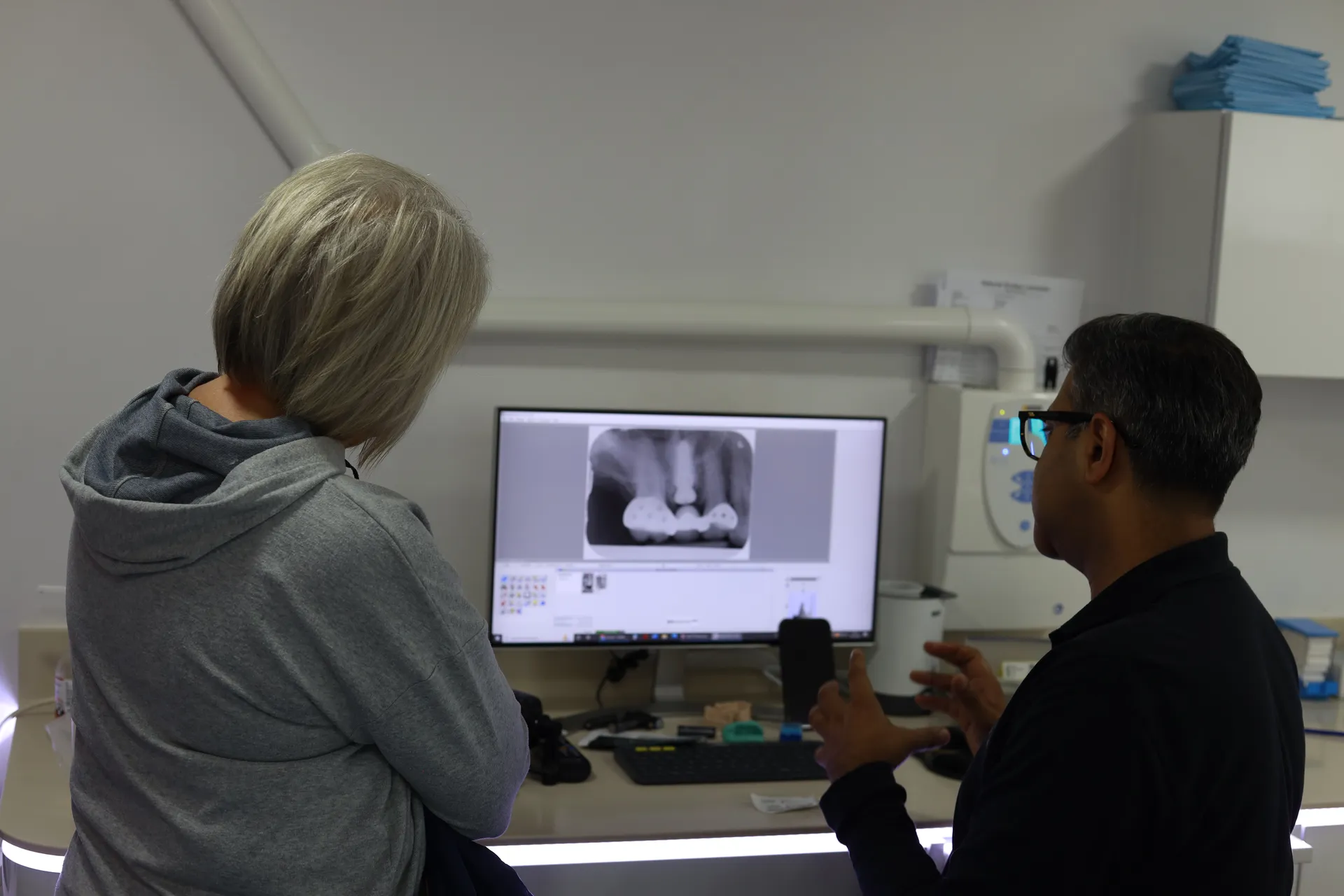
Why choose Natural Smiles for porcelain veneers
Veneers are a long-term commitment, and the quality of the work makes the difference between something you love and something you regret. Here's what we bring to the table.
Dr Bhavnish Waghela is a full BACD member and ex-Director of the British Academy of Cosmetic Dentistry
25 years of fully private cosmetic dentistry experience
Enlighten Centre of Excellence for whitening that pairs beautifully with veneer work
CEREC advanced user - capable of veneers in a day in suitable cases
Fully digital workflow - iTero, Trios, CBCT and 3D printing
Onsite mini dental lab for refinement and rapid turnarounds
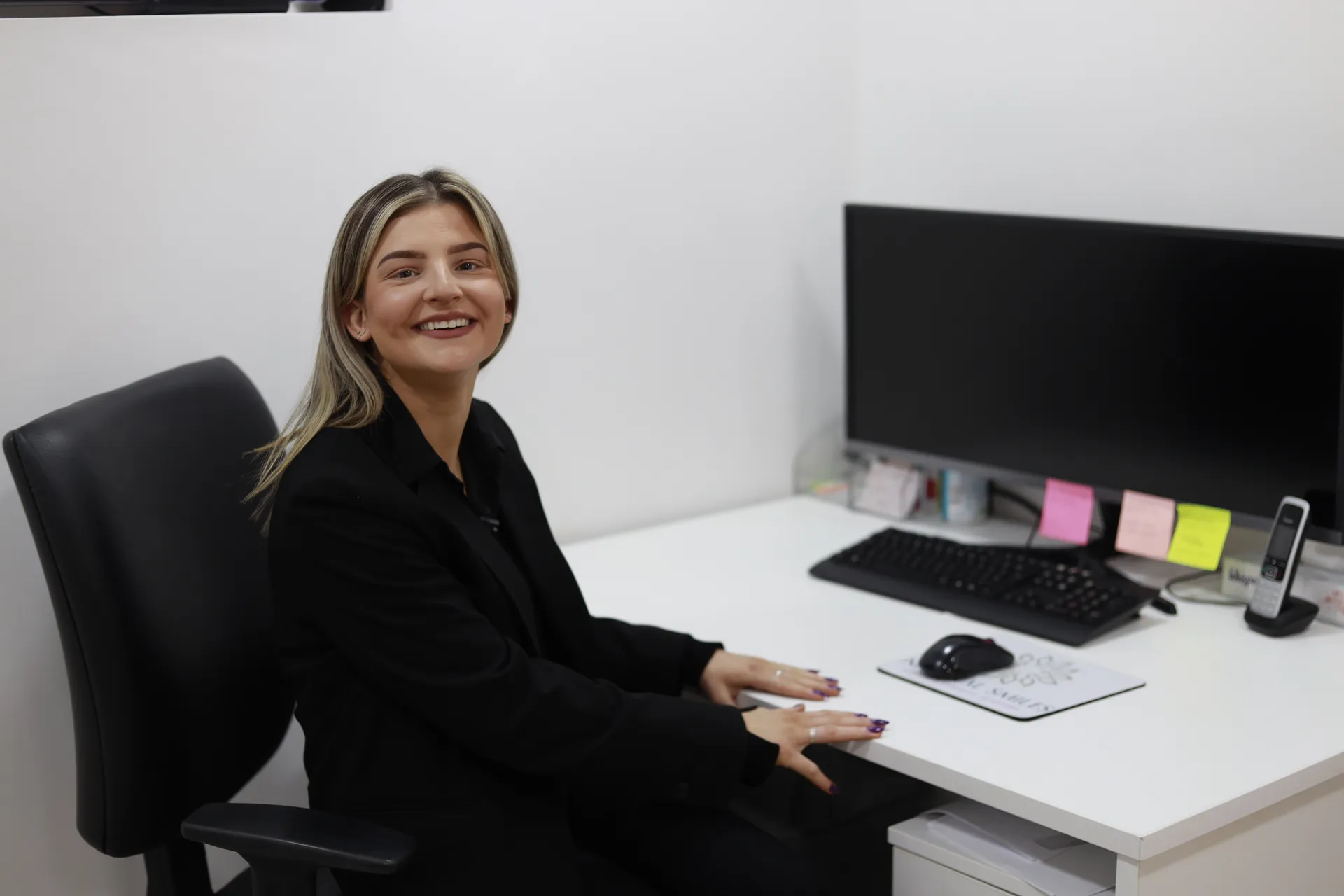
Treatment coordinator as your single point of contact throughout
Free initial consultation with no clinical pressure
Looking after your veneers
Veneers are remarkably low-maintenance, but they're not invincible. The basics matter.



How much do porcelain veneers cost in Leicester?
Veneer costs vary depending on the number of veneers, the complexity of the case, and whether any preparatory work is needed. We'll always give you a full written quote at your consultation, with no surprises later. Finance through V12 means you can spread the cost interest-free over 12 months, or longer-term at 9.9% APR.
Treatment
Non-members
fee
from
Members
from
Travelling to us from beyond Leicester
We see veneer patients from across the East Midlands and beyond - Oadby, Knighton, Stoneygate, Great Glen, Kibworth, Market Harborough, Hinckley, and patients travelling specifically to be treated by Dr Bhavnish Waghela. For patients further afield, we offer remote consultations and Loom video updates to keep things straightforward.
.svg%201.png)

Frequently asked questions
Will my veneers look fake?
Not with our approach. Modern porcelain veneers, well designed and fitted, are designed to look like natural teeth - including subtle imperfections, translucency and shading that catches light the way real enamel does. The "fake" look usually comes from poorly chosen shapes, overly bright shades or generic templates - not from veneers themselves.
How much of my natural tooth needs to be removed?
Less than people often imagine - typically a fraction of a millimetre, just enough to make space for the porcelain so the veneer doesn't feel bulky. In some cases, we can place veneers with no preparation at all, depending on the situation.
Are veneers reversible?
In most cases, no - because a small amount of tooth structure is removed during preparation. That's why we take design and planning seriously, including trial smiles before any permanent work. If you're not 100% sure veneers are right, composite bonding can be a more reversible alternative.
Will I need a temporary set of teeth between appointments?
In traditional veneer cases, yes - you'll have temporary veneers between preparation and fitting (usually a couple of weeks). With our CEREC veneers-in-a-day approach, suitable cases can skip the temporary stage entirely.
Do veneers stain over time?
Porcelain itself is highly resistant to staining - much more so than your natural enamel. The bond line at the edges can pick up some staining over many years, especially with heavy tea, coffee, red wine or smoking. Regular hygiene visits keep this in check.
What if a veneer chips or comes off?
Modern bonding is incredibly strong, so this is rare - but if it does happen, we can usually replace or re-bond the veneer. We always factor accidents into the long-term plan.
Can I get veneers if I have crooked teeth?
Sometimes - veneers can disguise minor crookedness. For significant misalignment, we'd often recommend straightening the teeth first with clear aligners, then placing veneers afterwards. This usually gives a better, more conservative result. We'll discuss the right sequence for your case.
Will my veneers look fake?
Not with our approach. Modern porcelain veneers, well designed and fitted, are designed to look like natural teeth - including subtle imperfections, translucency and shading that catches light the way real enamel does. The "fake" look usually comes from poorly chosen shapes, overly bright shades or generic templates - not from veneers themselves.
How much of my natural tooth needs to be removed?
Less than people often imagine - typically a fraction of a millimetre, just enough to make space for the porcelain so the veneer doesn't feel bulky. In some cases, we can place veneers with no preparation at all, depending on the situation.
Are veneers reversible?
In most cases, no - because a small amount of tooth structure is removed during preparation. That's why we take design and planning seriously, including trial smiles before any permanent work. If you're not 100% sure veneers are right, composite bonding can be a more reversible alternative.
Will I need a temporary set of teeth between appointments?
In traditional veneer cases, yes - you'll have temporary veneers between preparation and fitting (usually a couple of weeks). With our CEREC veneers-in-a-day approach, suitable cases can skip the temporary stage entirely.
Do veneers stain over time?
Porcelain itself is highly resistant to staining - much more so than your natural enamel. The bond line at the edges can pick up some staining over many years, especially with heavy tea, coffee, red wine or smoking. Regular hygiene visits keep this in check.
What if a veneer chips or comes off?
Modern bonding is incredibly strong, so this is rare - but if it does happen, we can usually replace or re-bond the veneer. We always factor accidents into the long-term plan.
Can I get veneers if I have crooked teeth?
Sometimes - veneers can disguise minor crookedness. For significant misalignment, we'd often recommend straightening the teeth first with clear aligners, then placing veneers afterwards. This usually gives a better, more conservative result. We'll discuss the right sequence for your case.
Design your new smile, on your terms - limited slots this month
Book an appointment for:
- Dental check-up
- Hygiene appointment
- Dental emergency
- Teeth whitening