Composite bonding in Leicester
Reshape, restore and refine your smile in a single visit. Minimally invasive, artistically applied, and far more affordable than porcelain.
-1920.webp)
Ex-director on our team
Fully private care
Finance over 12 months
Big smile changes, small commitment
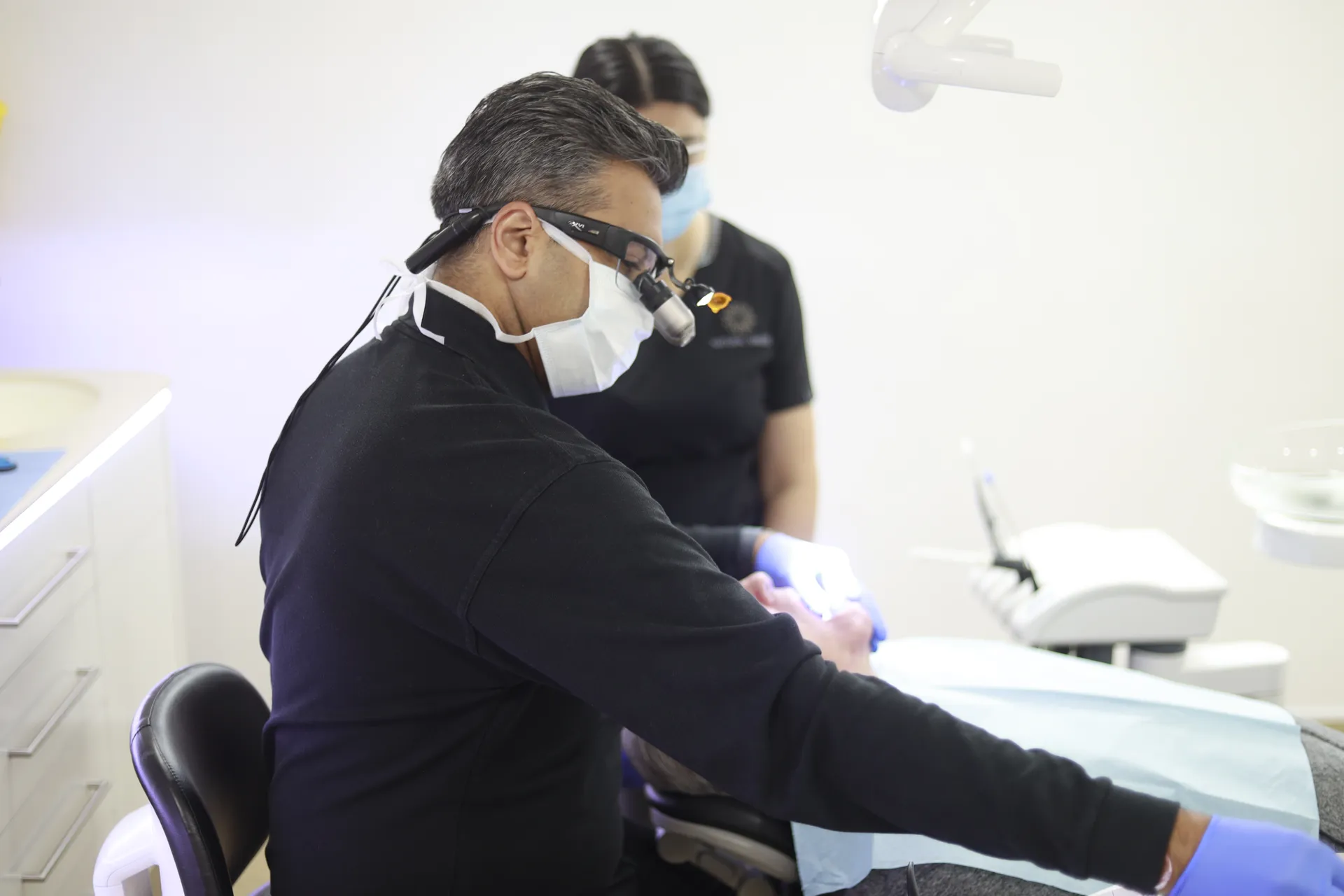
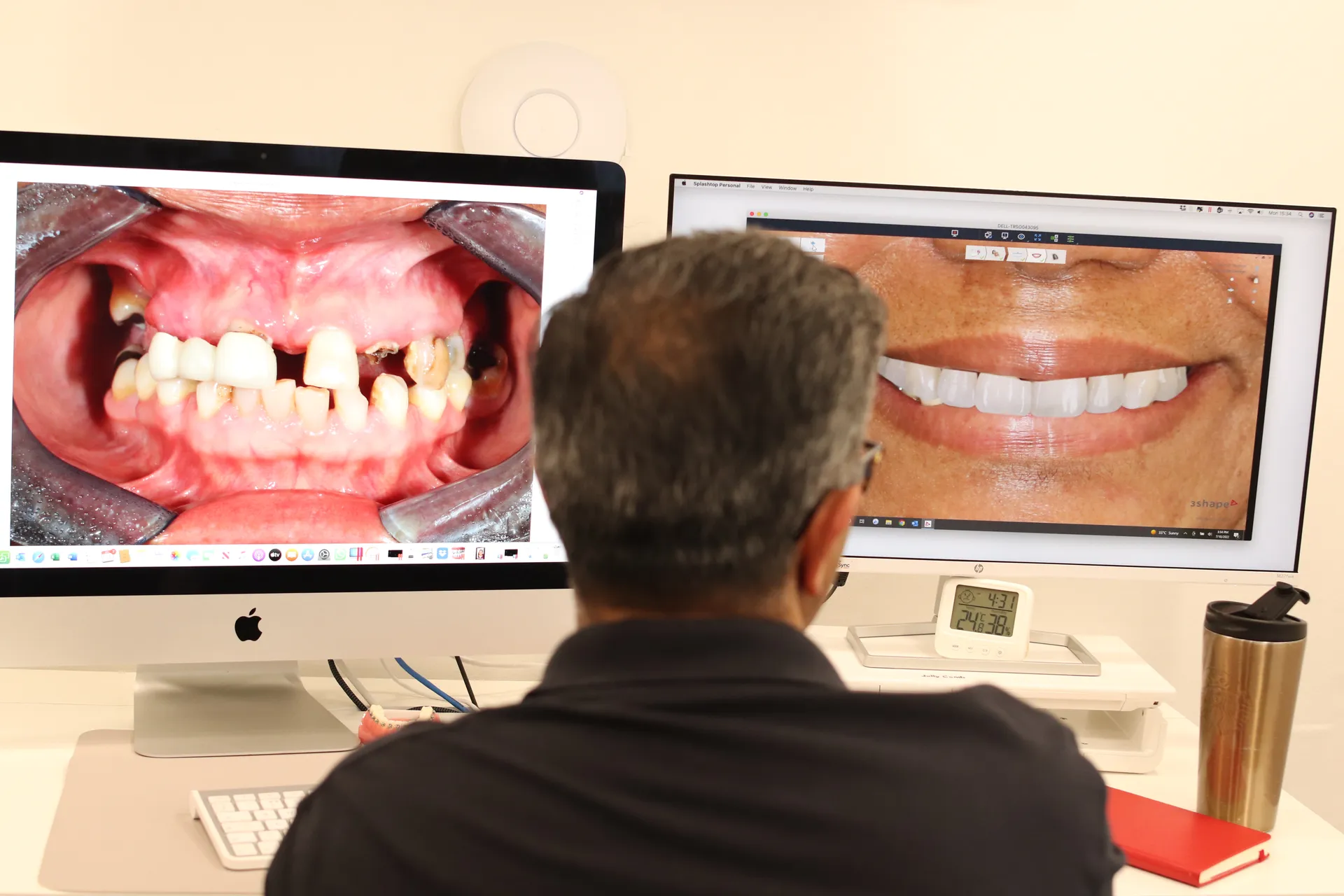
Composite bonding has become one of our most popular cosmetic treatments - and it's easy to see why. In a single visit, we can close gaps, repair chips, even out edges, lengthen short teeth, or completely reshape your smile. No drilling, no temporary stage, often no anaesthetic. Just a few hours, and you walk out with a smile that finally feels like yours.



Trusted by our patients

So happy with the service I received from Dr Anmol Bal and Aman at Natural Smiles, she was very informative, really personable and friendly through my composite bonding treatment and the procedure itself was very comfortable and I was even able to watch Netflix during it! Can't thank Natural Smiles enough, my only regret is not getting my teeth done sooner! Don't think I've stopped smiling since. Thank you!
Left the dentist very very happy having done my composite bonding by dr Anmol. She was very helpful and asked me if I was comfortable with every step of the way and would be happy to make any changes that I wanted to be made so overall very very satisfied.
I had composite bonding done earlier this year before my wedding and I am so happy I went with Natural Smiles, the bonding is fantastic, it has literally given me a whole new confidence that I didn't know I had! The staff have been amazing and always happy to help! Honestly can look at my wedding photos with happiness, my smile is perfect now and I'm so glad I took the plunge and went for it!! Thank you Natural Smiles Wigston!
Since having composite bonding about 5 years ago, the after care and service I've received at Natural Smiles has been second to none. I continue to recommend Natural Smiles and literally have nothing negative to say about the practice and all the staff. Starting my treatment with Natural Smiles was one of the best decisions I've ever made, and going to the dentist is actually now a pleasant experience.
What is composite bonding?
Composite bonding uses a tooth-coloured resin - the same high-quality material we use for white fillings - to reshape and refine the front of your teeth. The composite is applied in soft, putty-like layers directly onto the tooth surface, sculpted by hand into the desired shape, then cured with a special light. Once polished, the finish is smooth, lustrous and natural-looking.
It's part artistry, part dentistry - and the result depends heavily on the skill and eye of the clinician shaping it.
Real stories from patients who wanted to feel like themselves again
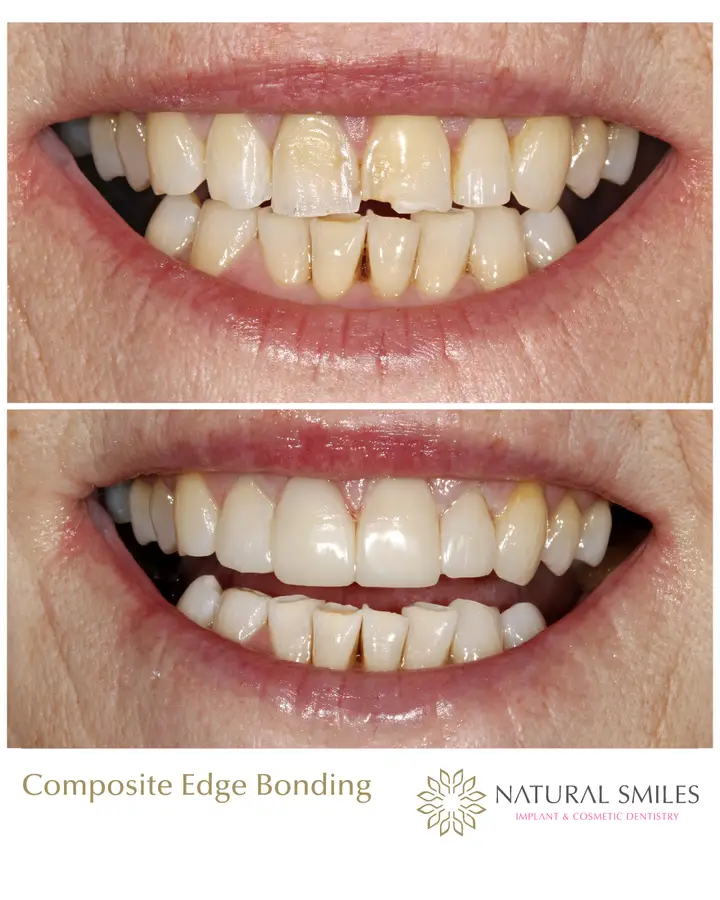
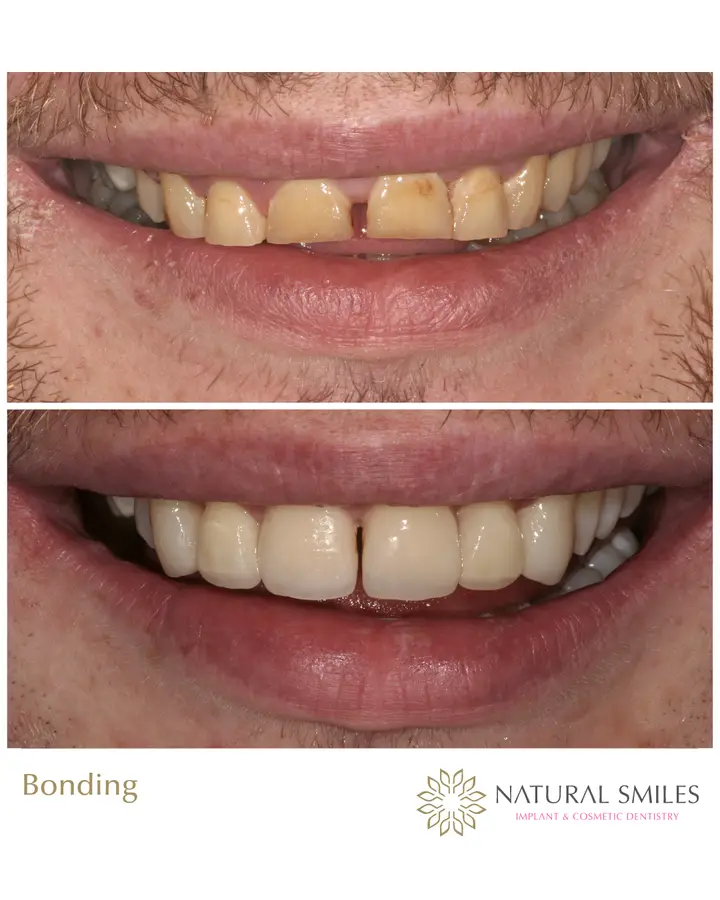
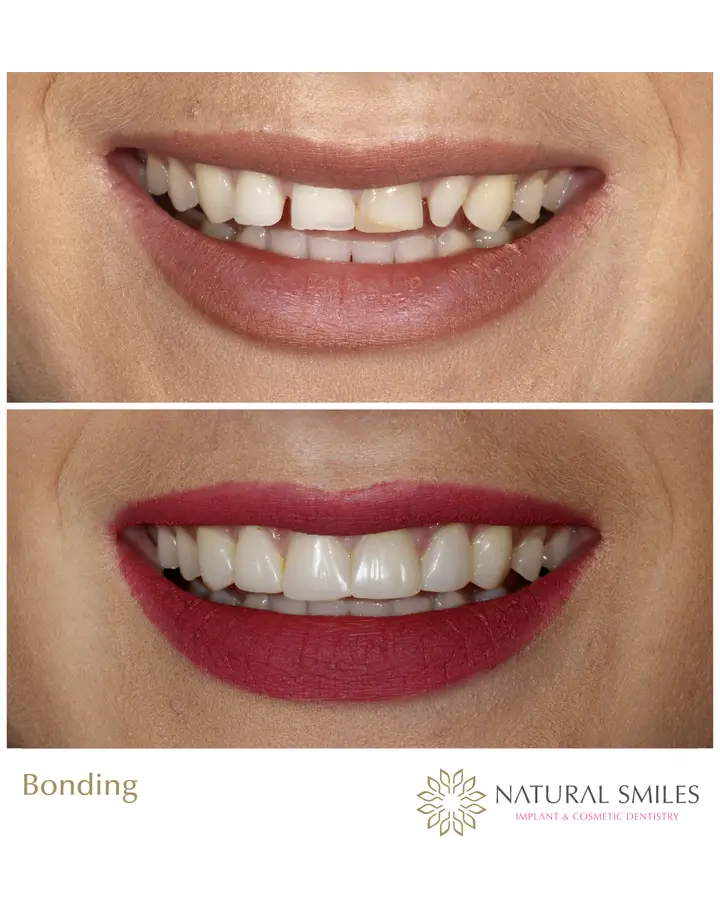
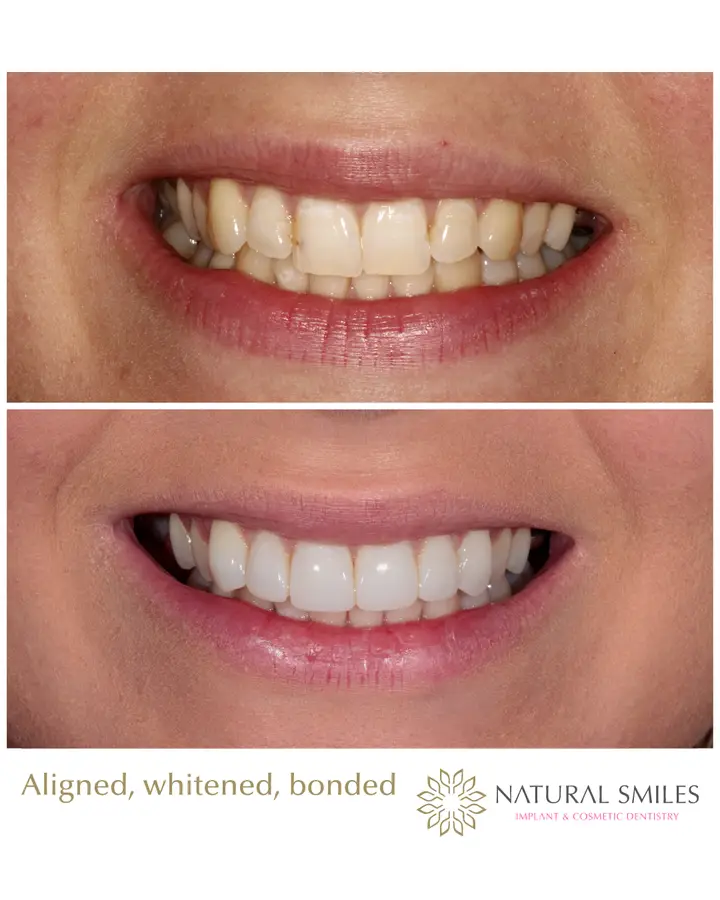
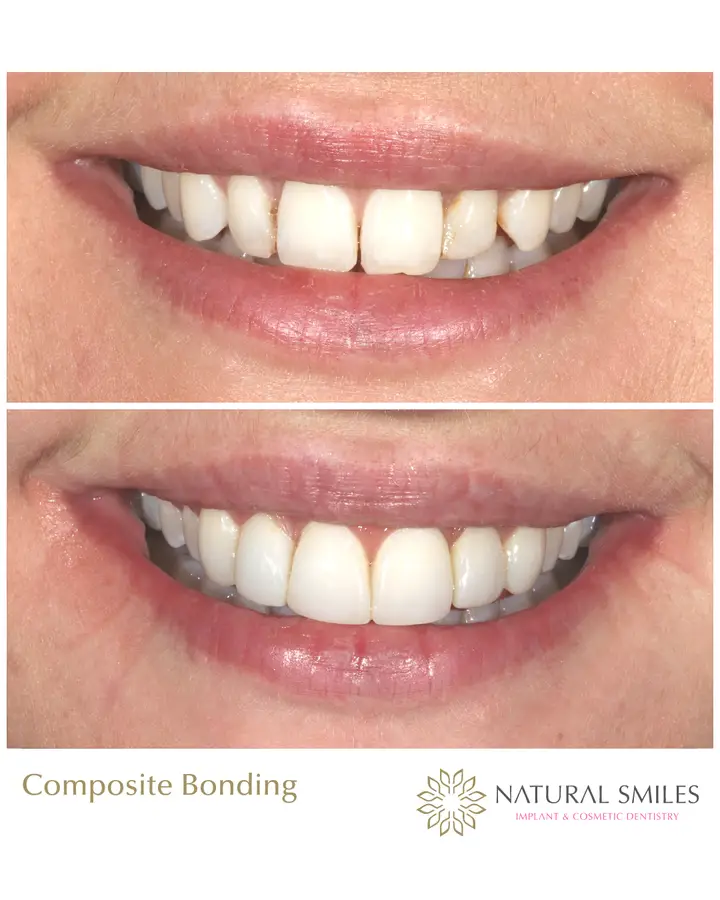
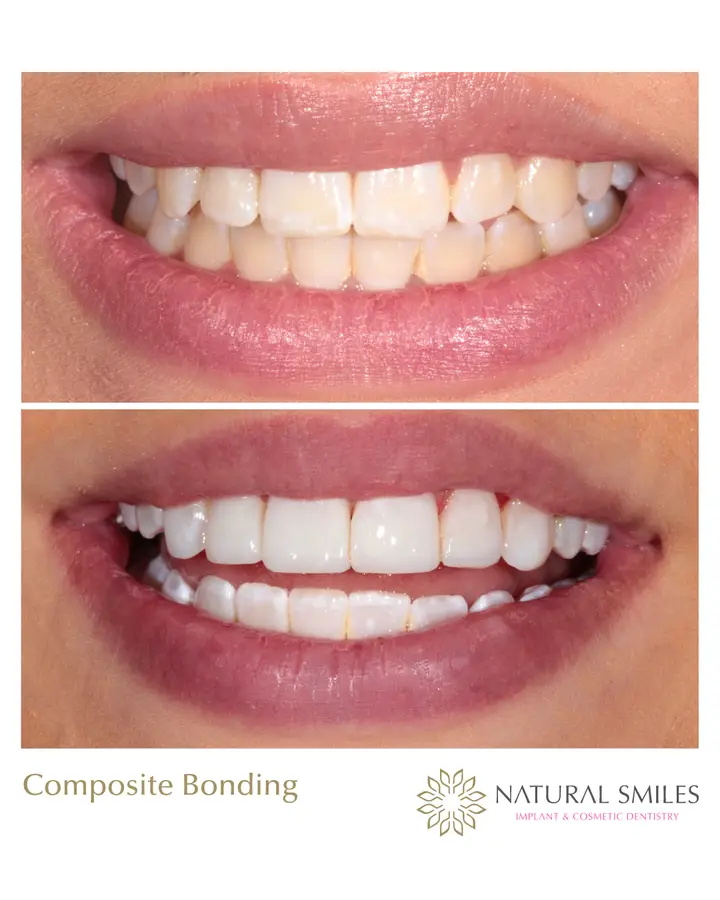
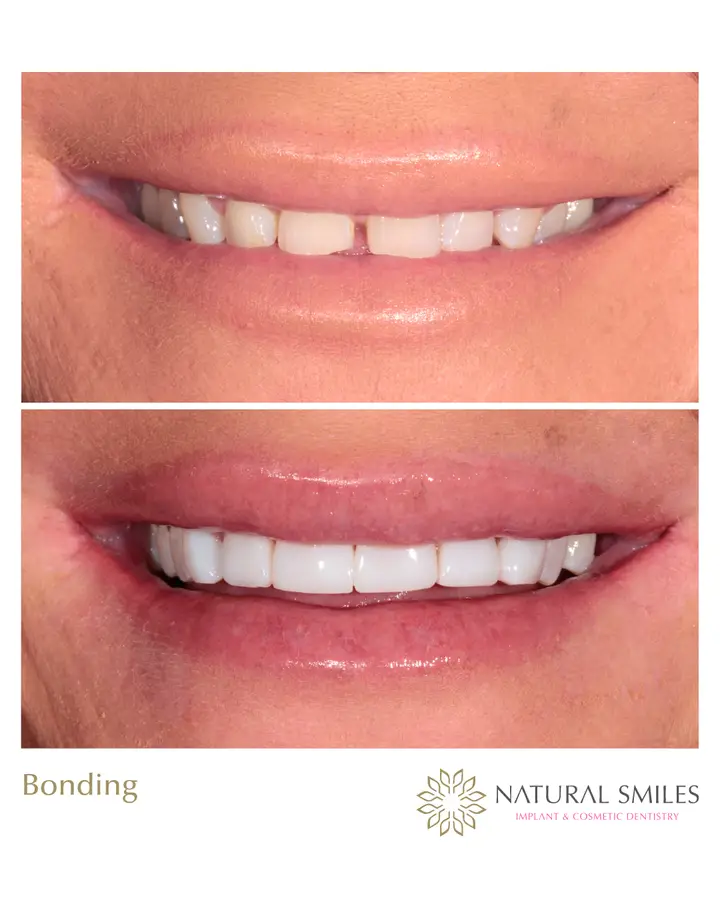
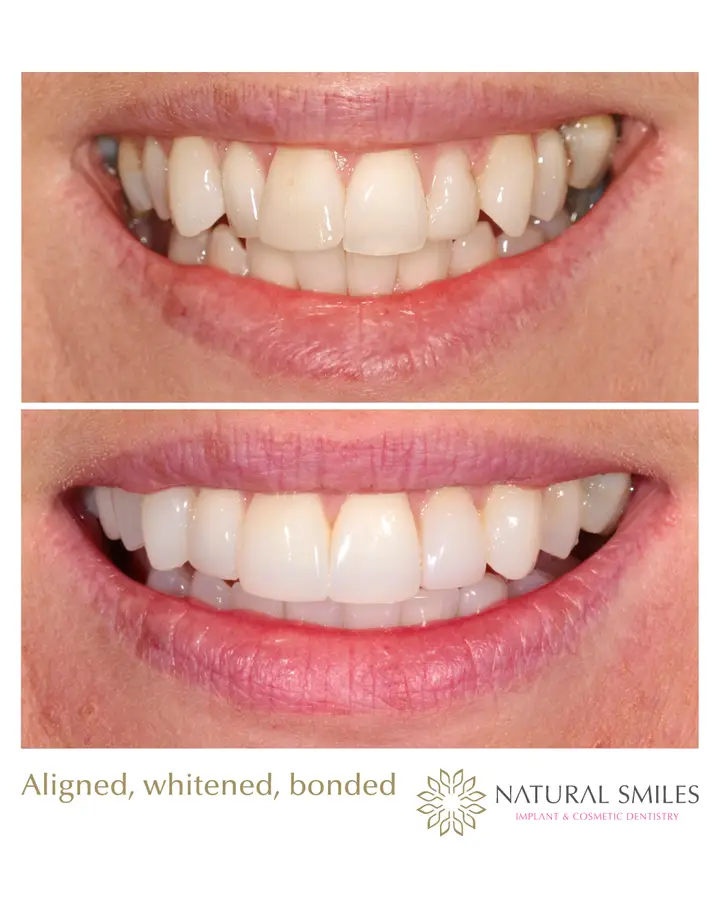
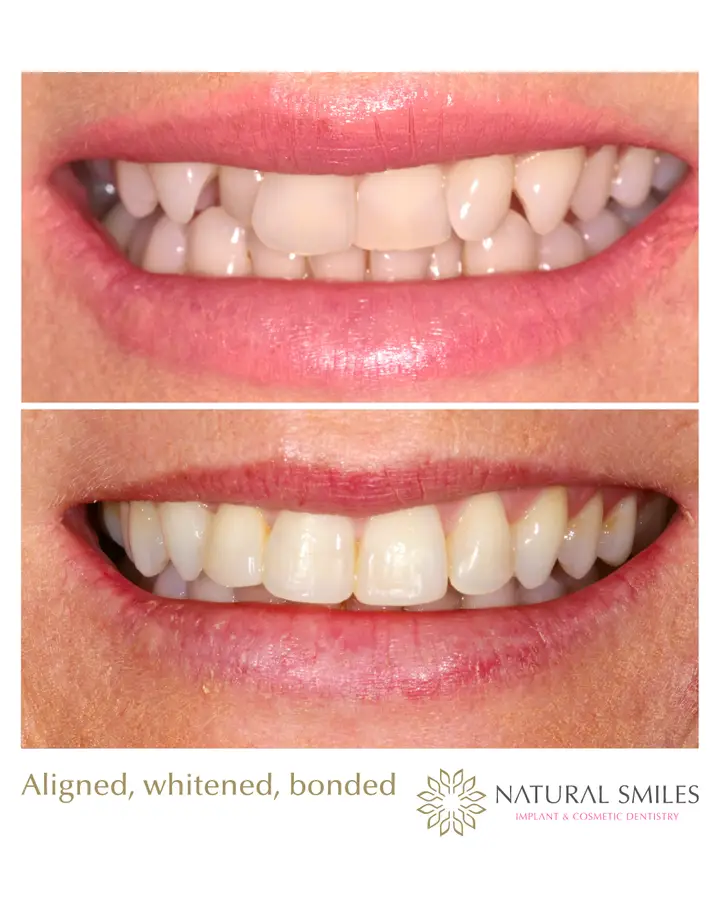
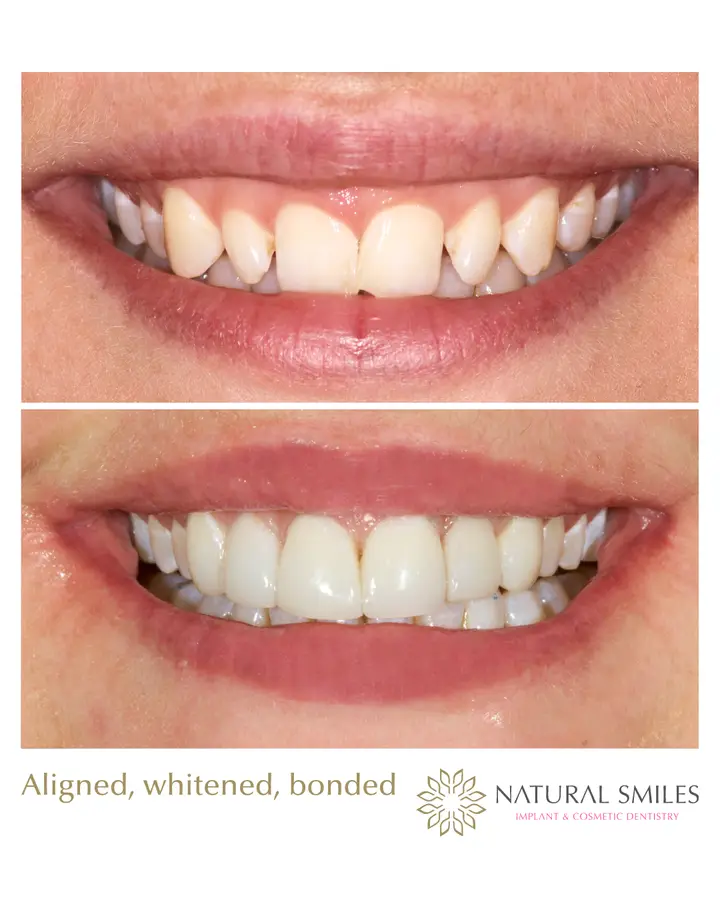
Edge bonding vs full composite veneers
Not all composite bonding is the same. We tailor the approach to what you actually need.
Edge bonding
Perfect for refining the edges of your teeth - smoothing chips, evening out lengths, softening sharp corners. Quick, affordable, and ideal if your teeth already have a shape and shade you mostly like but want refined.
Composite veneers
A full composite layer applied to the front surface of the tooth - changing the shape, length and shade. Suitable for more dramatic transformations: closing gaps, masking discolouration, or completely redesigning the look of your front teeth.
What composite bonding can change
Invisalign offers a discreet and effective way to improve both the appearance and function of your smile. During your consultation, we’ll take the time to understand your goals, assess your teeth, and determine whether Invisalign is the right solution for you.




Composite or porcelain - the honest comparison
Both have their place. Composite is the more accessible choice - faster, less invasive, easier to repair, and significantly more affordable. Porcelain veneers last longer, resist staining better, and have a more lifelike translucency for premium results. Many patients start with composite to test out a look, then upgrade to porcelain later if they decide to invest in the longest-lasting option.
There's no "better" - just better for what you're trying to achieve. We'll be honest about which option suits your goals and budget at your free consultation.
Your composite bonding appointment, step by step
Most patients are surprised by how quickly the transformation happens. Typical appointments take 1-3 hours depending on how many teeth are involved.

1. Smile design and shade selection
We'll agree on the final shape and shade before starting - usually after whitening if you're combining both.
2. Gentle preparation
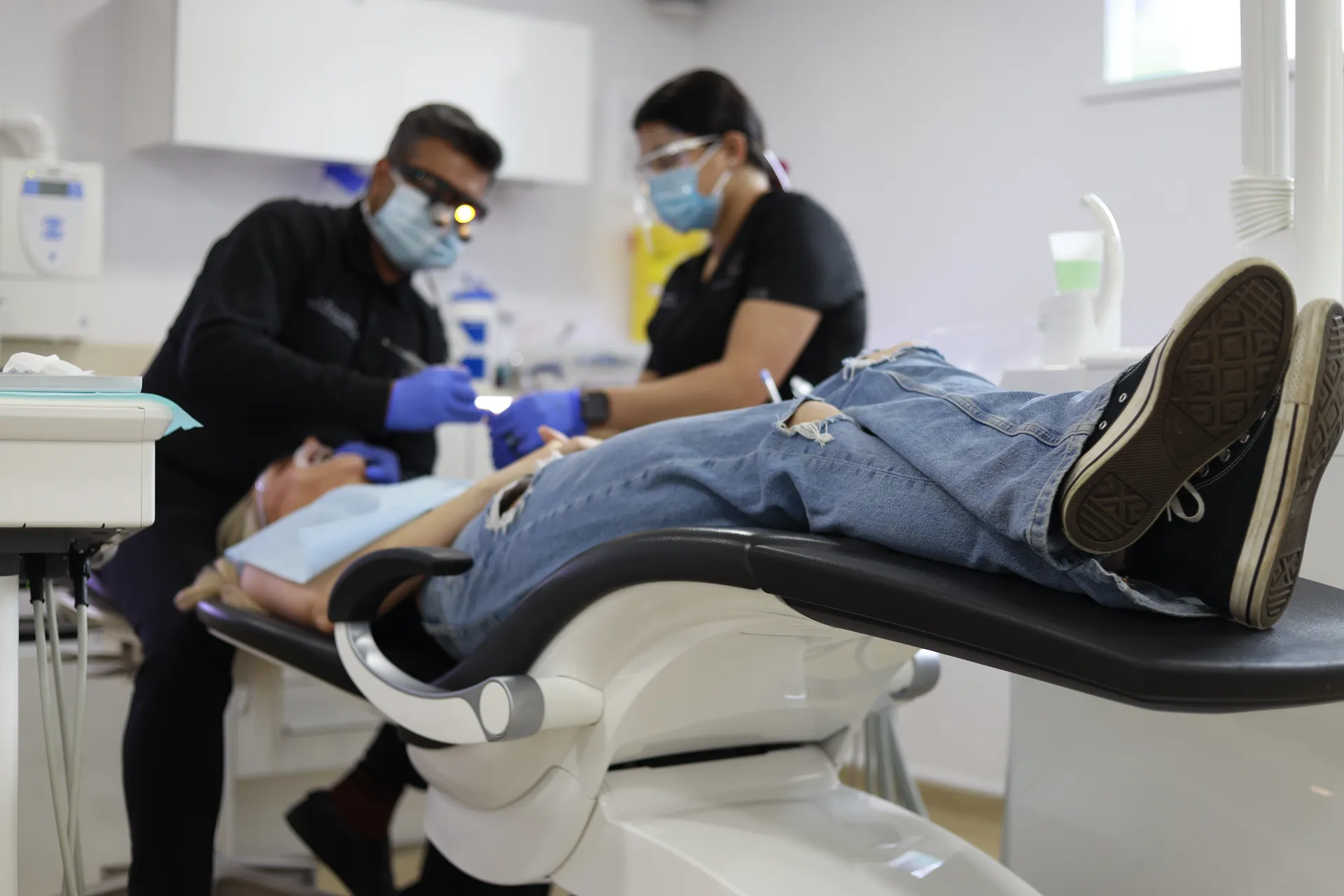
The tooth surface is lightly cleaned and conditioned so the composite bonds securely. No drilling, no anaesthetic in most cases.
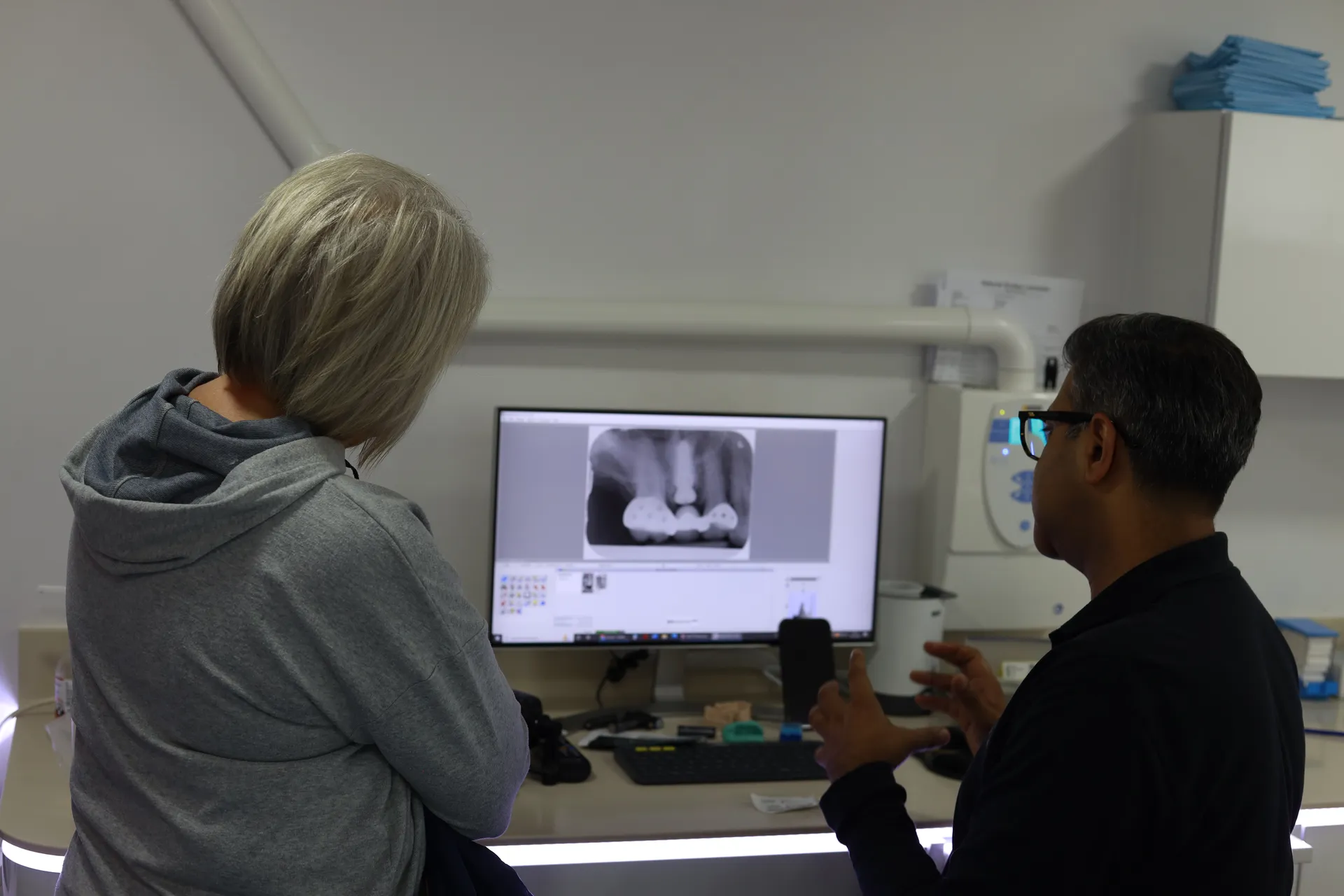
3. Layering and sculpting
Composite is applied in thin layers, each shaped and cured before the next is added. This is where artistry matters - small adjustments to texture and contour make a huge difference to the natural look.
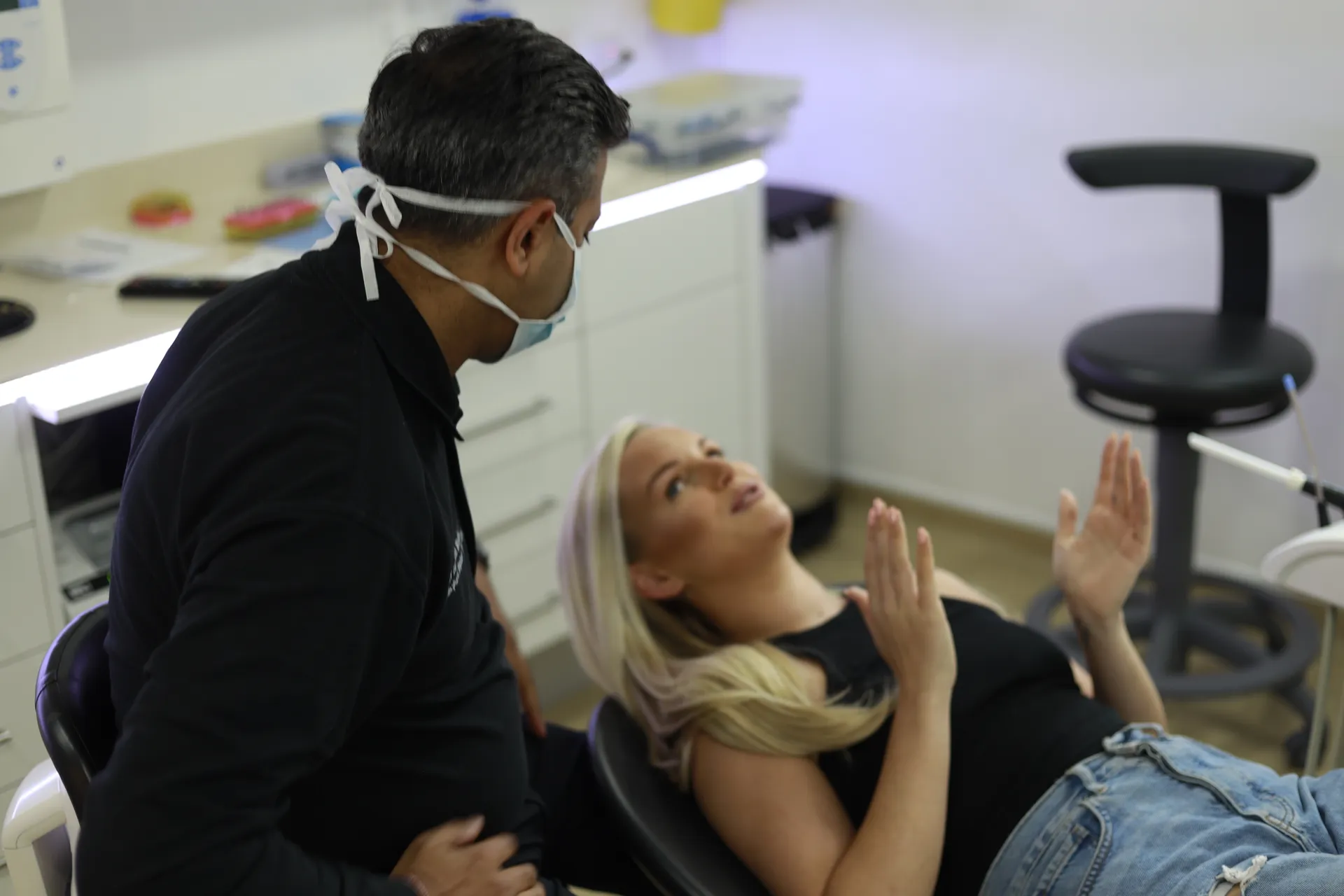
4. Polishing
The composite is polished to a high shine, with subtle surface texture added so it doesn't look flat or fake.
5. Final review
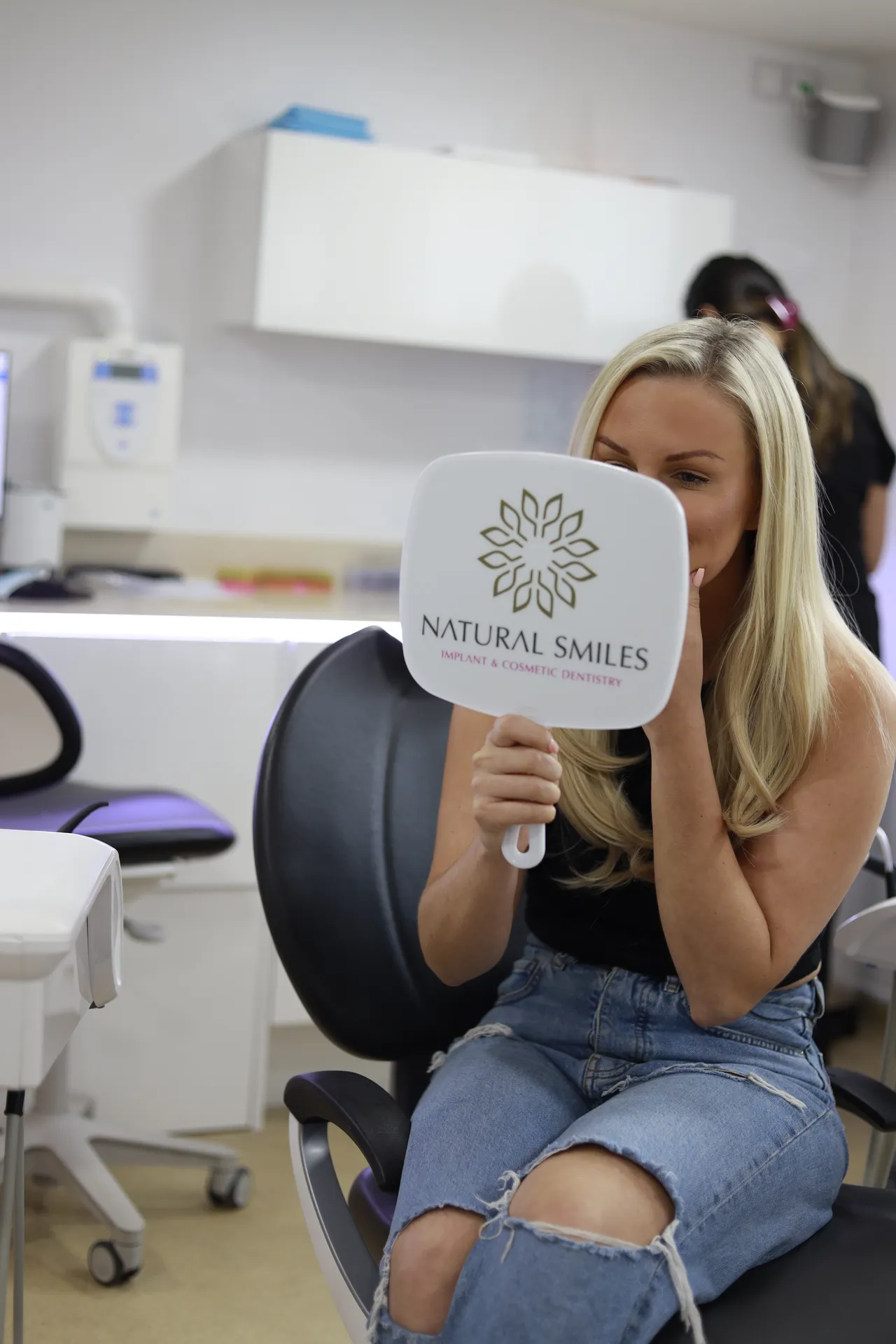
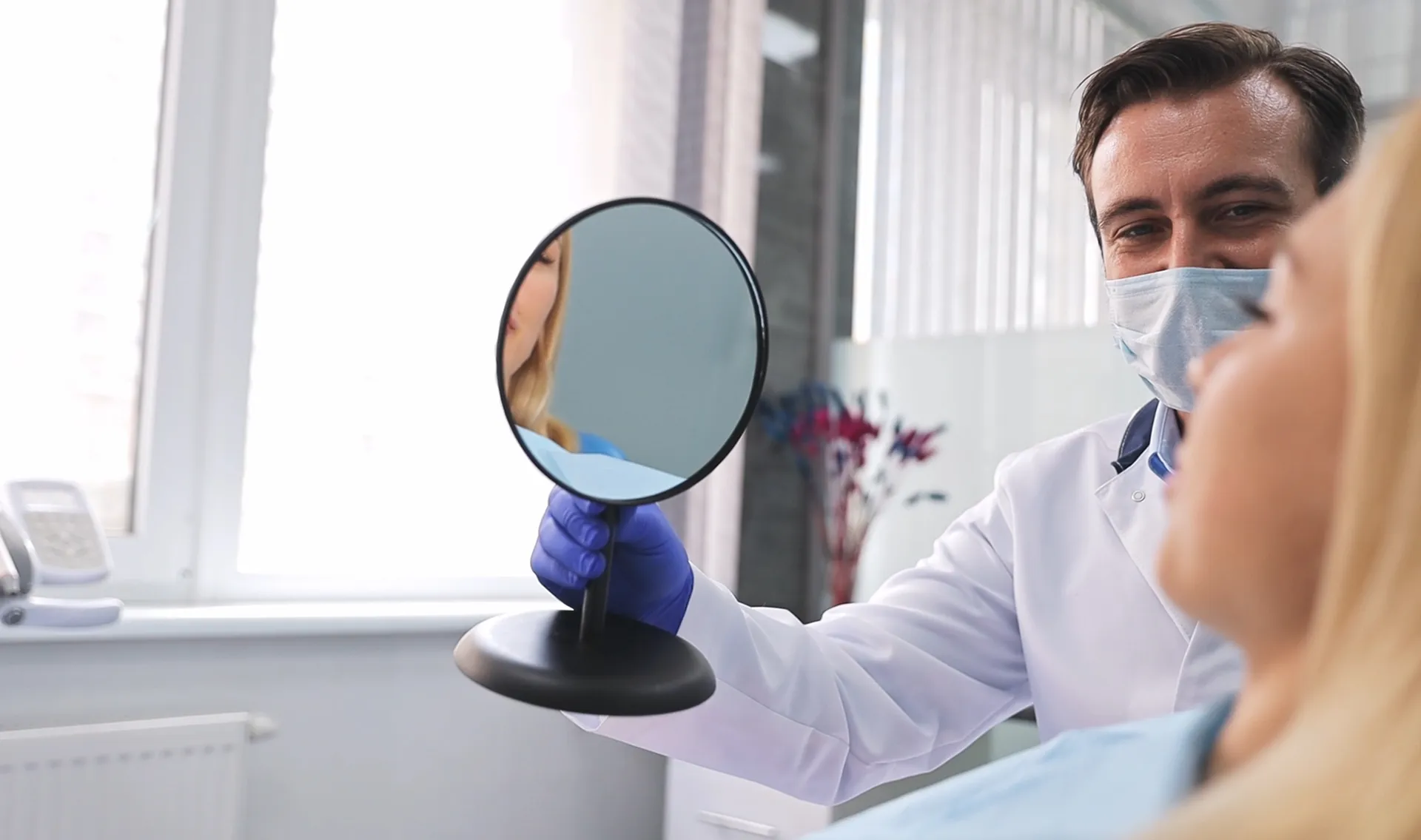
Bite check, photos, and a final smile in the mirror. If anything needs tweaking, we can do it on the spot.

How long does composite bonding last?
With good care, composite bonding typically lasts 5-7 years - some patients get longer, others may need refinement sooner. Unlike porcelain, composite is easy to repair, top up or re-polish without redoing the whole treatment. Think of it as a beautiful, refreshable finish rather than a permanent one.
Why choose Natural Smiles for composite bonding
Composite is only as good as the hand that sculpts it. Here's what makes our work different.
Cosmetic dentists with advanced training in composite artistry and smile design
Dr Anisha Mistry brings particular focus to minimally invasive cosmetic dentistry, including composite bonding
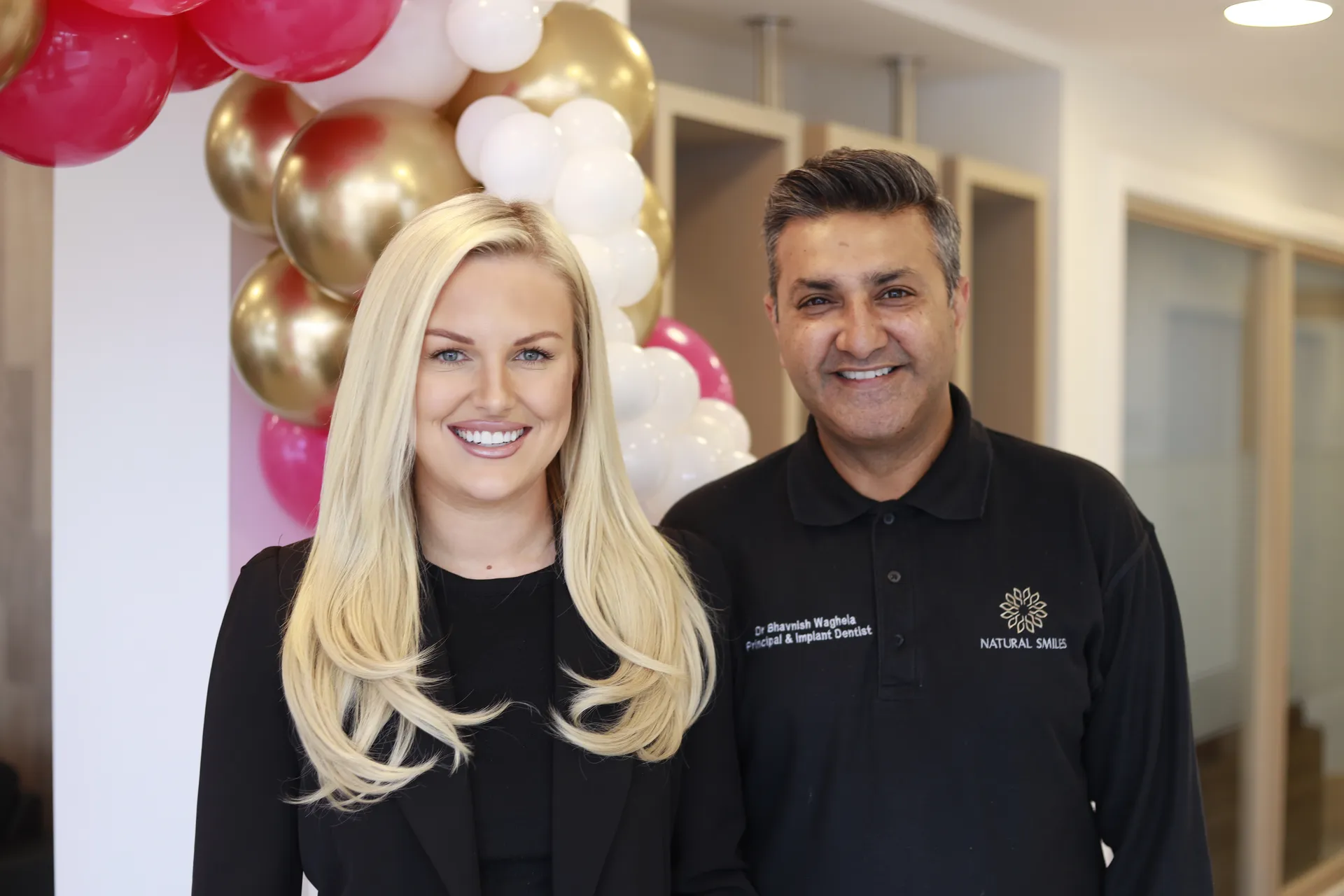
Dr Bhavnish Waghela's BACD background ensures the highest cosmetic standards
Enlighten Centre of Excellence for whitening that pairs perfectly with bonding
High-end composite materials for superior shine and longevity
Free initial consultation with no clinical pressure
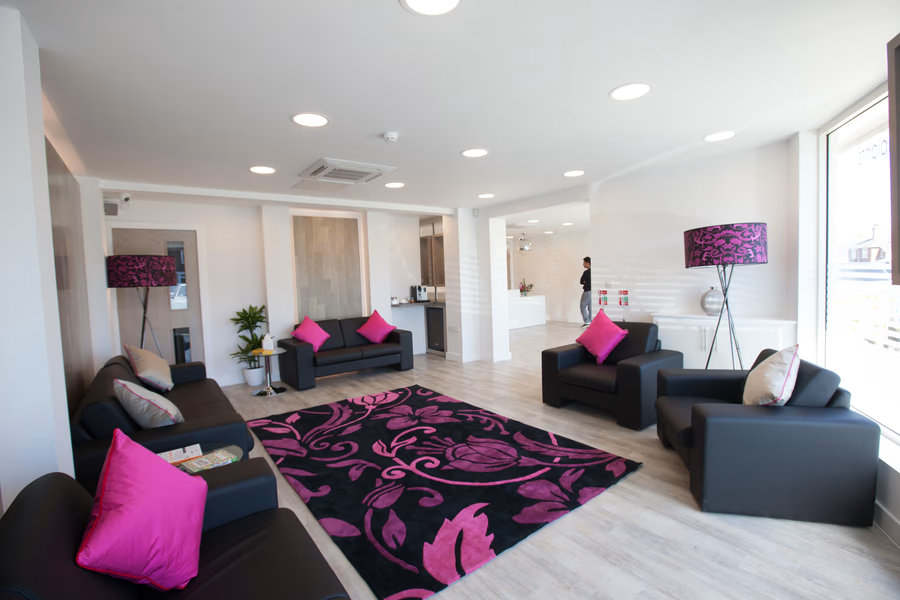
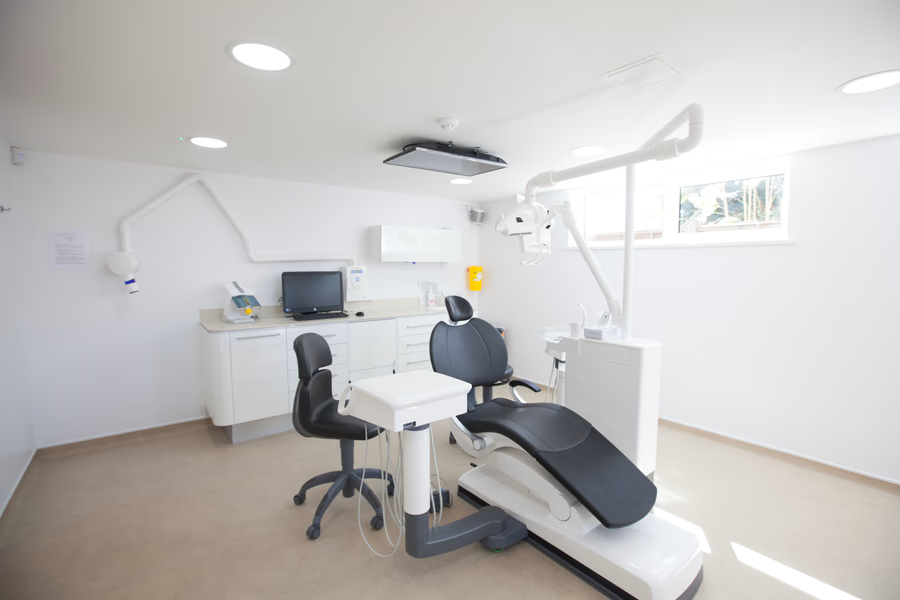
A modern, calm practice in Wigston with free parking
Caring for your composite bonding
Composite bonding looks after itself well with a few sensible habits.





Combining bonding with other treatments
Composite bonding works beautifully alongside other cosmetic treatments - and often produces better results than bonding alone. Common combinations include:
- Enlighten teeth whitening before bonding, so we can match the composite to your brightest natural shade
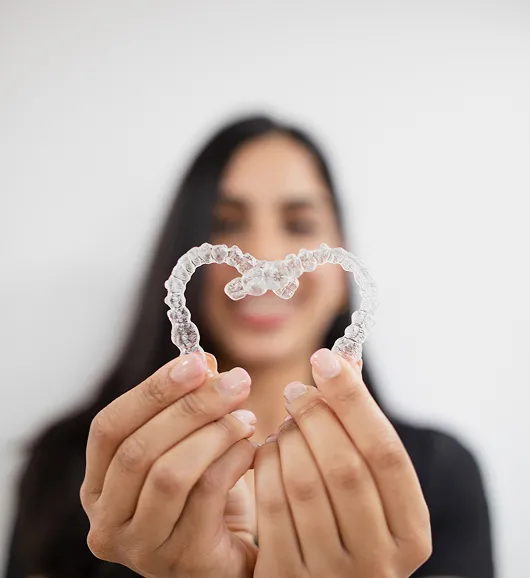
- Clear aligners first if your teeth need straightening - bonding then refines the final result
- A full smile makeover combining whitening, bonding and minor adjustments together
How much does composite bonding cost in Leicester?
Composite bonding is one of the most accessible cosmetic treatments we offer. Pricing depends on how many teeth are involved and how much shaping is needed. We'll always give you a written quote at your consultation, with options for finance through V12 - 0% over 12 months with no deposit, or longer-term plans.
Treatment
Non-members
fee
from
Members
from
Looking after smiles across South Leicester
We welcome patients from Wigston, Oadby, Knighton, Stoneygate, Great Glen, Kibworth, Market Harborough and Hinckley - many of them coming specifically for cosmetic work. Our practice on Leicester Road has free parking right outside and easy motorway access, making appointments simple to fit around the rest of your life.

.svg%201.png)

Frequently asked questions
Got a question about composite bonding? Here are some of the most common things our patients ask us.
Does composite bonding damage my teeth?
No. In most cases, no drilling or tooth structure removal is needed - the composite simply bonds to the surface of your existing teeth. This makes it one of the most conservative cosmetic treatments available.
Will my bonding look natural?
In skilled hands, yes - to the point most people can't tell. The composite is shade-matched to your existing teeth, layered for translucency, and shaped with subtle texture to mimic natural enamel. The artistry of the clinician makes the biggest difference.
How long does the appointment take?
Most bonding cases are completed in 1-3 hours, depending on how many teeth we're working on. Edge bonding on a few teeth might take an hour. A full composite veneer transformation on 8-10 teeth could take a full half-day.
Does it hurt?
Almost never. Because we're not drilling or removing tooth structure, most bonding appointments don't even require anaesthetic. You'll just sit back, relax and let us work.
Can composite bonding be removed?
Yes - because no tooth structure is removed in most cases, composite bonding is largely reversible. If you ever want to go back to your natural teeth (or upgrade to porcelain later), the composite can be removed.
Will it stain over time?
Composite is more stain-prone than porcelain, but modern materials are far better than they used to be. Heavy tea, coffee, red wine and smoking will dull it faster. Regular hygiene visits and good home care keep it looking fresh, and any staining that does occur can usually be polished off.
Should I whiten my teeth before bonding?
Often, yes. Composite can't be whitened later, so it's usually best to brighten your natural teeth first and then match the composite to that lighter shade. We'll discuss the right sequence at your consultation.
Does composite bonding damage my teeth?
No. In most cases, no drilling or tooth structure removal is needed - the composite simply bonds to the surface of your existing teeth. This makes it one of the most conservative cosmetic treatments available.
Will my bonding look natural?
In skilled hands, yes - to the point most people can't tell. The composite is shade-matched to your existing teeth, layered for translucency, and shaped with subtle texture to mimic natural enamel. The artistry of the clinician makes the biggest difference.
How long does the appointment take?
Most bonding cases are completed in 1-3 hours, depending on how many teeth we're working on. Edge bonding on a few teeth might take an hour. A full composite veneer transformation on 8-10 teeth could take a full half-day.
Does it hurt?
Almost never. Because we're not drilling or removing tooth structure, most bonding appointments don't even require anaesthetic. You'll just sit back, relax and let us work.
Can composite bonding be removed?
Yes - because no tooth structure is removed in most cases, composite bonding is largely reversible. If you ever want to go back to your natural teeth (or upgrade to porcelain later), the composite can be removed.
Will it stain over time?
Composite is more stain-prone than porcelain, but modern materials are far better than they used to be. Heavy tea, coffee, red wine and smoking will dull it faster. Regular hygiene visits and good home care keep it looking fresh, and any staining that does occur can usually be polished off.
Should I whiten my teeth before bonding?
Often, yes. Composite can't be whitened later, so it's usually best to brighten your natural teeth first and then match the composite to that lighter shade. We'll discuss the right sequence at your consultation.
Reshape your smile in a single visit
Book an appointment for:
- Dental check-up
- Hygiene appointment
- Dental emergency
- Teeth whitening