Implant-retained dentures in Leicester
A denture that finally stays put. Snap-on stability supported by dental implants, transforming everything from eating to confidence. For patients who've had enough of slipping, sore gums and adhesive.
Implant experience
Implants placed
Fast adjustments
If you're done with loose dentures, this is for you
Conventional dentures look fine in the bathroom mirror. The real test comes at dinner with friends, on a windy day, or halfway through a meeting when something starts to slip. For thousands of patients, dentures aren't a solution - they're a daily compromise. Sore gums. Pastes and powders. Foods you can't eat. Conversations you avoid because you're worried about your teeth moving.
Implant-retained dentures change all of that. By anchoring your denture onto a small number of dental implants, we give you the stability you've been missing - without the cost of a full fixed bridge.
Trusted by our patients

From when you arrive, you are welcomed by a lovely smiling receptionist, then the staff and then Mr. Waghela, everyone is so helpful and kind.
Natural Smiles is the place to go! Brilliant service and staff. Bhavnish has been amazing and went through everything in detail from start to finish for my tooth implant. So impressed with the implant and the overall experience. Thank you.
Well it's always clean and spotless, the staff are very polite and welcoming. Dr Waghela is honest and straightforward to the point if anything needs doing. Highly recommend using Natural Smiles.
Would highly recommend Natural Smiles they are brilliant. All staff and Anmol Bal have been superb from start to finish. I enjoy visiting as the practice always feels so positive and welcoming. Thank you.
After a poor experience with an NHS practice, I decided to give Natural Smiles Leicester a call, after a referral from a friend. The entire staff are fantastic and although I am nervous of the dentist, I found everyone welcoming and professional, from the time I walked in, and throughout my treatment. The office is always clean and welcoming and I cannot speak highly enough of Dr Bal and her team.
I would like to thank Anubha and Aman at Natural Smiles Leicester. I have just finished my Invisalign treatment. I am happy with my treatment, the practice staff are friendly and bubbly. I felt at ease in their care, they delivered in helping me achieve the smile I have always wanted.
Had some fillings, whitening and composite bonding done here by Dr Anmol. Her work is amazing and she's so friendly and patient. I felt at ease straight away and my teeth now look awesome. So happy with them. Kizzy and Amy are lovely too. I will definitely be visiting again in the future for check ups!
I recently completed my dental treatment at Natural Smiles (Leicester) and I couldn't be happier with the results! For the treatment, I wore aligners and did composite bonding now my teeth look absolutely amazing! Their team is incredibly professional and polite. They made me feel very comfortable and ensured I was informed every step of the way. I highly recommend Natural Smiles to anyone looking for top-notch dental care.
What are implant-retained dentures?
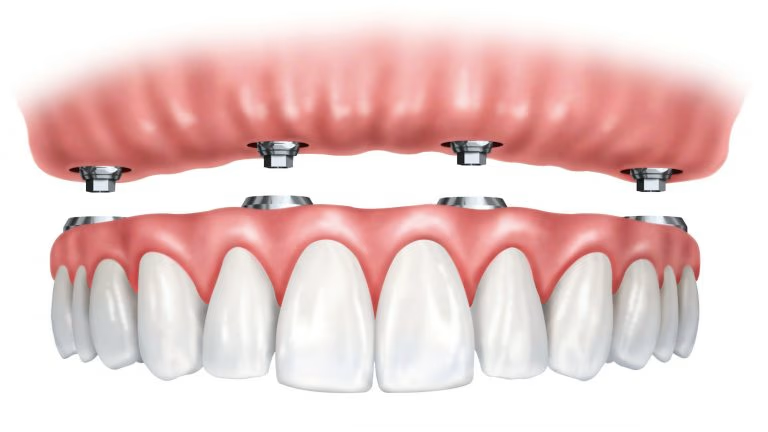
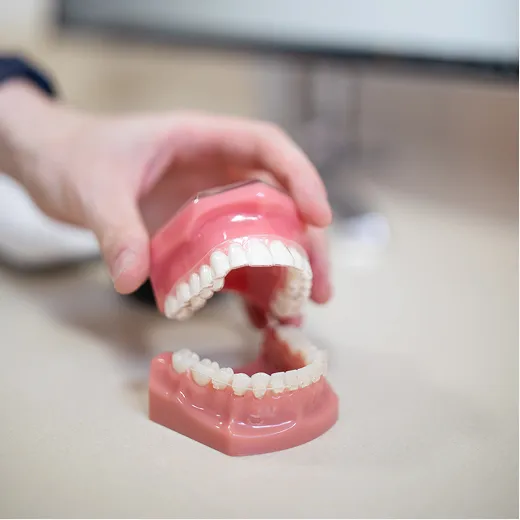
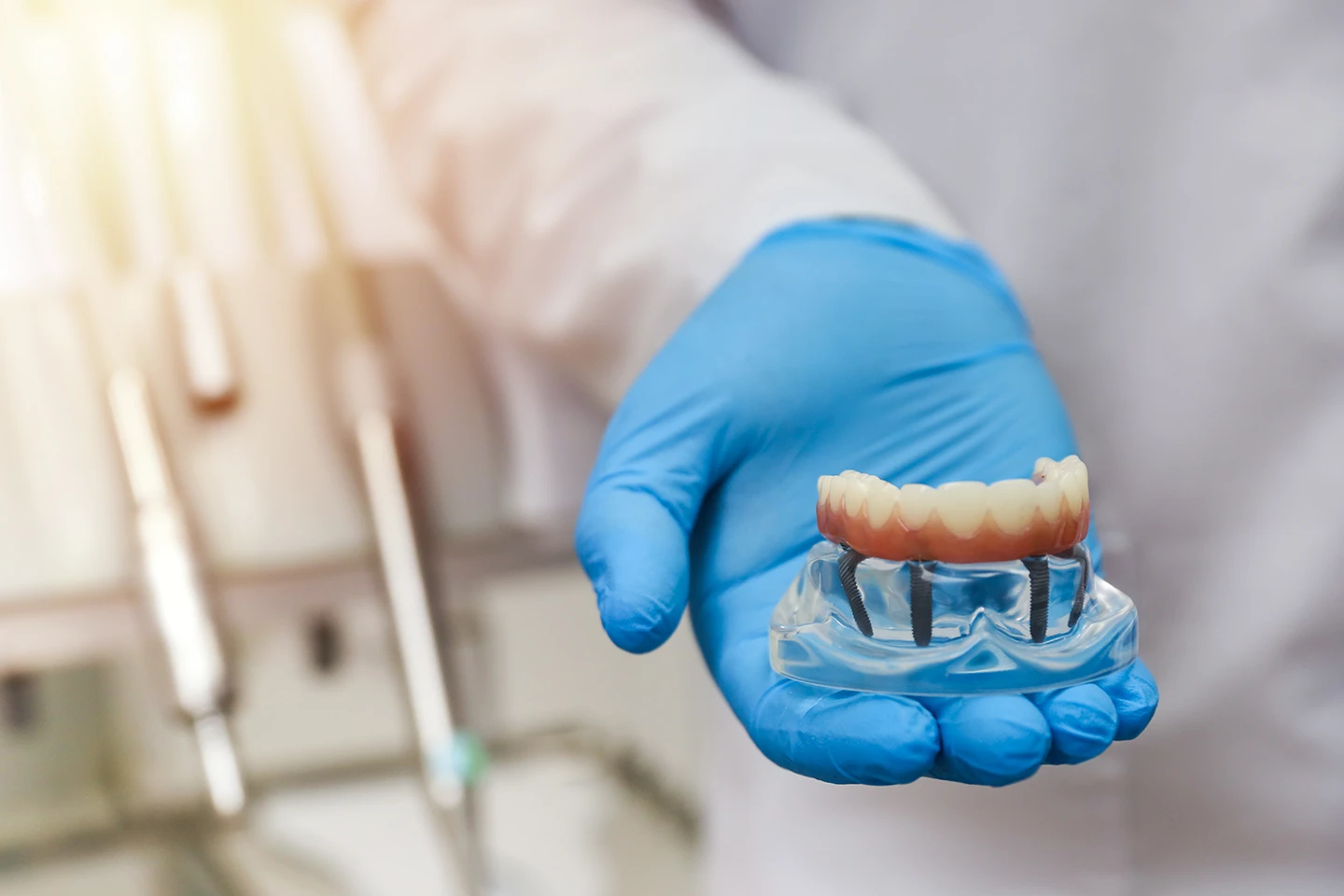
An implant-retained denture is a removable denture that clips securely onto dental implants. Typically, two to four implants are placed in the jaw, and the underside of your denture has matching attachments that snap firmly onto them.
You take it out to clean it at night, but during the day it stays exactly where it should. No movement when you eat. No whistling when you speak. No anxiety about it coming out at the wrong moment.
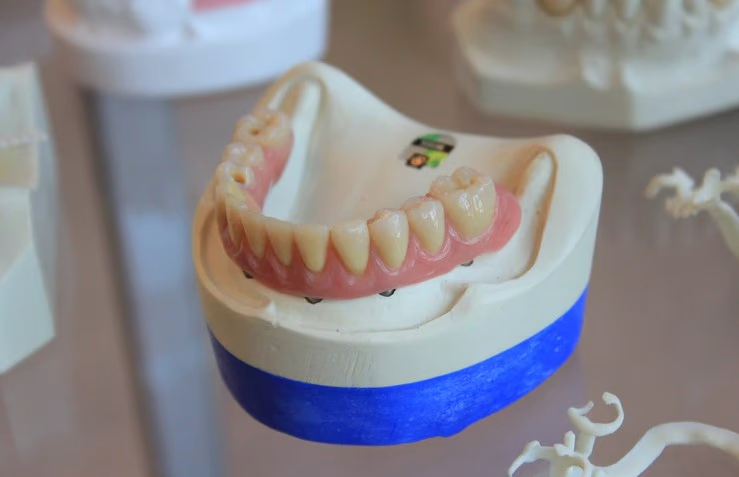
How it differs from a traditional denture
Side by side, the difference is striking - both in feel and in what it means for your daily life.
Traditional dentures
- Held in place by suction, adhesive or just luck
- Often move when you eat or speak
- Cover the roof of your mouth (uppers) which affects taste and feel
- Accelerate bone loss over time - because there's nothing stimulating the bone
- Need frequent relining as your jaw shape changes
Implant-retained dentures
- Securely clipped onto implants that act like artificial tooth roots
- Stay in place during eating, talking and everyday activities
- Can often be designed without covering the palate, restoring full taste
- Preserve bone by stimulating it the way natural teeth do
- Need less adjustment over time because the underlying support is fixed
Why patients tell us it's life-changing
This isn't a small upgrade - it's a fundamental shift in how you live with replacement teeth.
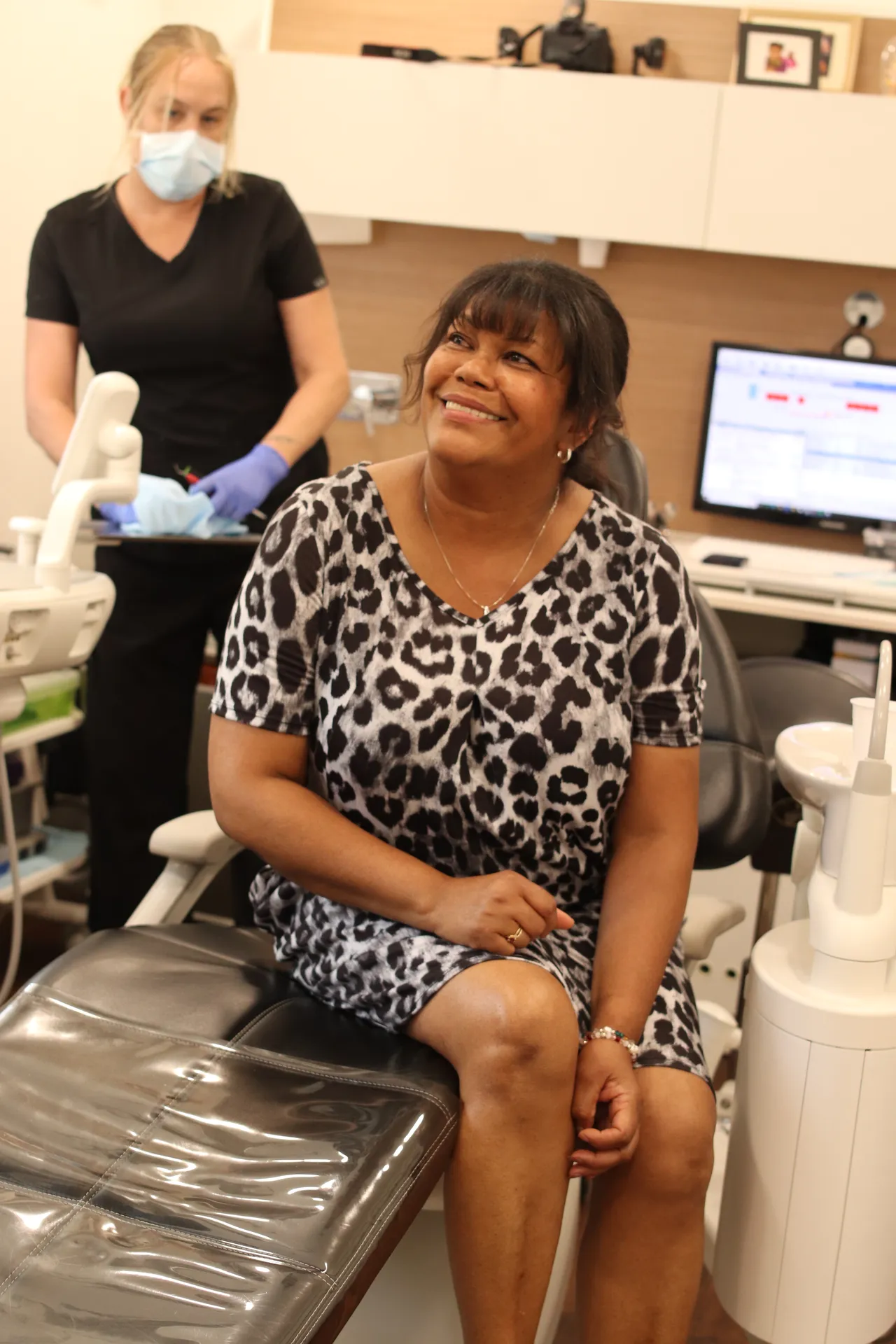
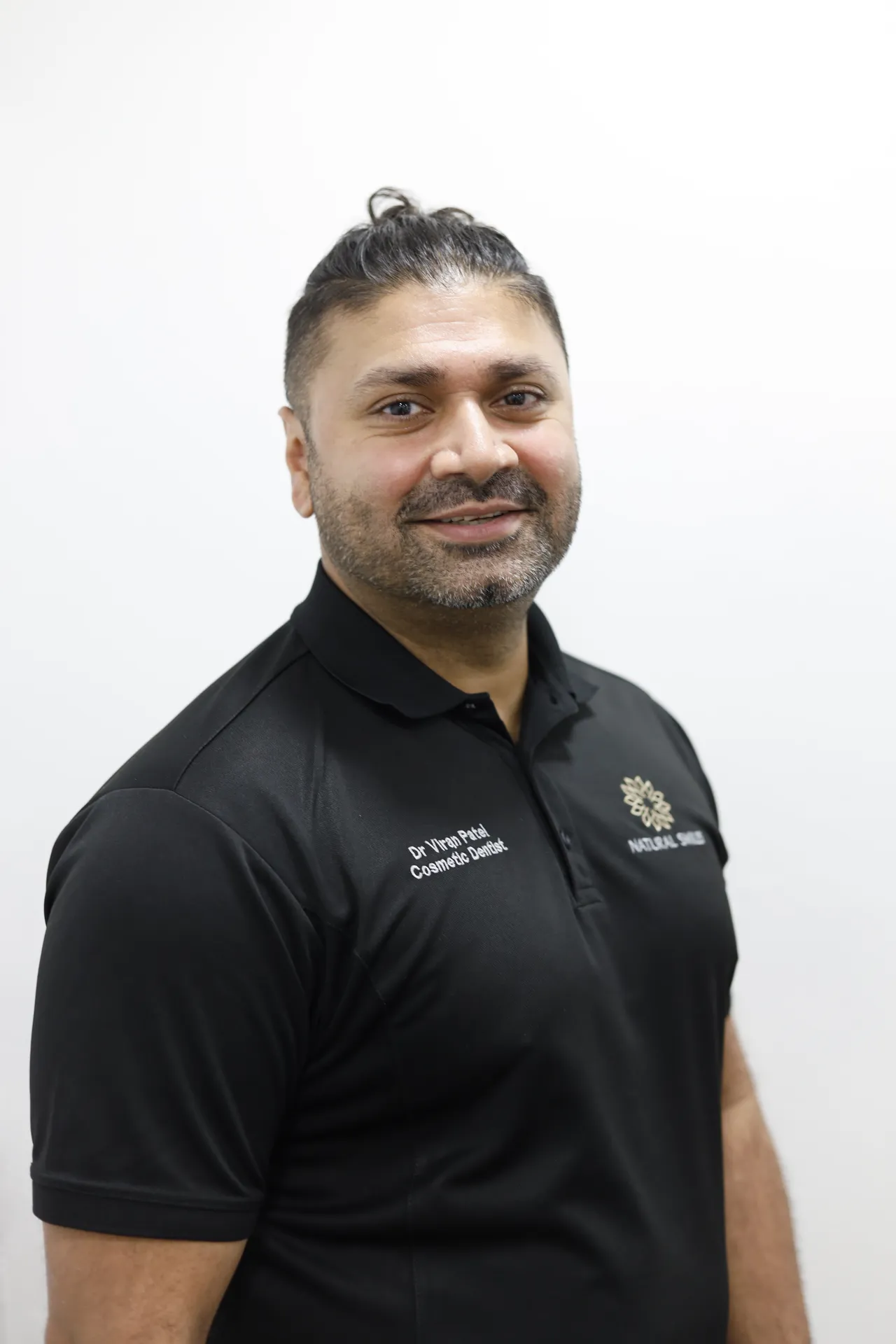

Implant-retained vs fixed full arch - which is right for you?
Both treatments use implants to replace a full arch of teeth, but they're suited to different patients and budgets.
Implant-retained dentures
Removable. Typically uses 2-4 implants. More affordable. You take it out to clean. Designed for patients who want a major upgrade from their current denture without the higher cost of a fully fixed solution.
Fixed full arch implants (All-on-4)
Permanently fixed. Uses 4-6 implants. More expensive. Doesn't come out at all - cared for like natural teeth. Designed for patients who want the closest possible feel to their original teeth. See our All-on-4 page for more.
We'll talk through both options at your free consultation and help you choose the right approach for your situation, lifestyle and budget.
What treatment involves
Implant-retained denture treatment is typically a phased process spread over several months - though the wait is well worth it.
1. Free consultation and assessment
A relaxed conversation with our treatment coordinator about your current denture experience, what you want to change, and whether this treatment is right for you.
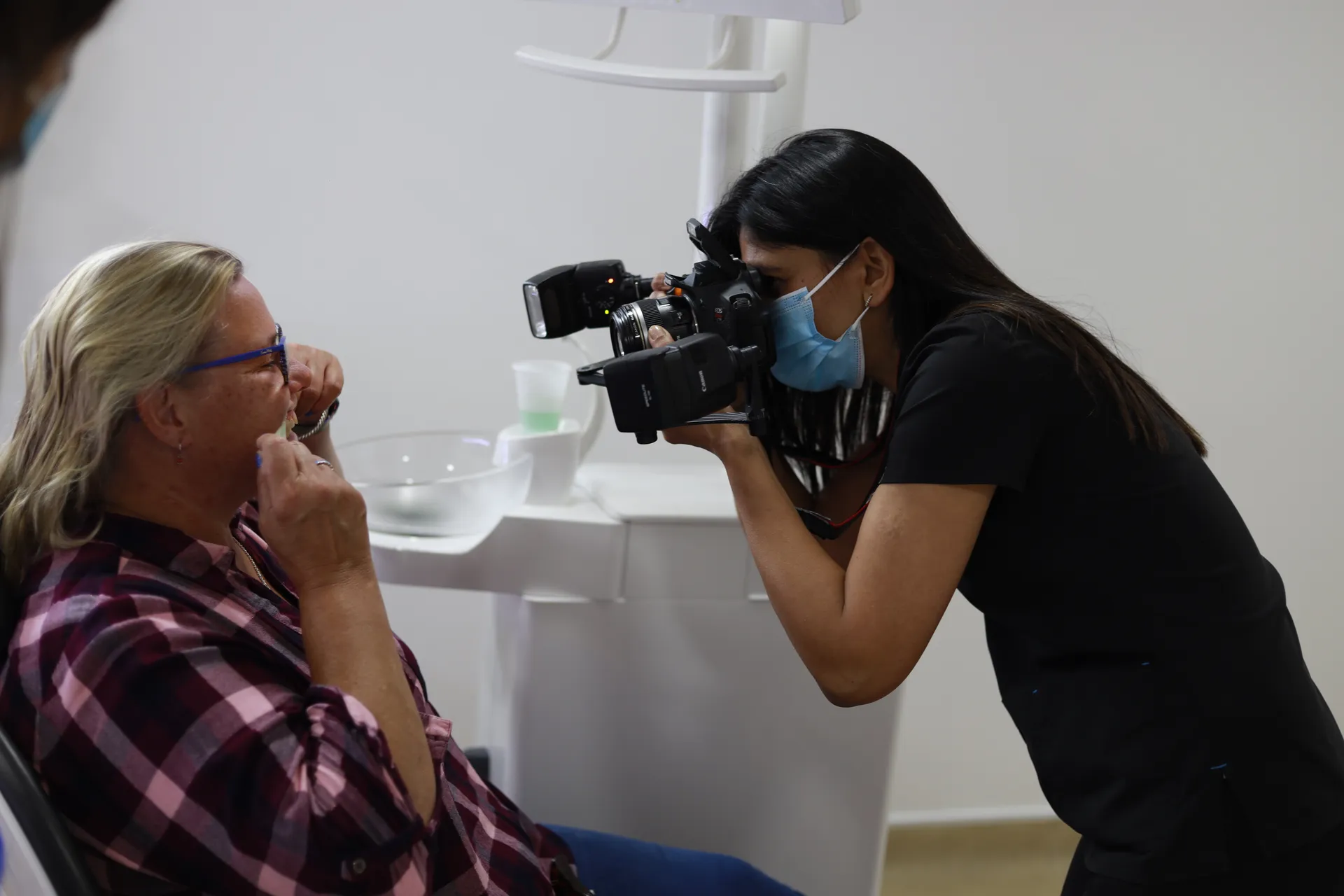
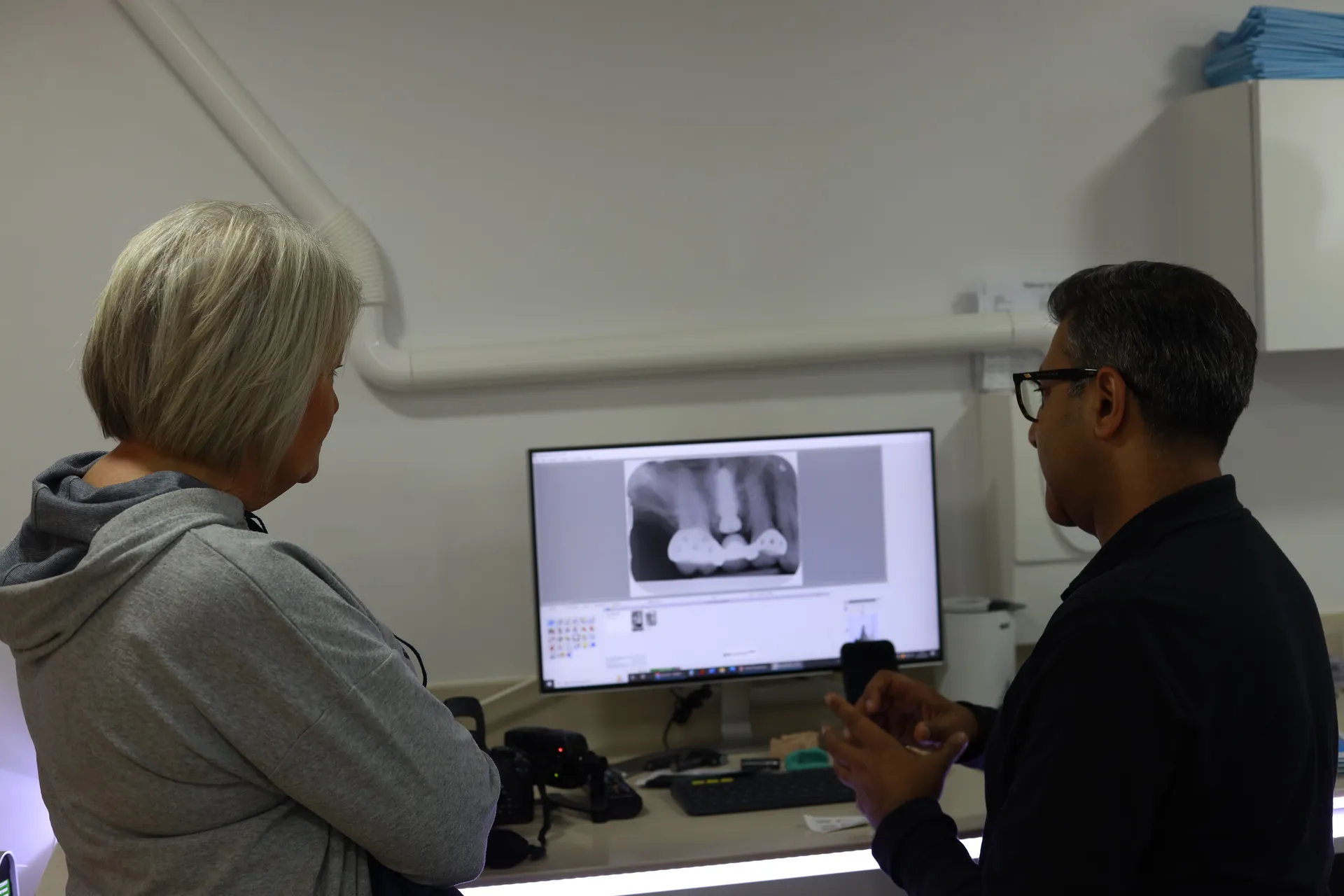
2. Detailed clinical examination
Full exam with CBCT scanning, 3D impressions, X-rays and a comprehensive treatment plan. Our in-house diagnostic capability means we can plan implant placement with millimetre precision.
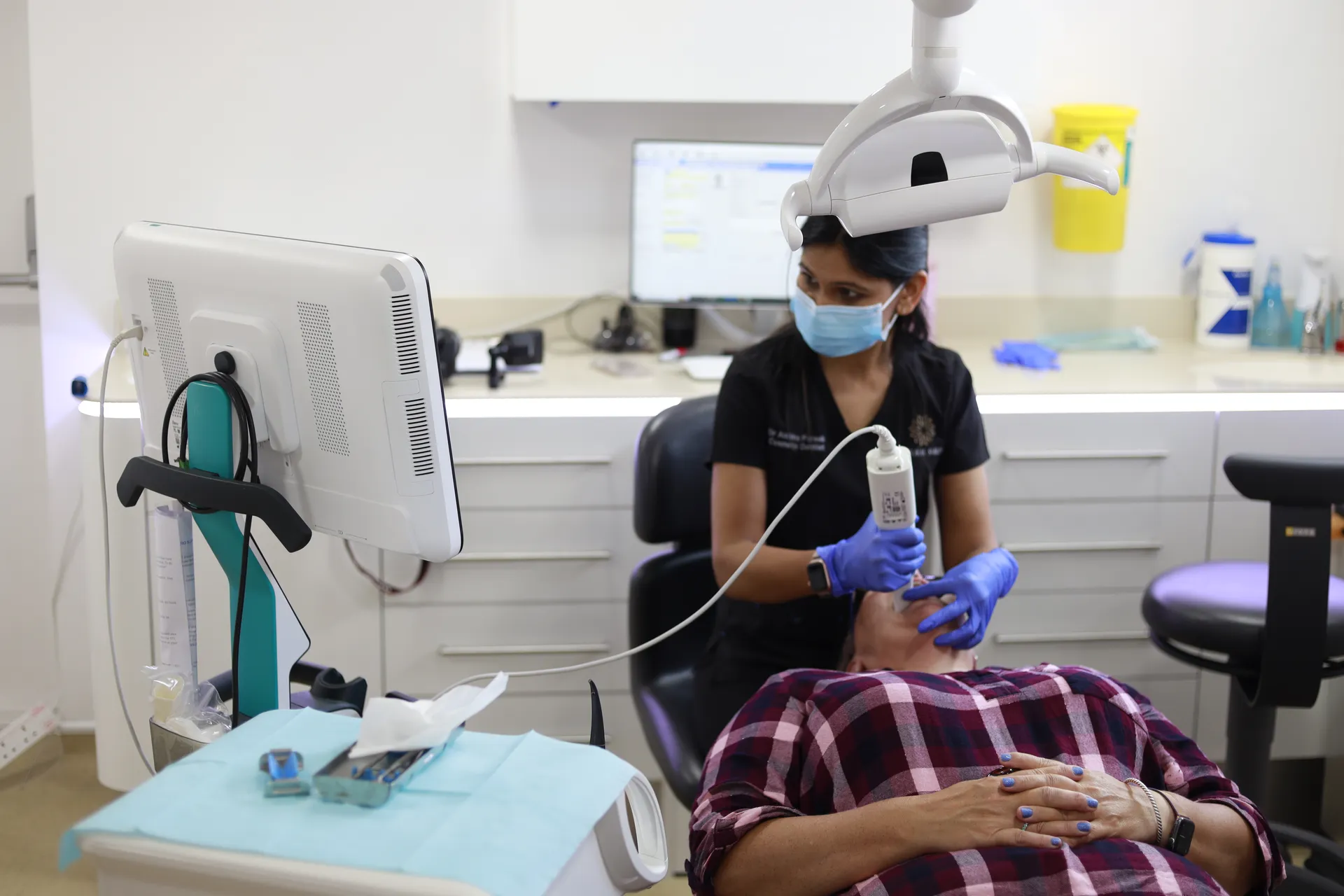
3. Implant placement
Implants are placed under local anaesthetic, with IV sedation available if you'd prefer to be deeply relaxed. You'll usually wear your existing denture (adjusted as needed) while the implants heal.
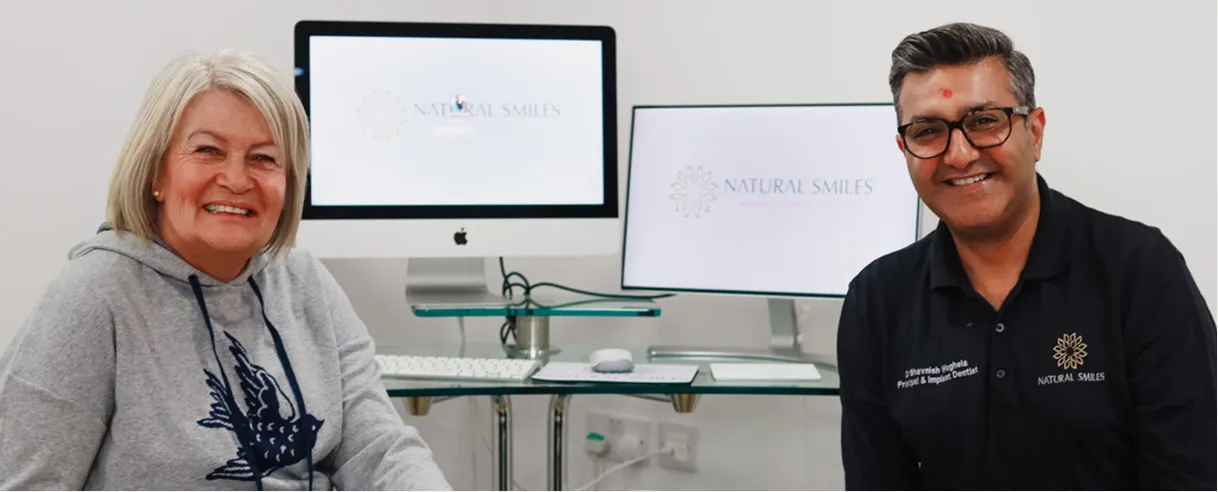
4. Healing period
Typically 3-4 months while the implants integrate with your bone. We see you at intervals to make sure everything's progressing well.
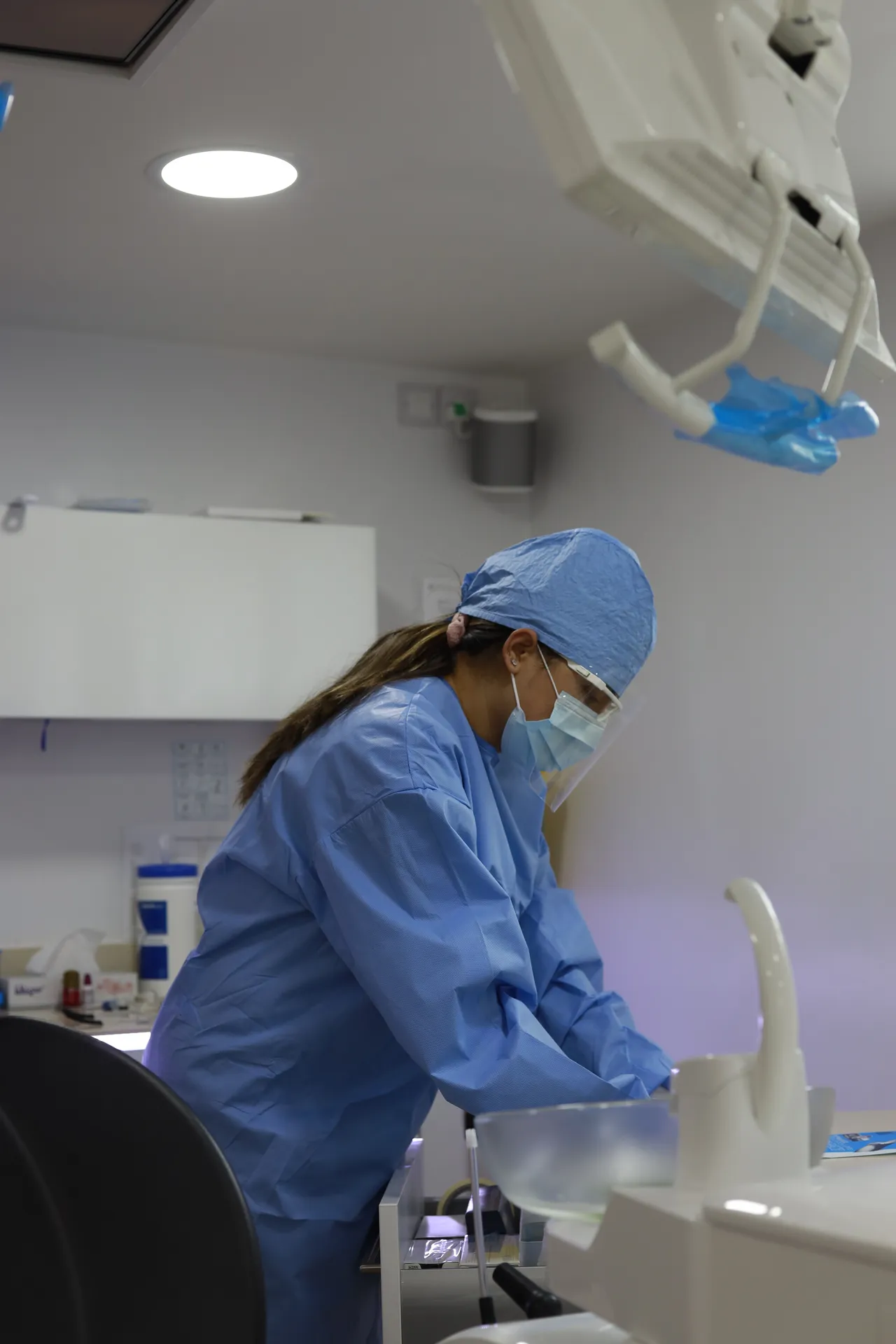
5. Fitting your new denture
Your new precision-fitted denture is connected to the implants with secure clip attachments. You'll learn how to insert, remove and clean it. We'll fine-tune the fit until it feels perfect.
Why choose Natural Smiles for your implant denture
Done well, an implant-retained denture is one of the most satisfying treatments in dentistry. The fit, the bite, the comfort - all of it depends on careful planning and execution.
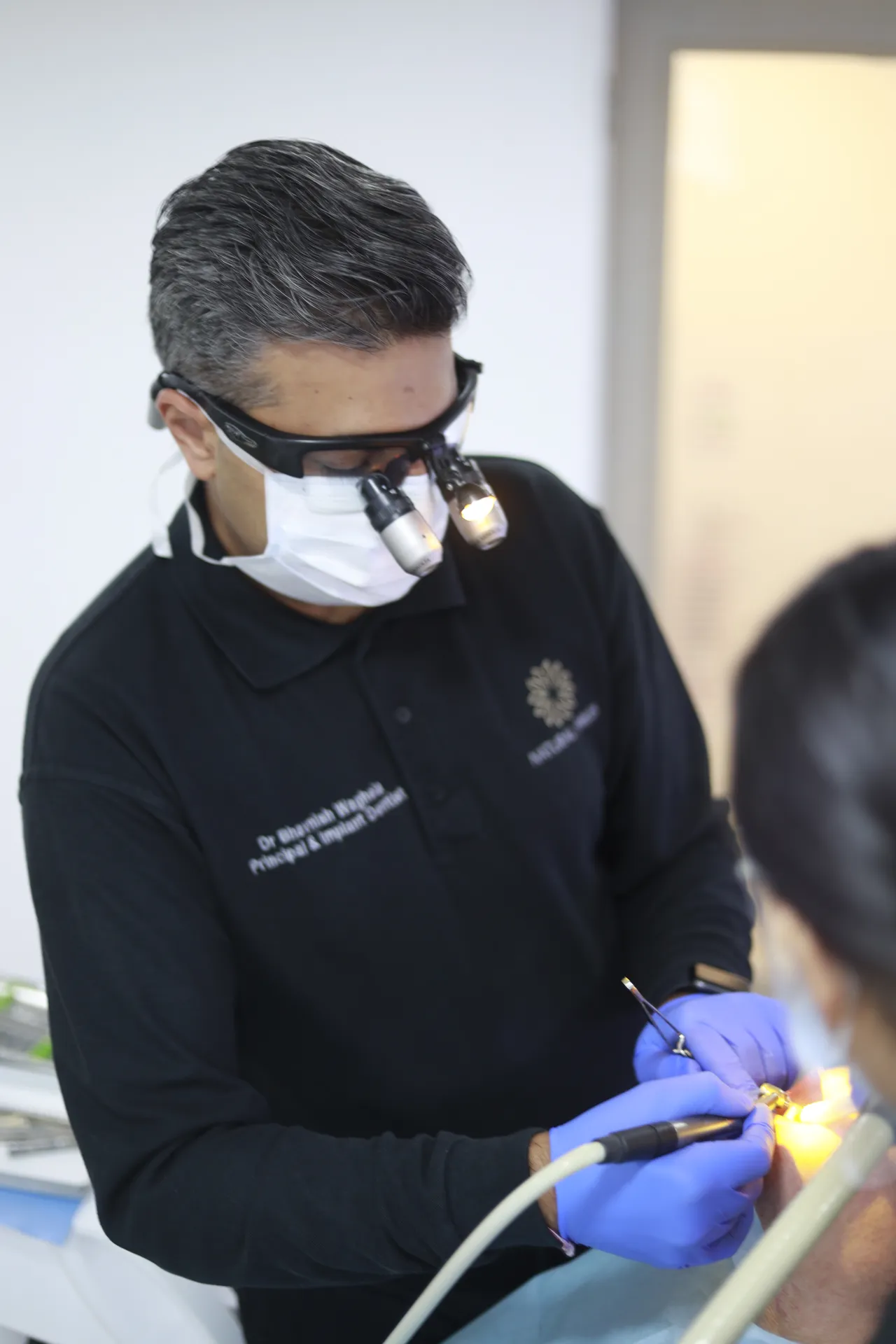
Dr Bhavnish Waghela has placed over 6,000 implants with a 98% success rate
20+ years of focused implant practice
In-house CBCT for precise implant planning
Fully digital workflow - including the most digital denture-making process available in the UK
Onsite mini dental lab for faster turnarounds and refinements
IV sedation available for nervous patients
Treatment coordinator as your single point of contact
Free initial consultation with a complete cost breakdown
Daily care - simple and quick
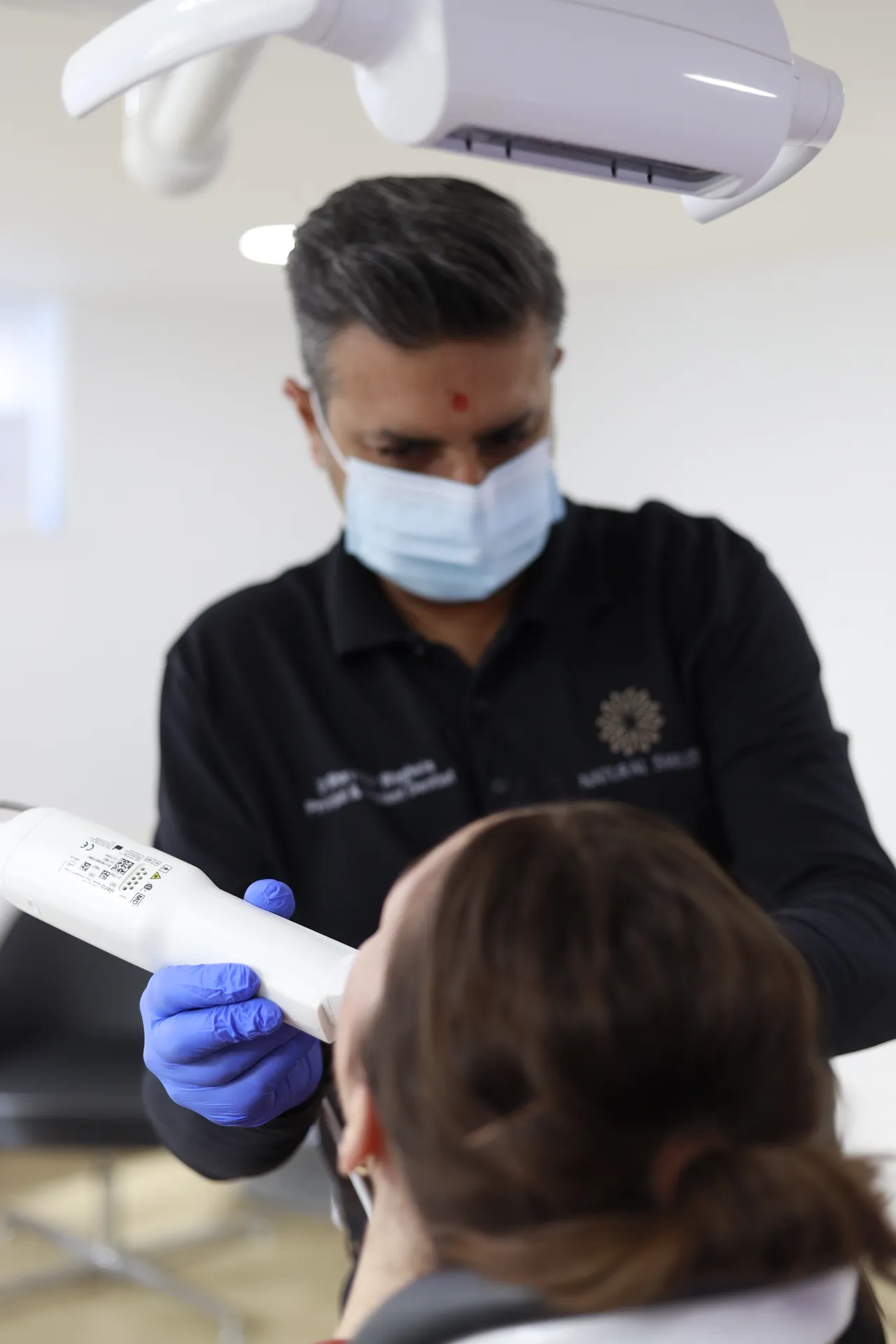
We use cutting-edge digital technology to plan and deliver your treatment with exceptional precision. This allows for more accurate diagnostics, fewer appointments and faster turnaround times, without compromising on quality.
-1920.webp)
How much do implant-retained dentures cost in Leicester?
Implant-retained dentures sit between standard dentures and fully fixed arch treatment in terms of cost. We'll give you a full written quote at consultation, with options to spread the cost through V12 finance: 0% over 12 months with no deposit, or longer-term plans up to five years at 9.9% APR.
Treatment
Non-members
fee
from
Members
from
Supporting patients across Leicestershire
We welcome patients from across South Leicester and beyond - Wigston, Oadby, Knighton, Stoneygate, Great Glen, Kibworth, Market Harborough, Hinckley. Free parking is right outside the practice. For patients who can't always travel in person, remote check-ins and Loom video updates keep things straightforward.
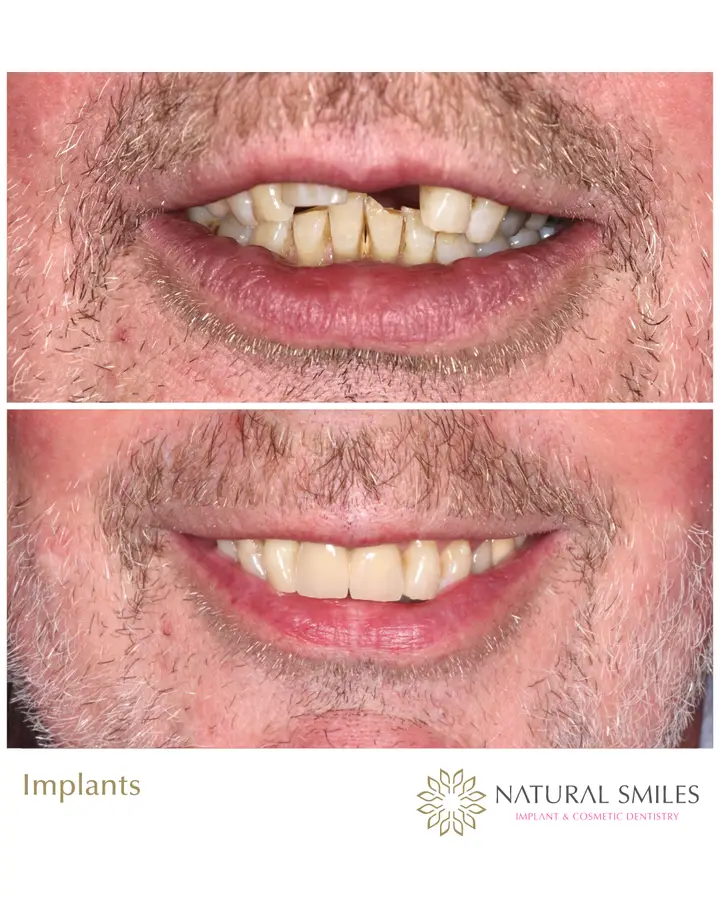
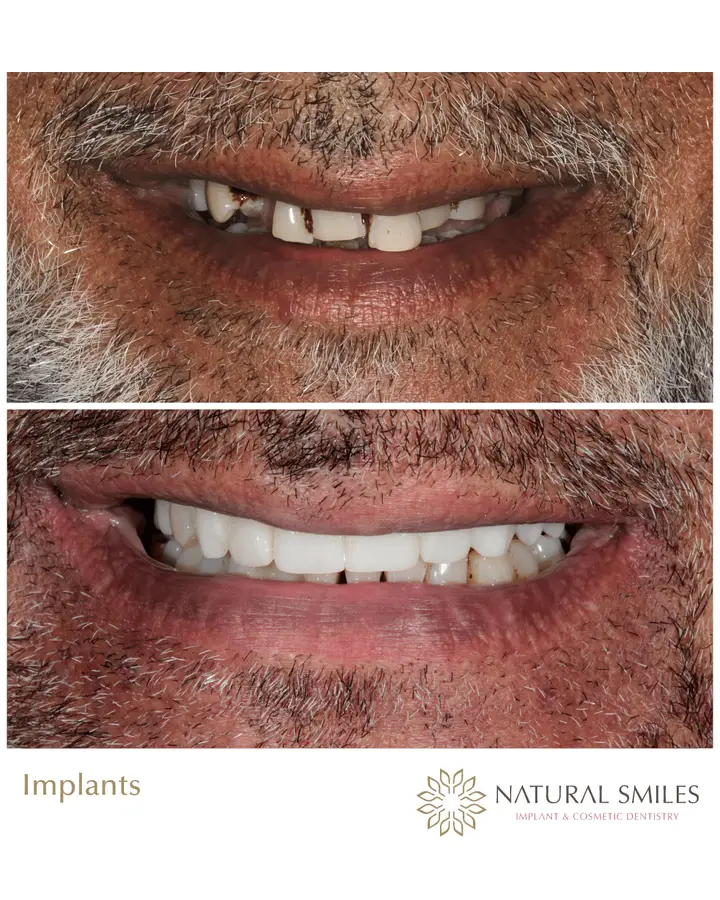
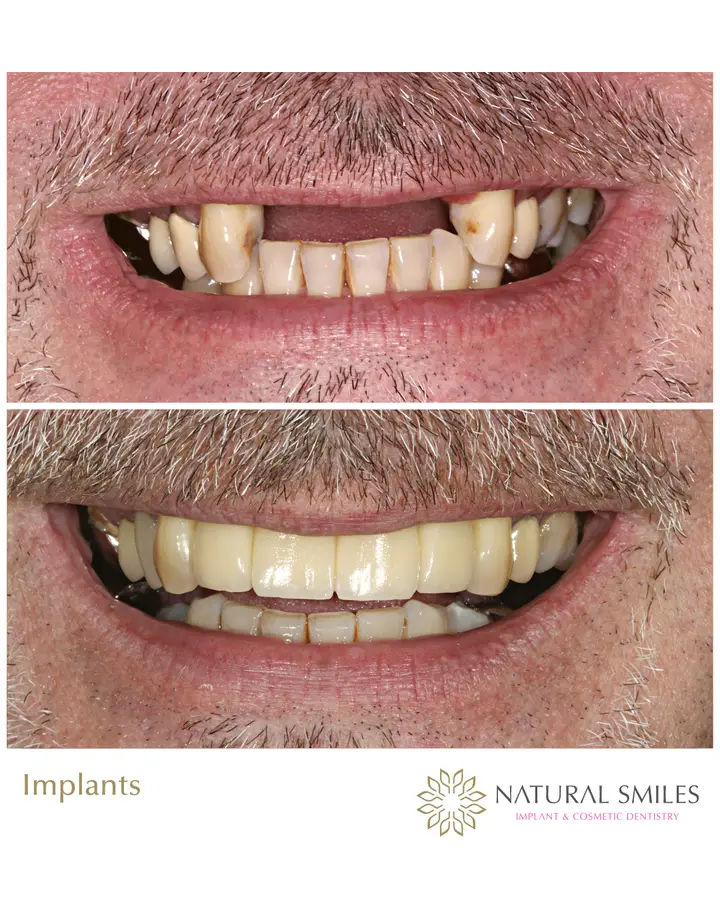
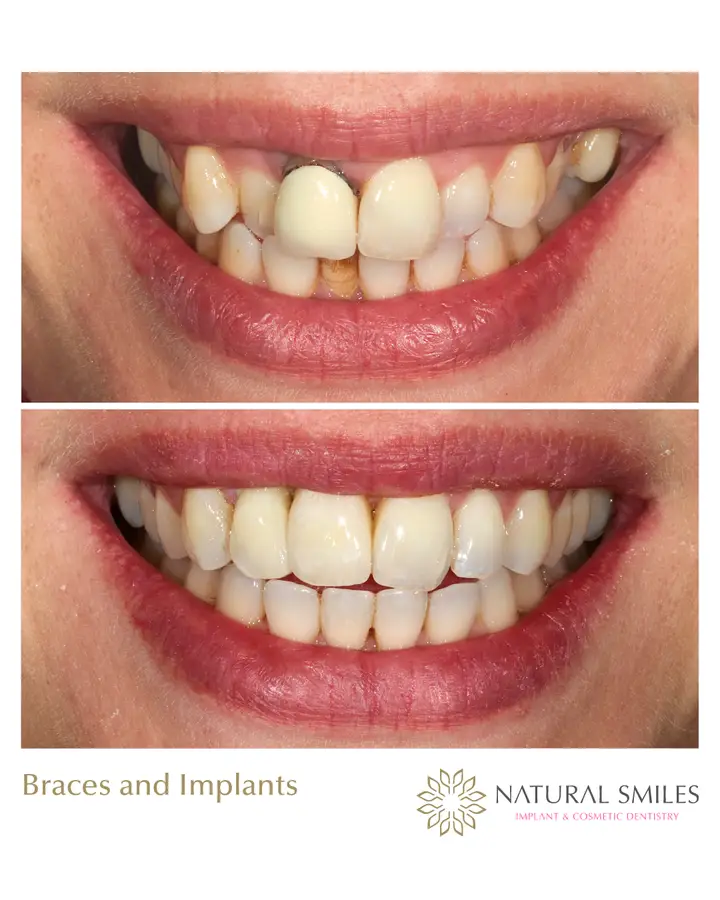
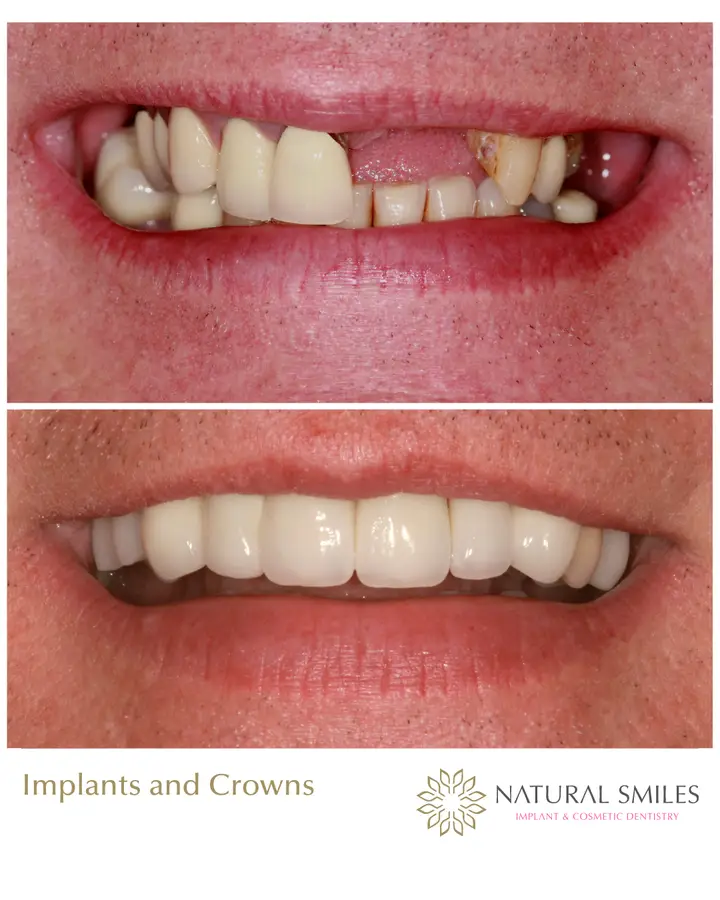
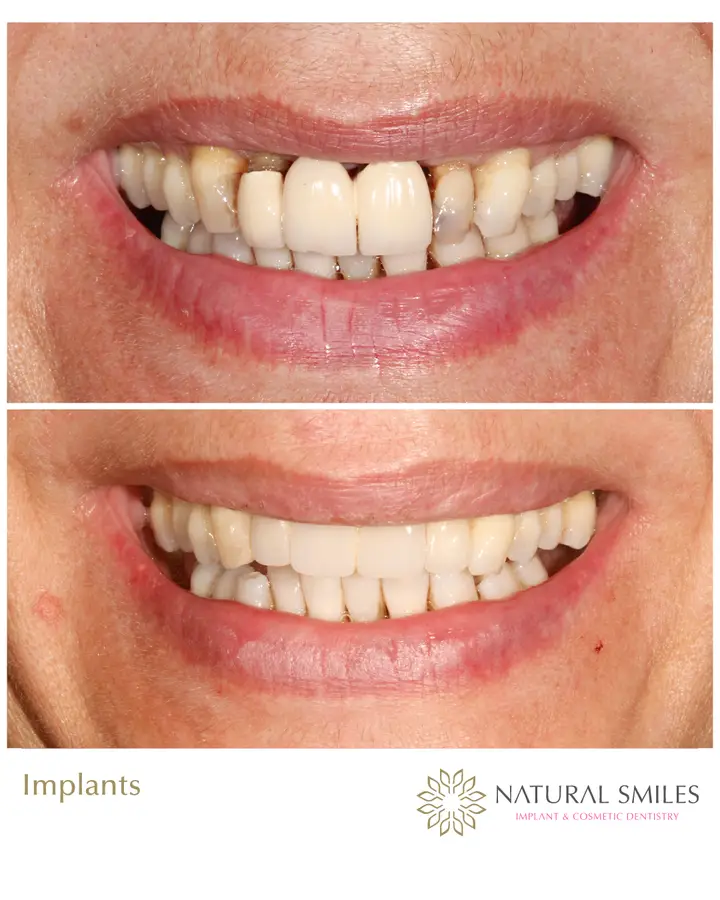
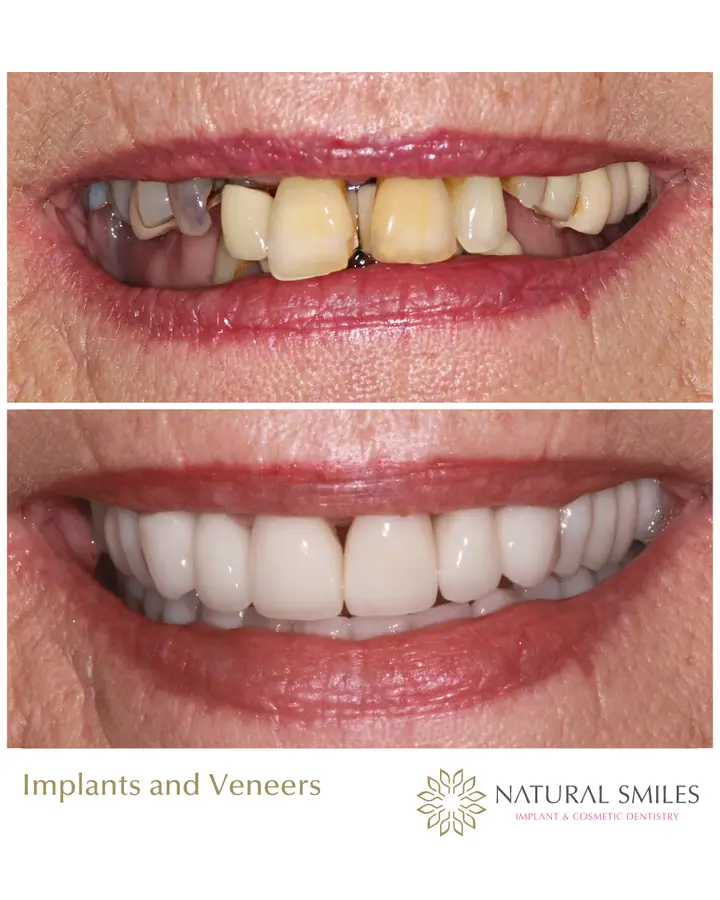
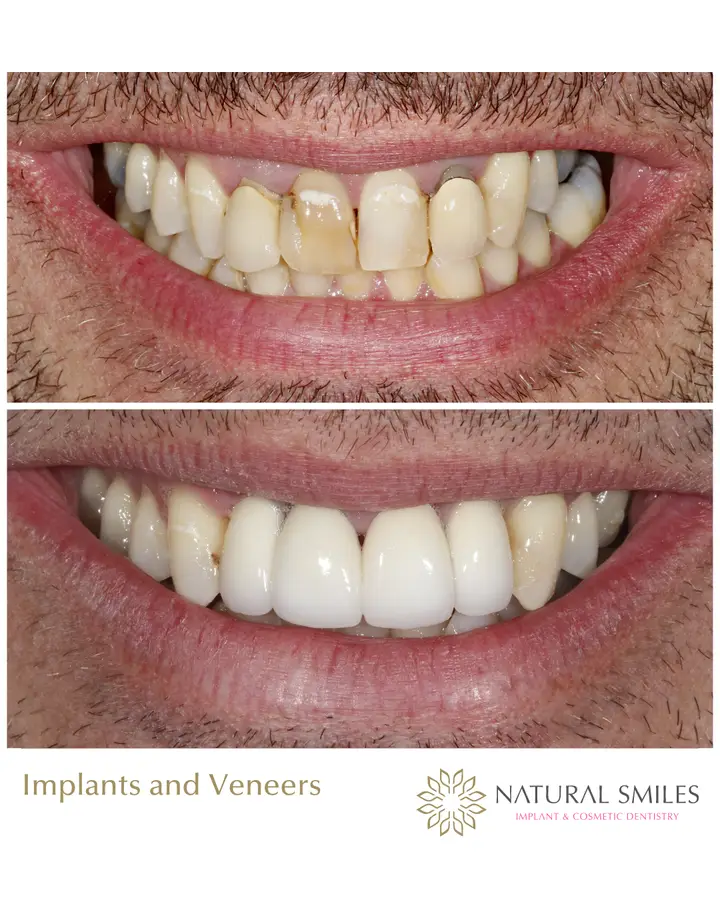
Real stories from patients who wanted to feel like themselves again
.svg%201.png)

Frequently asked questions
Will my new denture really not move?
With well-planned implants and a precision-fitted denture, no. The clip mechanism holds the denture firmly against the implants, with movement that's measured in fractions of a millimetre rather than the inches that loose dentures can shift. Most patients describe the difference as transformative.
Can I sleep with it in?
Most patients take their denture out overnight to give their gums and the implant sites a rest. This also lets you clean it thoroughly and check everything looks healthy. We'll go through your specific situation at your fitting appointment.
How long do the implants last?
With good care - and especially with regular hygiene visits - dental implants typically last decades. Many of our patients still have their original implants 15-20 years on. The denture itself may need replacing or refurbishing over time, but the implants underneath usually remain solid.
What if I don't have enough bone for implants?
This is more common than you might think, especially in patients who've worn dentures for years. Our in-house CBCT gives us a clear picture of your bone, and Dr Waghela's experience means we can usually find a way forward - whether that's careful implant positioning, smaller implants, or localised bone regeneration where needed.
How quickly will I see results?
Your new denture itself is fitted only once your implants have healed - typically 3-4 months after placement. Before that, you'll wear an adjusted version of your existing denture. Once your new implant-retained denture is in, the improvement is immediate and dramatic.
Is treatment uncomfortable?
Most patients describe the implant placement appointment as far easier than expected - much less disruptive than having teeth removed. Local anaesthetic and IV sedation (if you'd prefer) keep things comfortable throughout. Some swelling and tenderness in the days afterwards is normal and easily managed.
Will my speech change?
Often for the better. Loose dentures cause whistling, clicking and slurring. Once your denture is properly stable, most patients find their speech becomes clearer and more confident within days.
Will my new denture really not move?
With well-planned implants and a precision-fitted denture, no. The clip mechanism holds the denture firmly against the implants, with movement that's measured in fractions of a millimetre rather than the inches that loose dentures can shift. Most patients describe the difference as transformative.
Can I sleep with it in?
Most patients take their denture out overnight to give their gums and the implant sites a rest. This also lets you clean it thoroughly and check everything looks healthy. We'll go through your specific situation at your fitting appointment.
How long do the implants last?
With good care - and especially with regular hygiene visits - dental implants typically last decades. Many of our patients still have their original implants 15-20 years on. The denture itself may need replacing or refurbishing over time, but the implants underneath usually remain solid.
What if I don't have enough bone for implants?
This is more common than you might think, especially in patients who've worn dentures for years. Our in-house CBCT gives us a clear picture of your bone, and Dr Waghela's experience means we can usually find a way forward - whether that's careful implant positioning, smaller implants, or localised bone regeneration where needed.
How quickly will I see results?
Your new denture itself is fitted only once your implants have healed - typically 3-4 months after placement. Before that, you'll wear an adjusted version of your existing denture. Once your new implant-retained denture is in, the improvement is immediate and dramatic.
Is treatment uncomfortable?
Most patients describe the implant placement appointment as far easier than expected - much less disruptive than having teeth removed. Local anaesthetic and IV sedation (if you'd prefer) keep things comfortable throughout. Some swelling and tenderness in the days afterwards is normal and easily managed.
Will my speech change?
Often for the better. Loose dentures cause whistling, clicking and slurring. Once your denture is properly stable, most patients find their speech becomes clearer and more confident within days.
Finally, a denture that won't let you down
Book an appointment for:
- Dental check-up
- Hygiene appointment
- Dental emergency
- Teeth whitening