Root canal treatment in Leicester
Save your natural tooth, get rid of the pain, and keep your smile intact. Modern root canal treatment is far more comfortable than its reputation suggests.
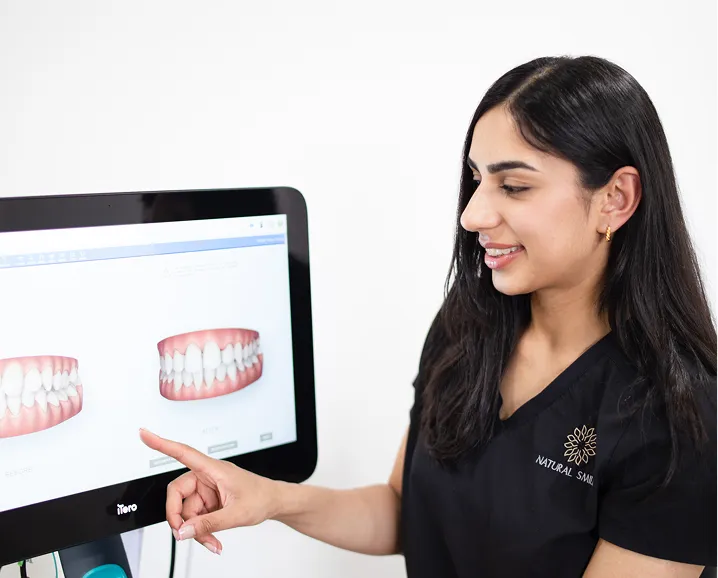

3D diagnostic imaging
Available if needed
Fully private care
The treatment with the worst reputation in dentistry
Ask most people what they imagine when they hear "root canal" and you'll get the same answer: discomfort, dread, and a story their uncle once told them. Here's the truth - with modern techniques, anaesthetic and technology, a root canal is closer in feeling to having a filling than the horror story it used to be. And it does something remarkable: it saves a tooth that would otherwise need to come out.
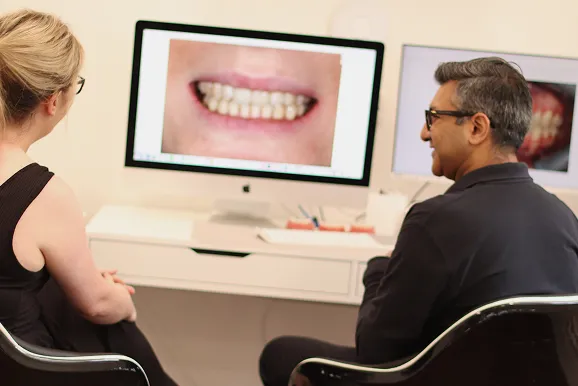
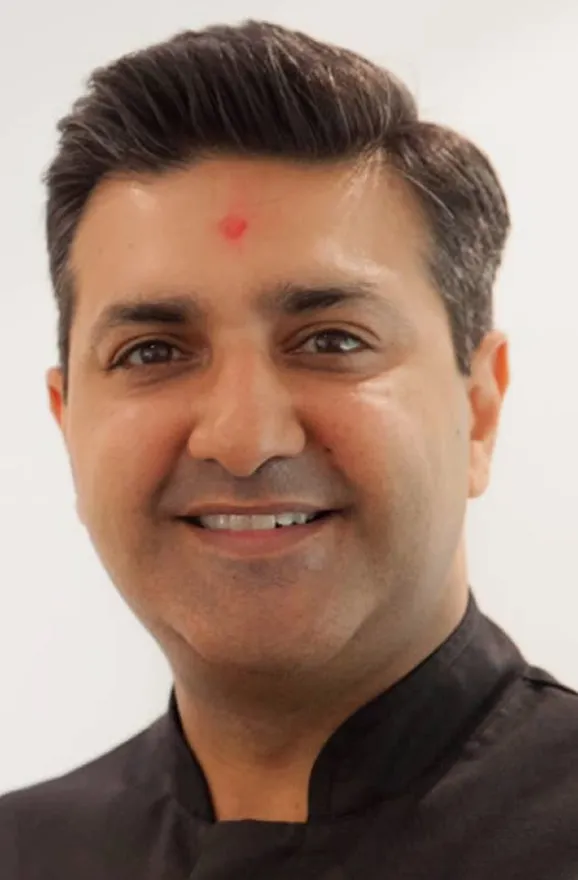
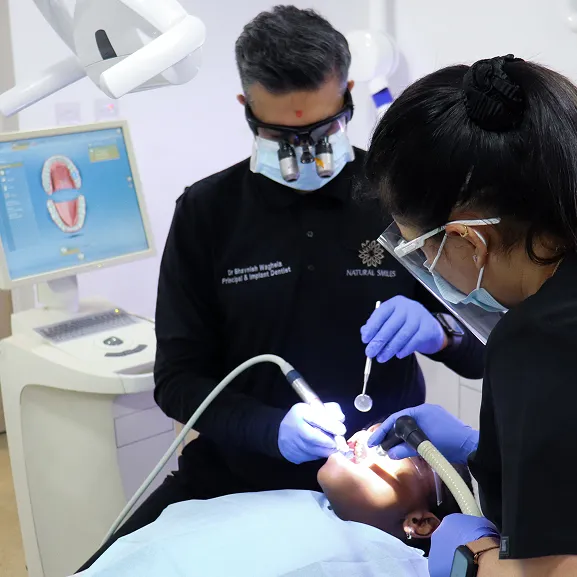
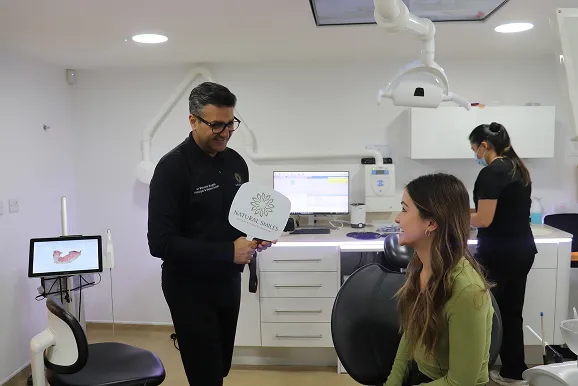
Trusted by our patients

Professional treatment with Dr Bal, she is amazing with gentle touch and very good contact and communication during the visit. Had an emergency appointment and also crown appointment in the past.
After years of having an uneven smile and consultations with different dental practices, I came across Natural smiles. Dr Waghela went through the options I had, took into consideration how I felt about each treatment option and was able to recommend which would work best for me. The treatment was exactly how he explained and immediately I could see results. Overall I am extremely happy with the result and it turned out exactly how I wanted. I would definitely recommend anyone to visit this practice, as all staff are extremely friendly and attentive. Dr Waghela took the time to understand what my issue was and really made a difference!
Amazing as always, Bhavnish is a brilliant dentist, I would never want to see anyone else.
Dr Anmol is very calm and reassuring… have never liked going to the dentist but don't mind going to Natural Smiles…
I had a crown done by Dr. Bhavnish, and I am extremely happy with the results. He uses all modern technology and is very skilled. My teeth were in very bad condition, but everything was fixed perfectly and professionally. The entire team is amazing, kind, and helpful. I highly recommend Dr. Bhavnish and his clinic!
Would highly recommend Natural Smiles they are brilliant. All staff and Anmol Bal have been superb from start to finish. I enjoy visiting as the practice always feels so positive and welcoming. Thank you.
Had a great experience! Everybody was super friendly and I was in a lot of pain following my wisdom tooth dramas but thanks to these guys I was fine within a day or so! Thank you for the super fast service and availability and continue being awesome!
Thank you to Dr Anmol Bal for my Invisalign treatment. Being a person who feels so uncomfortable to smile she's made me feel confident again. As I approach the end of my Invisalign treatment, I am really happy with how the results are turning out. Thank you once again to Anmol and Natural Smiles for their fantastic service! Definitely recommend this practice to all!
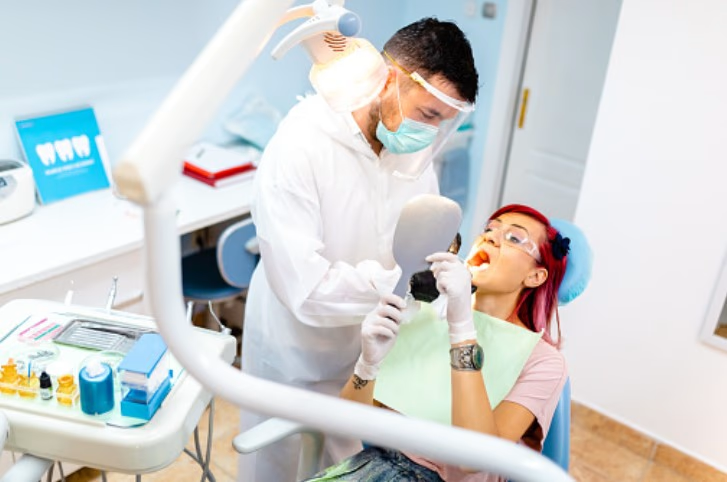
What is root canal treatment?
Inside every tooth is a soft tissue called the pulp - a small mix of nerves and blood vessels that runs from the crown down into the roots. When that pulp becomes infected or inflamed (usually from deep decay, a crack, or repeated dental work), the tooth often becomes painful and the infection can spread.
Root canal treatment removes the damaged pulp, cleans and disinfects the inside of the tooth, and seals it - keeping your natural tooth in place and stopping the infection in its tracks.
Signs you might need a root canal
Every appointment is tailored to you - your gum health, your habits, and what your teeth actually need that day.
-1920.webp)

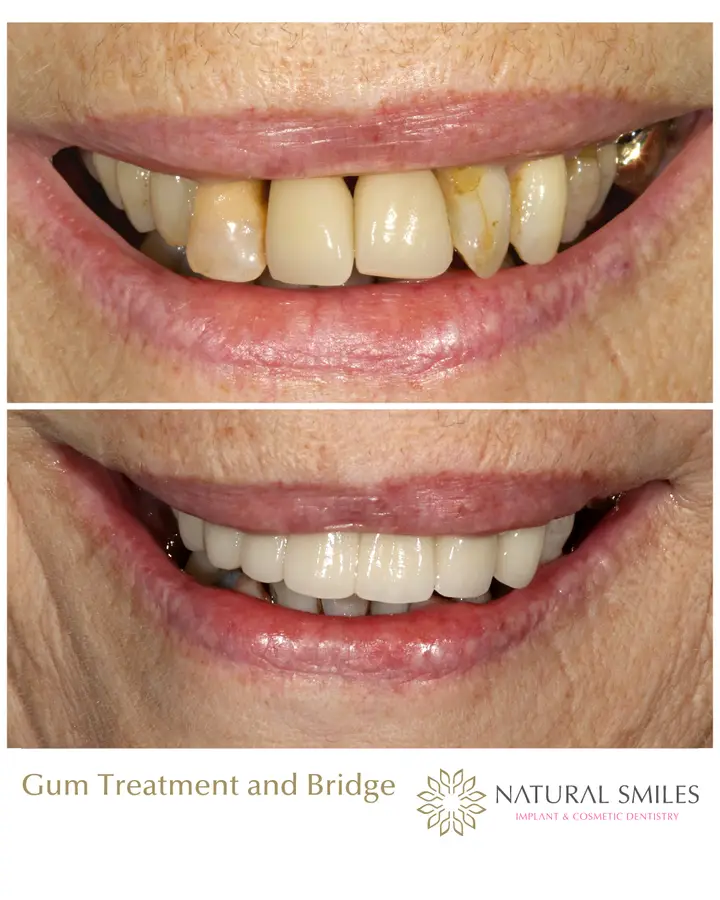
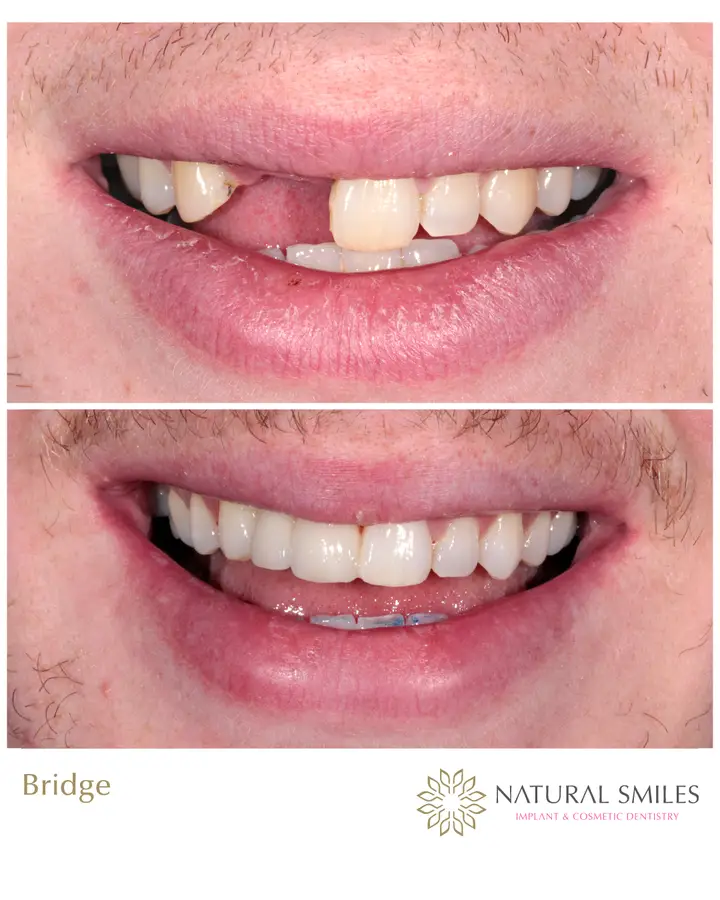
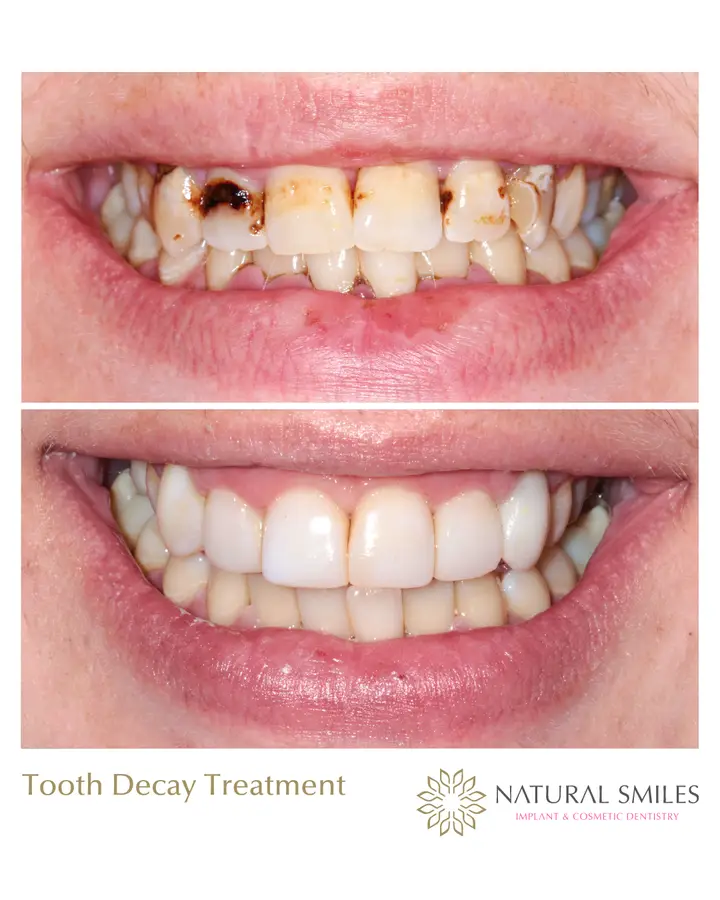
Real stories from patients who wanted to feel like themselves again
Why saving your tooth matters
Losing a tooth might seem like the simpler option in the moment - but the long-term costs add up quickly. Adjacent teeth start to drift into the gap. The opposing tooth can over-erupt. The bone underneath begins to shrink. And the cost of replacing the missing tooth (with a bridge or a dental implant) is usually higher than treating the original tooth in the first place.
That's why we'll always try to save your natural tooth where it's clinically the right call. If saving it isn't possible, we'll be honest about that too - and walk you through alternatives like dental implants or bridges.
What treatment actually feels like
Most patients walk out saying "is that really it?" Here's what to expect on the day.
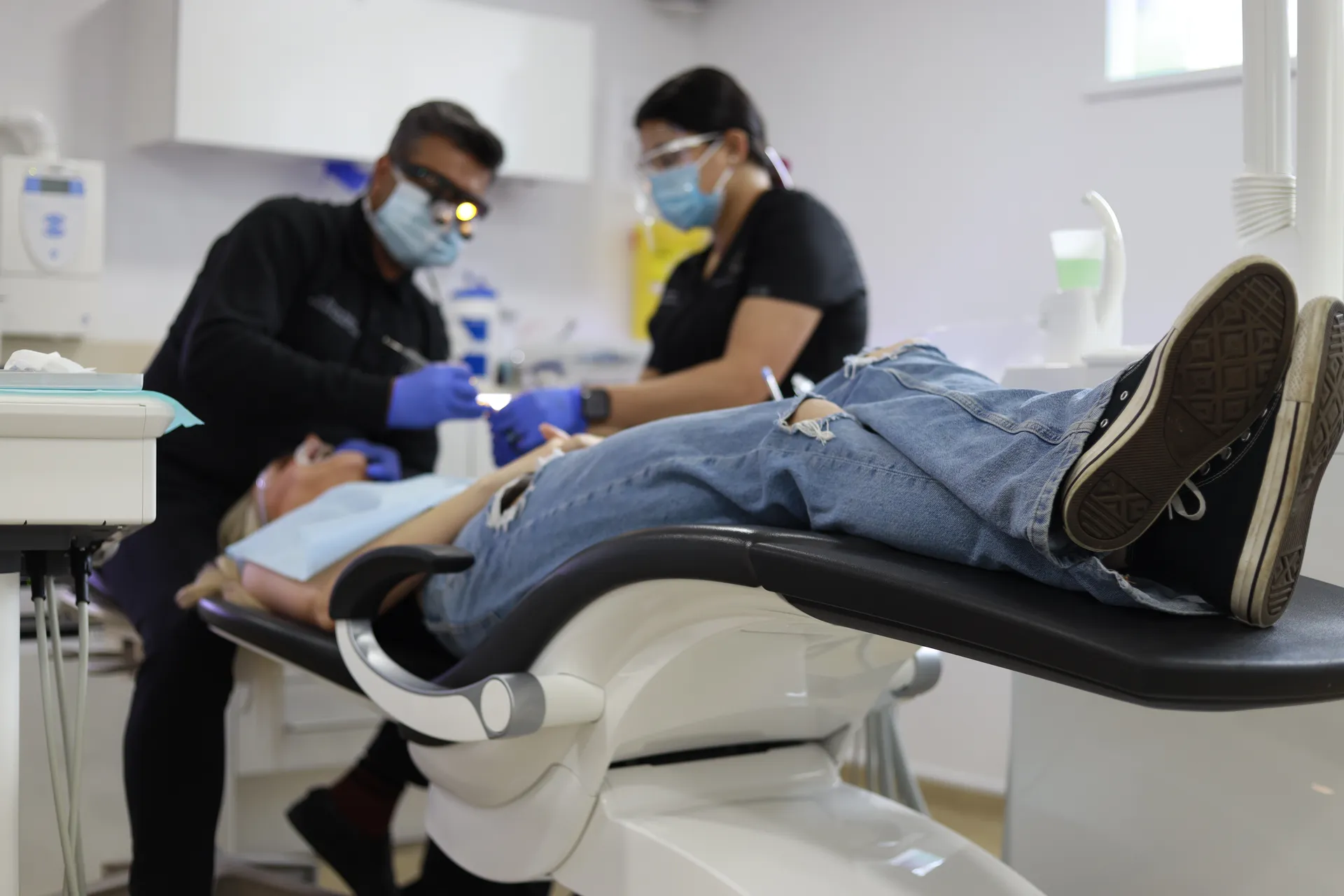
1. Numbing the area
Local anaesthetic so you won't feel a thing. We always check you're properly comfortable before any work begins.
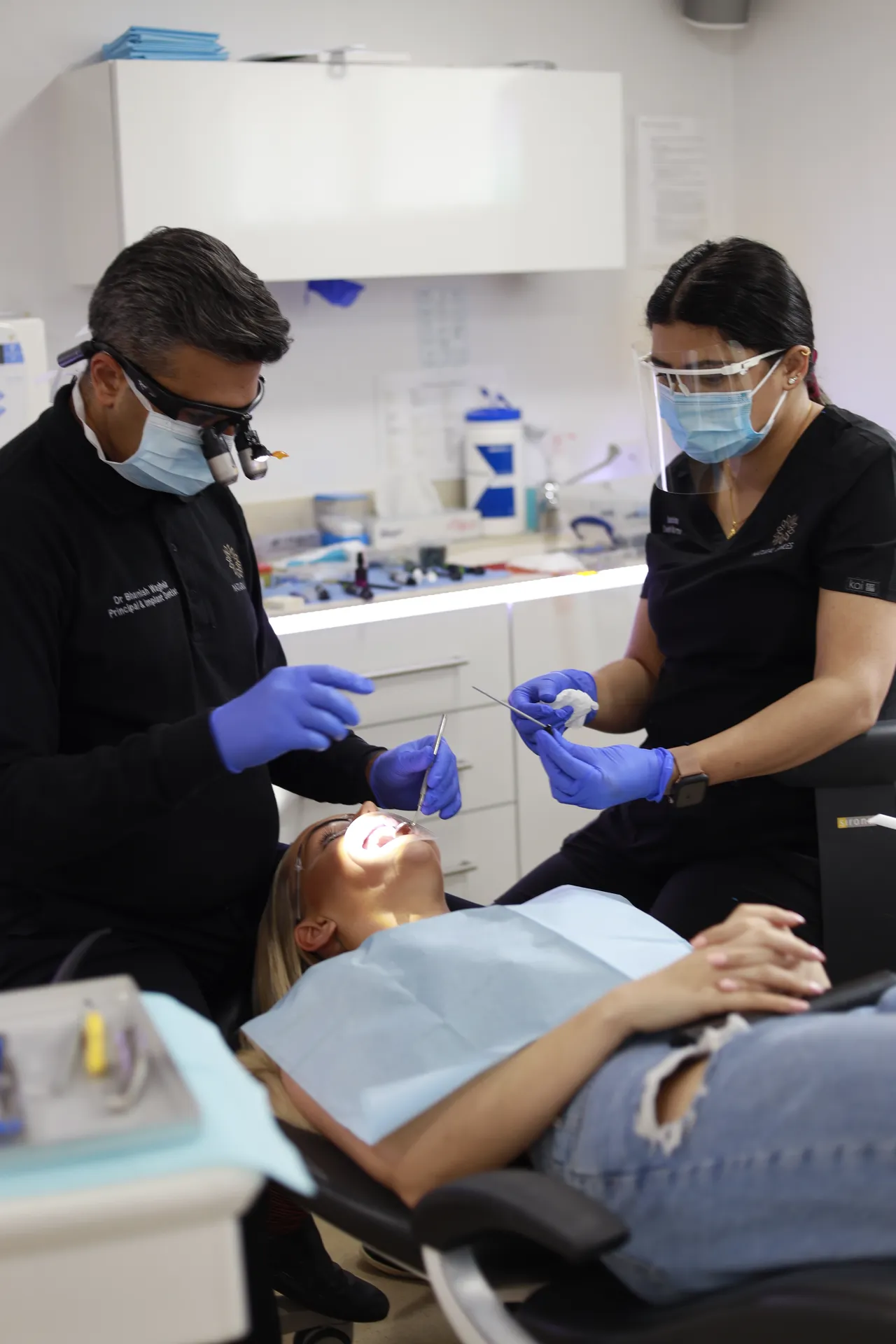
2. Accessing the tooth
A small opening is made in the top of the tooth to reach the infected pulp inside.
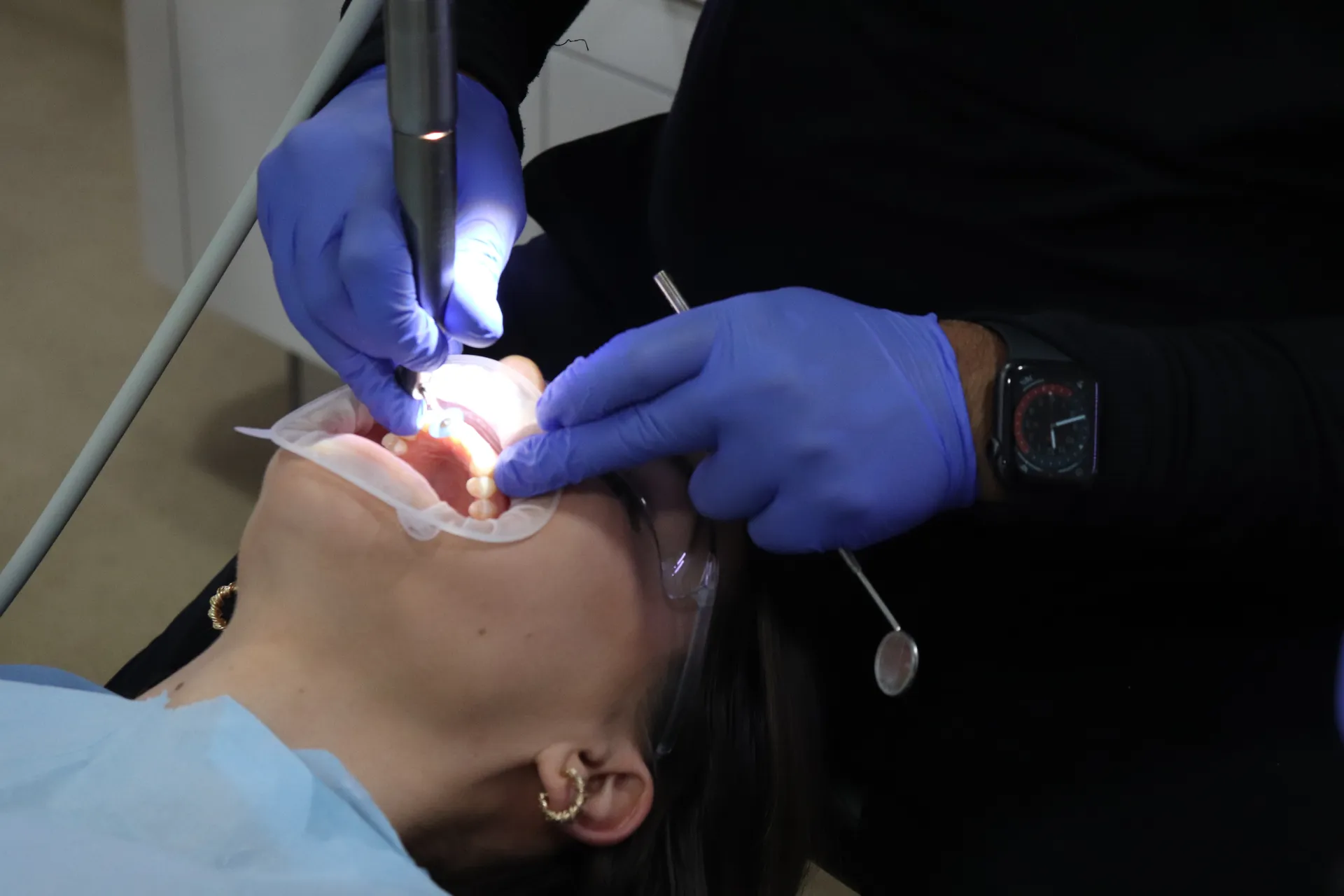
3. Cleaning the canals
Using fine instruments and disinfecting solutions, the infected tissue is removed and the canals are thoroughly cleaned.
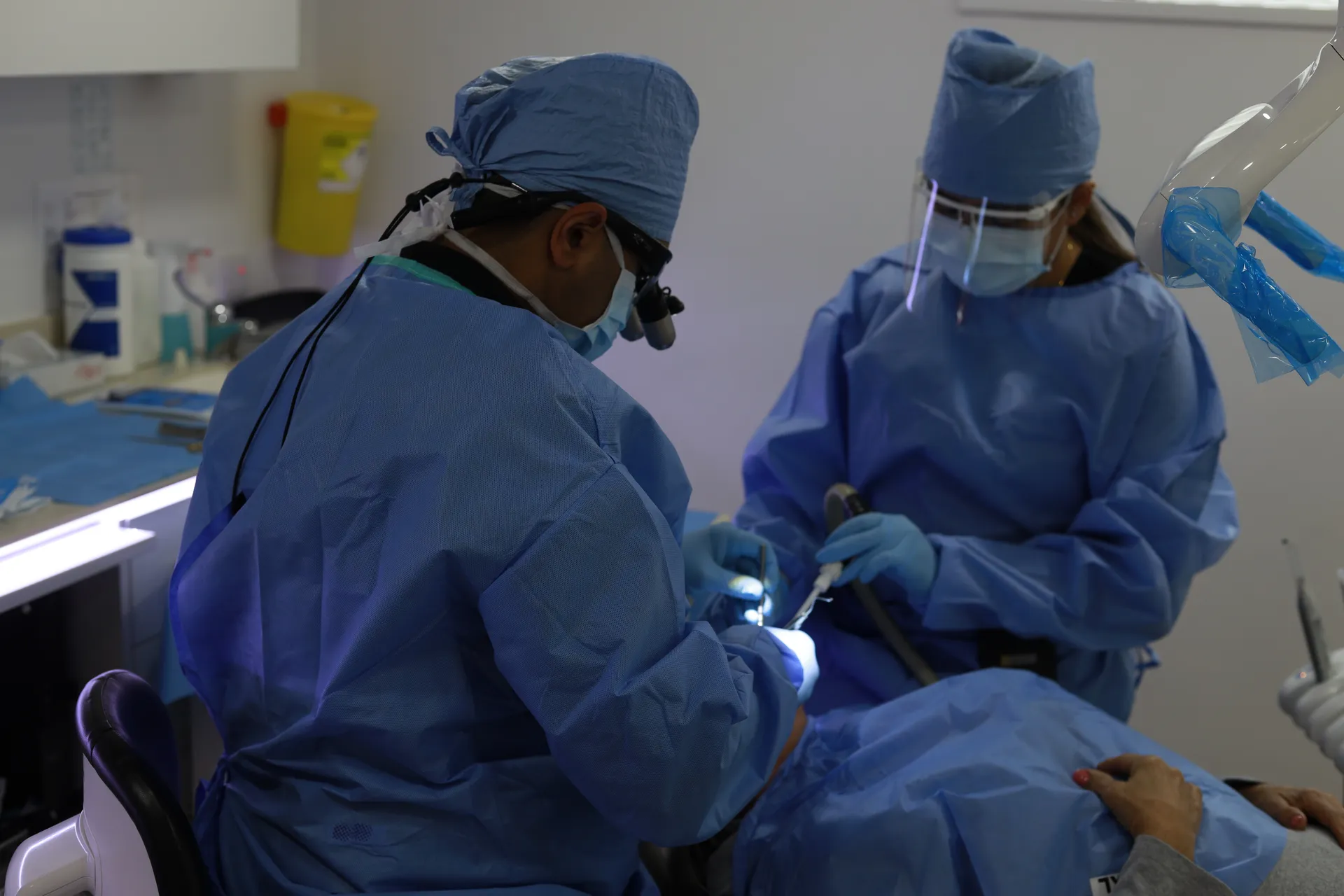
4. Sealing the tooth
Once everything is clean, the canals are filled with a sterile material and the tooth is sealed to prevent re-infection.

5. Protecting the tooth long-term
A root-filled tooth is usually best protected with a same-day crown, which restores full strength and function for years to come.
How long does it take?
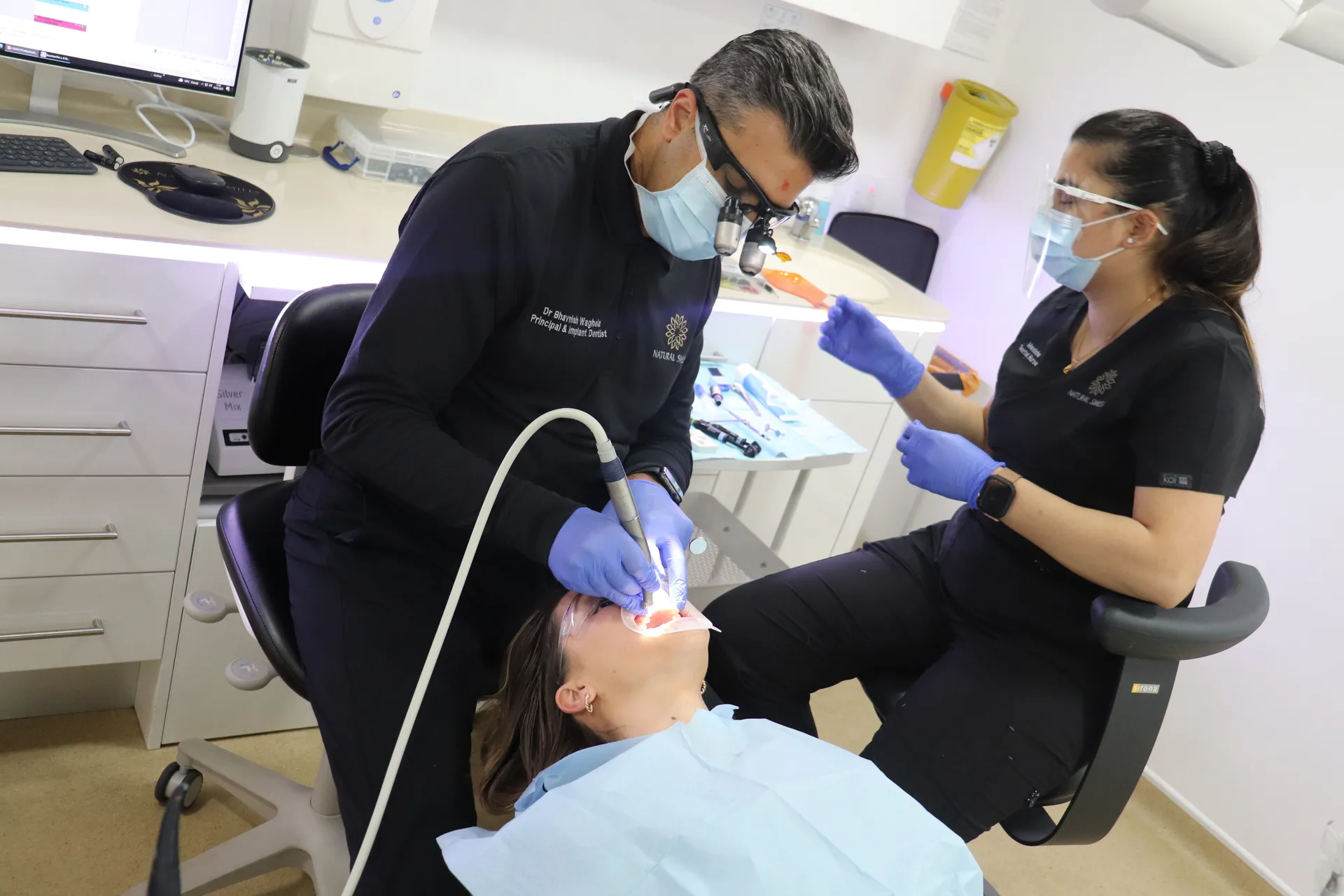
Most root canals can be completed in one or two visits, typically 60 to 90 minutes per visit. More complex cases - usually back molars with multiple canals - may need a little longer or an extra appointment. We'll give you a clear time estimate at your assessment so there are no surprises.
Nervous about treatment? You're not alone
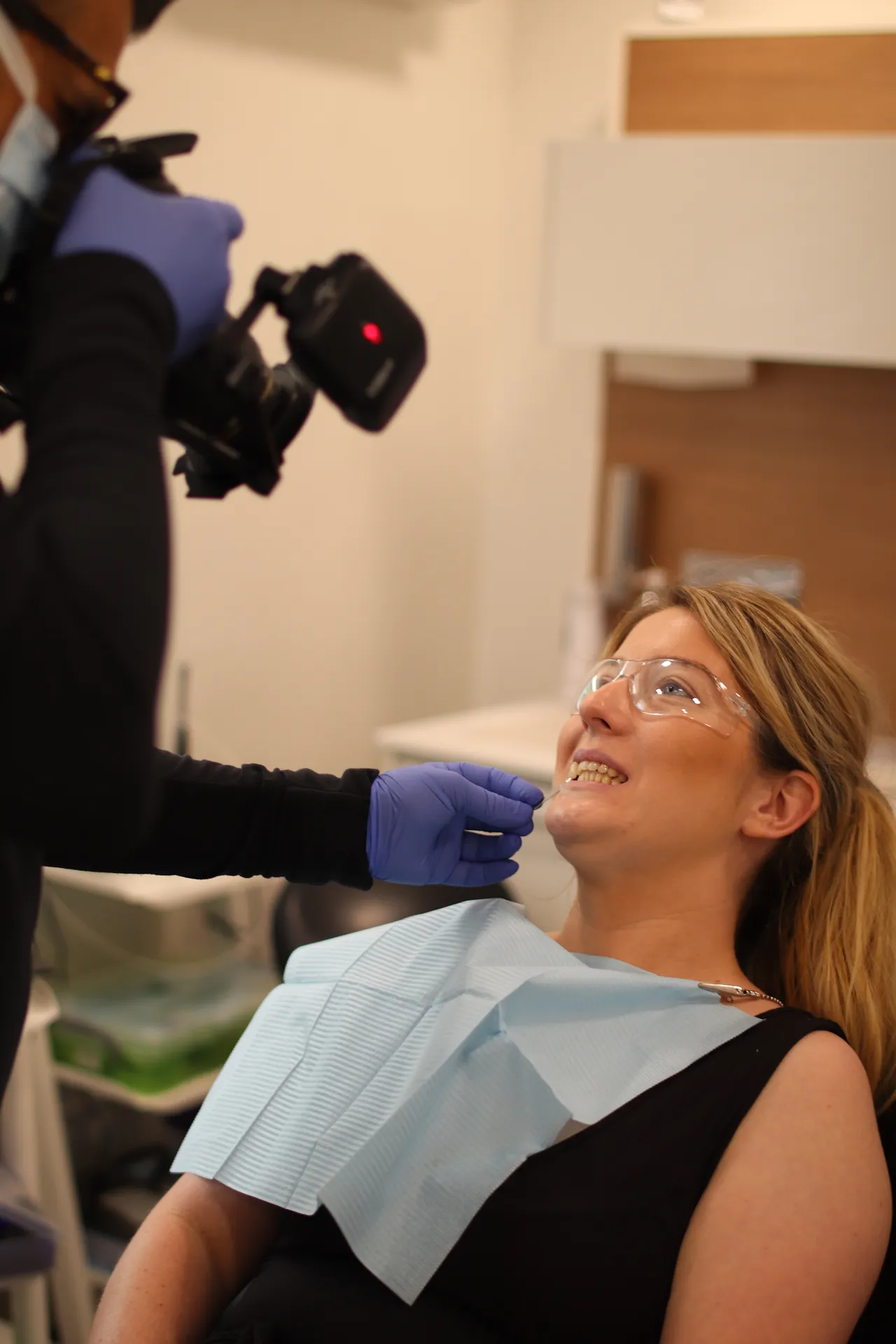
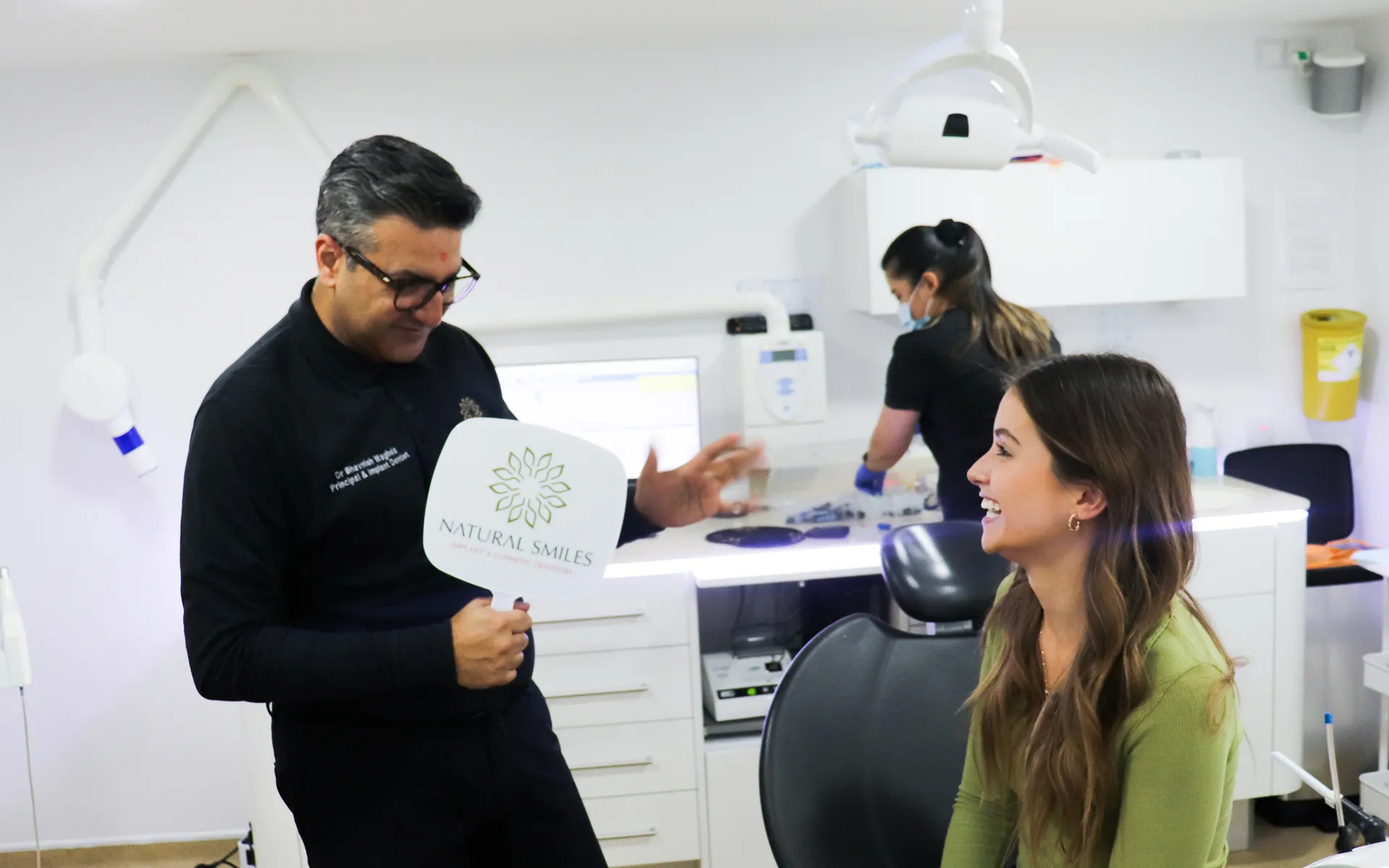
Root canal treatment carries more anxiety than almost any other dental procedure - usually based on outdated stories rather than the experience itself. If you're feeling worried, we offer IV sedation for patients who'd like to feel completely relaxed during their appointment. It's typically reserved for treatment plans over £2,000 or for patients who genuinely need it to get the work done. Just tell us when you book and we'll talk you through your options.
Why choose Natural Smiles for your root canal
Root canals are highly technical work - and the quality of the treatment makes the difference between a tooth that lasts five years and one that lasts thirty.
25 years as a fully private practice with experience across complex restorative work
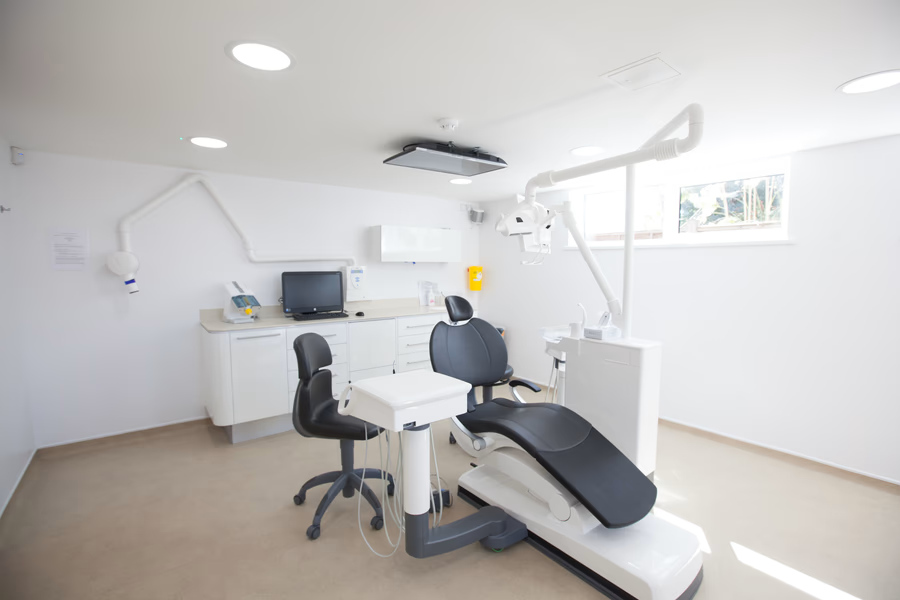
Advanced imaging including in-house CBCT for accurate diagnosis and treatment planning
Modern endodontic techniques with fine rotary instruments and digital workflow
CEREC technology on site for protective crowns on the same day if needed
IV sedation available for nervous patients (eligibility applies)
An onsite mini dental lab for fast turnaround on follow-up work
Free parking and easy motorway access from across South Leicester
Aftercare - what to expect once you're home
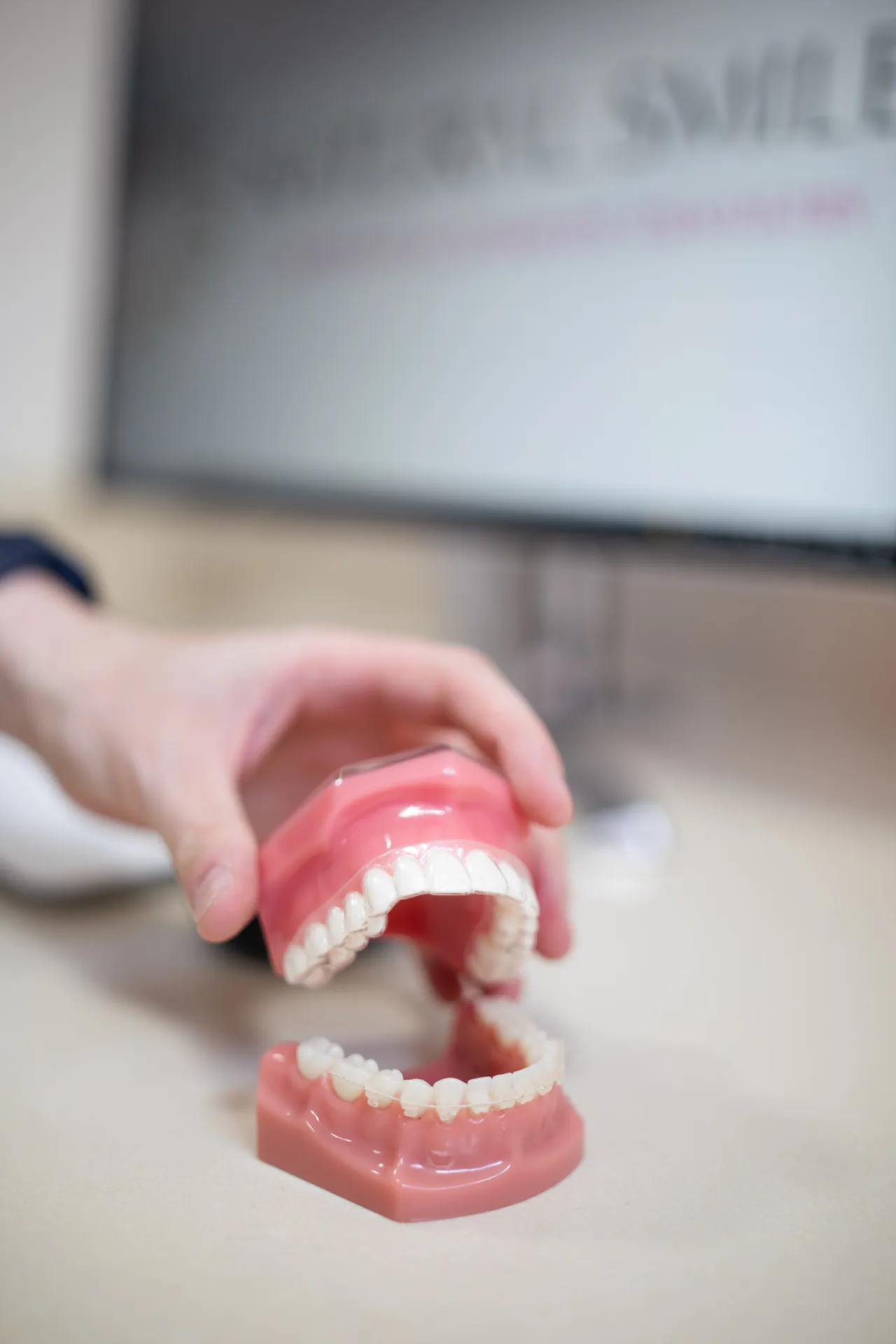
Most people get back to normal life the same day. Some mild tenderness around the tooth for a few days is normal - usually managed easily with over-the-counter painkillers like ibuprofen. We'll always send you home with clear aftercare instructions and you're welcome to call us anytime if anything doesn't feel right.



How much does a root canal cost in Leicester?
Root canal pricing depends on which tooth is involved and how many canals it has. We'll always give you a clear written quote after assessment - no surprises, no upselling. Finance is available through V12, including 0% over 12 months with no deposit, to help spread the cost where needed.
Treatment
Non-members
fee
from
Members
from
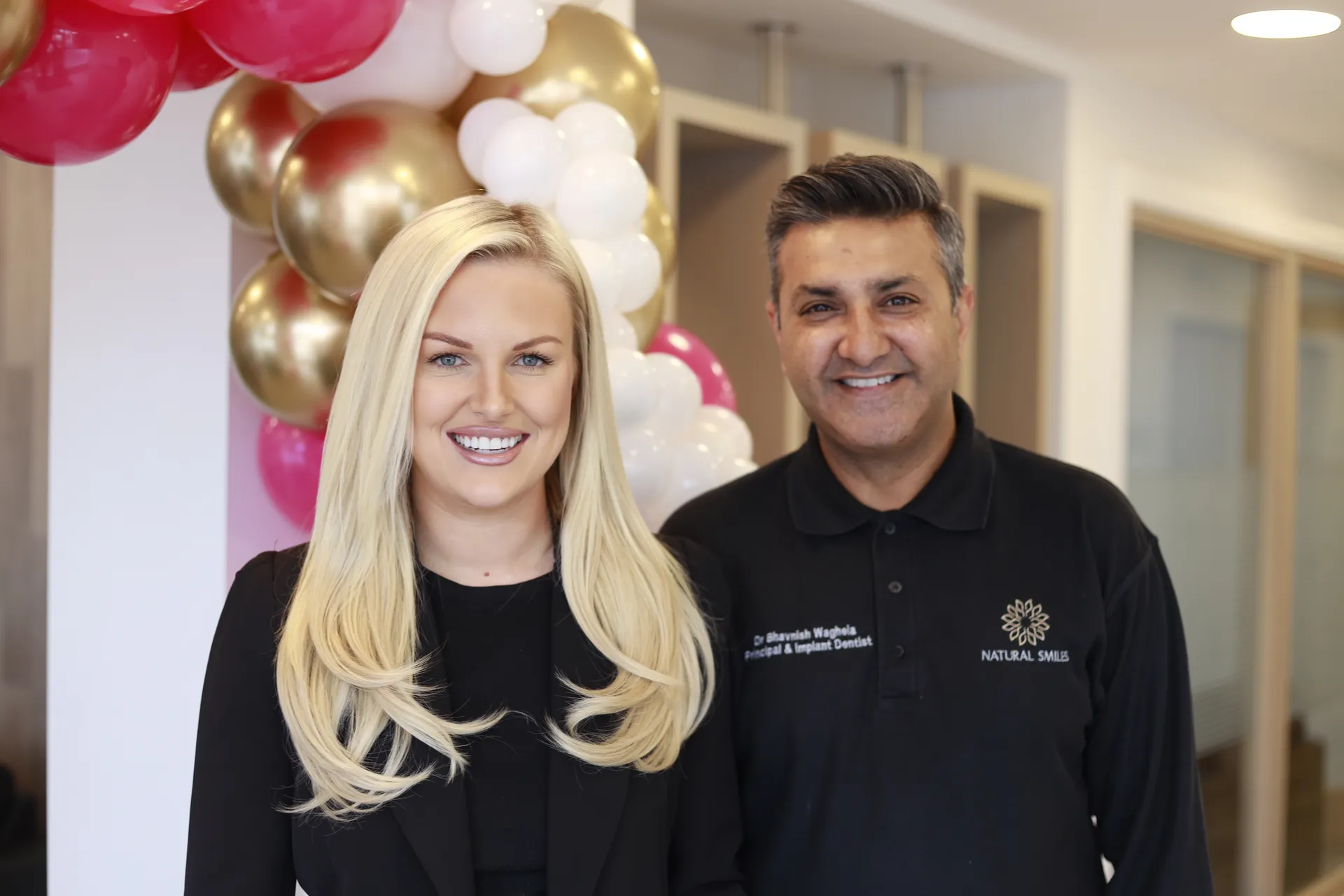
Looking after patients in Wigston, Oadby and beyond
We see patients from across South Leicester, Knighton, Stoneygate, Great Glen, Kibworth, Market Harborough and Hinckley - many of them referred from other dentists for more complex endodontic work. If you've been told you need a root canal and you'd like a second opinion or a more comfortable experience, you're welcome to get in touch.


.svg%201.png)

Frequently asked questions
Is a root canal really not painful?
With modern anaesthetic, the treatment itself is typically very comfortable - most patients say it feels similar to having a filling done. The discomfort people associate with root canals usually comes from the infection beforehand, not the treatment itself. Once the source of infection is removed, the relief is often dramatic.
How long will my tooth last after a root canal?
With a good seal and a protective crown, a root-treated tooth can last decades - often for the rest of your life. Looking after it with regular check-ups, hygiene visits and good home care is the key.
Do I need a crown after root canal treatment?
Usually, yes - especially for back teeth that take heavy chewing forces. A root-treated tooth becomes more brittle over time and is more prone to fracture without proper protection. Our CEREC technology means we can often place a crown in a single visit.
What if I leave the tooth untreated?
The infection won't resolve on its own. Left alone, it can spread into surrounding bone, cause an abscess, and eventually mean the tooth has to come out. Treating it early is almost always the easier, less expensive option.
Are root canals always successful?
Modern root canal treatment has a very high success rate - typically around 90-95% for straightforward cases. Success depends on a good diagnosis, careful technique, and protecting the tooth afterwards with a well-fitted restoration.
Can I drive home after my appointment?
Yes, if you've had a standard root canal under local anaesthetic. If you've chosen IV sedation, you'll need someone to bring you and take you home - we'll go through the details when you book.
Will my tooth look different afterwards?
Most root-treated teeth look completely normal once restored - especially when protected with a tooth-coloured crown. If a tooth has darkened due to internal staining, we can also discuss internal whitening or cosmetic options.
Is a root canal really not painful?
With modern anaesthetic, the treatment itself is typically very comfortable - most patients say it feels similar to having a filling done. The discomfort people associate with root canals usually comes from the infection beforehand, not the treatment itself. Once the source of infection is removed, the relief is often dramatic.
How long will my tooth last after a root canal?
With a good seal and a protective crown, a root-treated tooth can last decades - often for the rest of your life. Looking after it with regular check-ups, hygiene visits and good home care is the key.
Do I need a crown after root canal treatment?
Usually, yes - especially for back teeth that take heavy chewing forces. A root-treated tooth becomes more brittle over time and is more prone to fracture without proper protection. Our CEREC technology means we can often place a crown in a single visit.
What if I leave the tooth untreated?
The infection won't resolve on its own. Left alone, it can spread into surrounding bone, cause an abscess, and eventually mean the tooth has to come out. Treating it early is almost always the easier, less expensive option.
Are root canals always successful?
Modern root canal treatment has a very high success rate - typically around 90-95% for straightforward cases. Success depends on a good diagnosis, careful technique, and protecting the tooth afterwards with a well-fitted restoration.
Can I drive home after my appointment?
Yes, if you've had a standard root canal under local anaesthetic. If you've chosen IV sedation, you'll need someone to bring you and take you home - we'll go through the details when you book.
Will my tooth look different afterwards?
Most root-treated teeth look completely normal once restored - especially when protected with a tooth-coloured crown. If a tooth has darkened due to internal staining, we can also discuss internal whitening or cosmetic options.
Save your tooth, ease the pain
Book an appointment for:
- Dental check-up
- Hygiene appointment
- Dental emergency
- Teeth whitening
Join our membership plan
Routine care made simple.
One affordable monthly cost covering your check-ups, hygiene appointments, X-rays and a meaningful discount on most other treatments.